Sweet Will
2026
Client
Time for Portfolio Shoot
Visual Concept
Sweet Will is a collaborative time-for-portfolio project developed with director Delphine Weber and DOP Sean Lovelace. Originally conceived as a music-driven performance, the project evolved into a narrative exploring grief, loss, and the fragile boundary between memory and imagination.
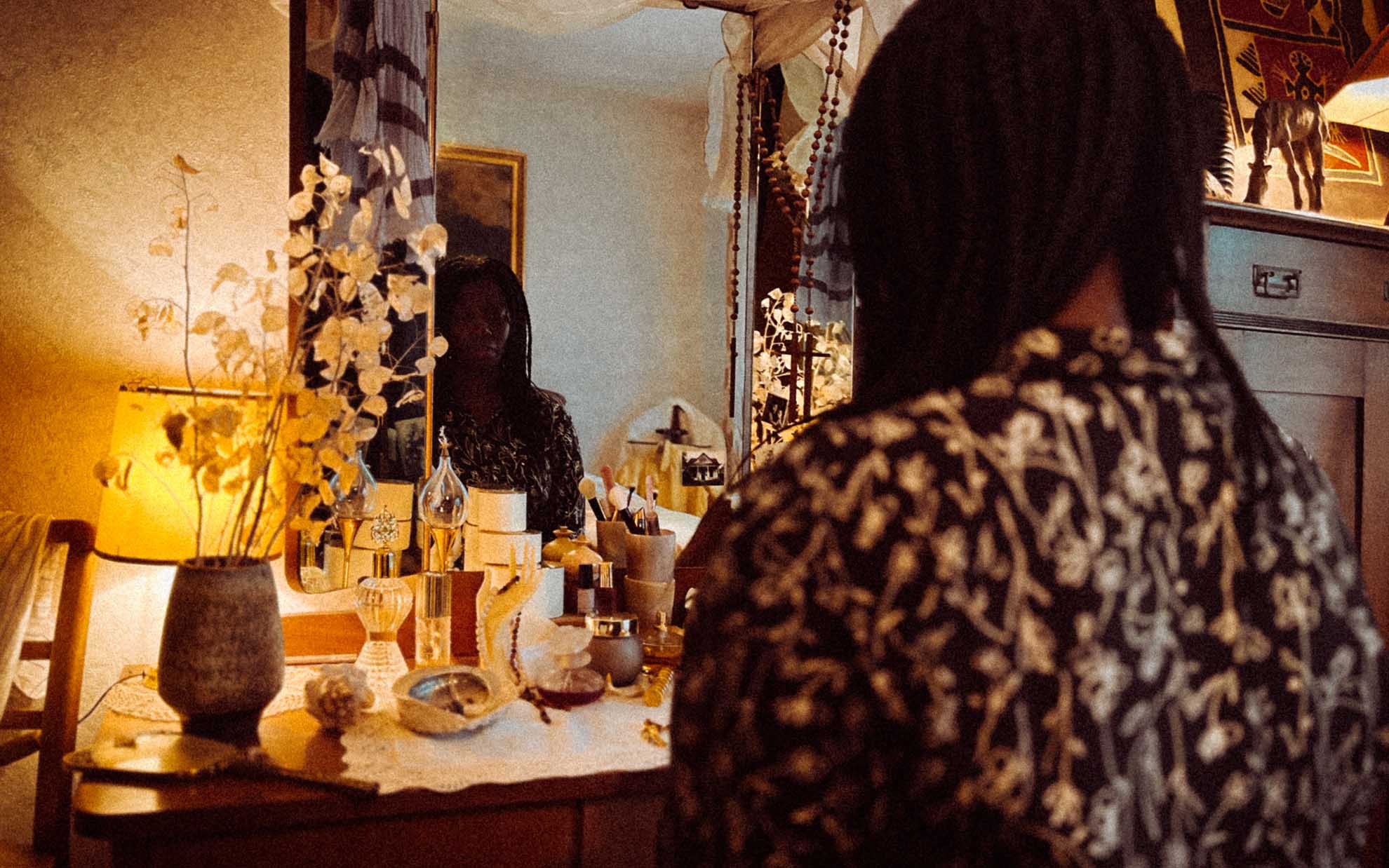
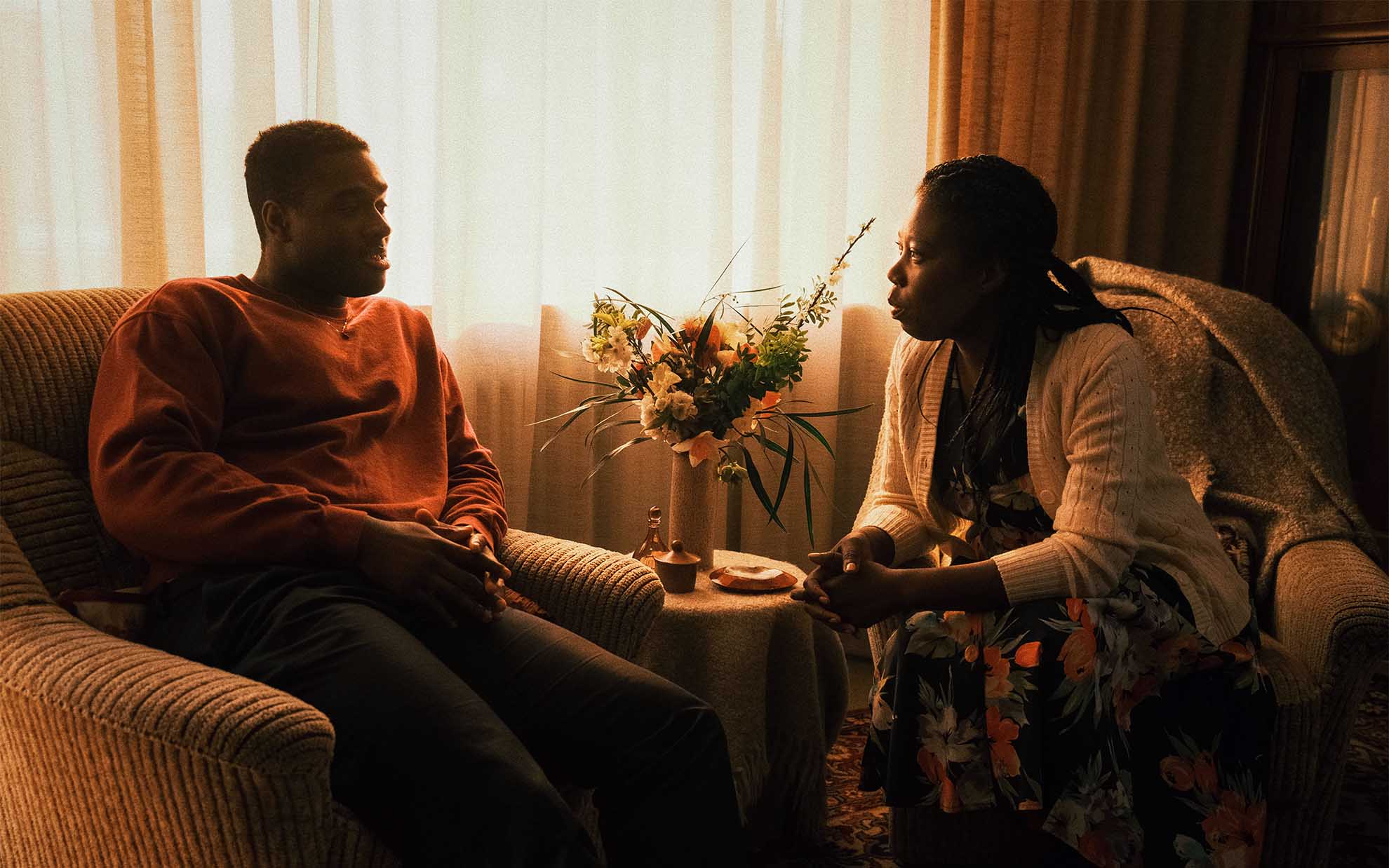
At its core, the film follows a mother unable to accept the death of her son. She retreats into a constructed inner world, where fragments of the past resurface through objects, spaces, and embodied memories. These elements act as emotional anchors — traces of a presence that can no longer be held, yet refuses to disappear.
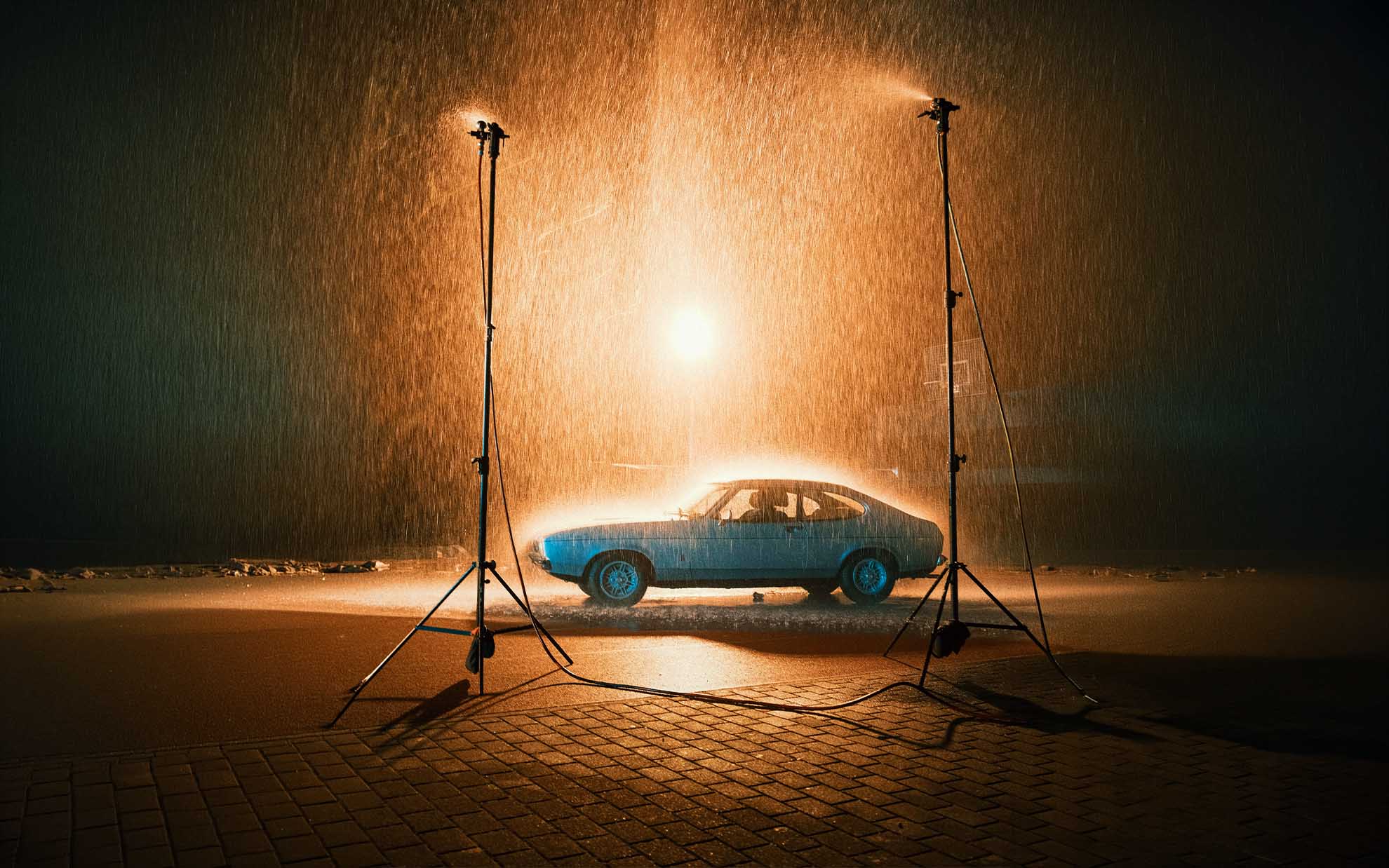
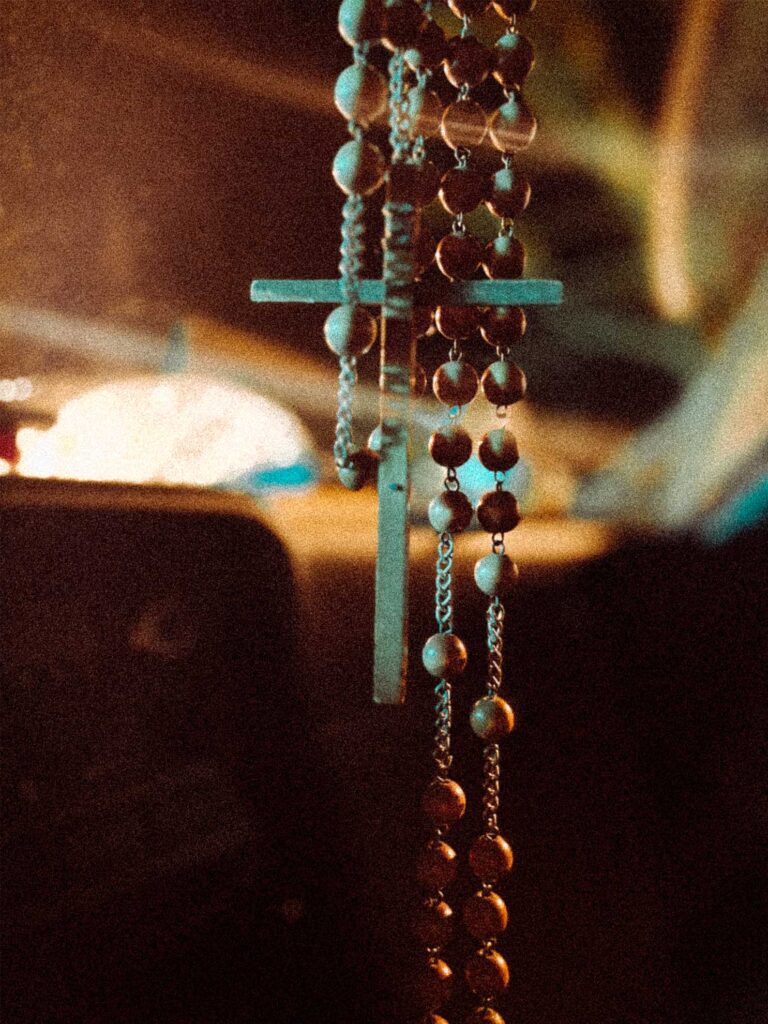
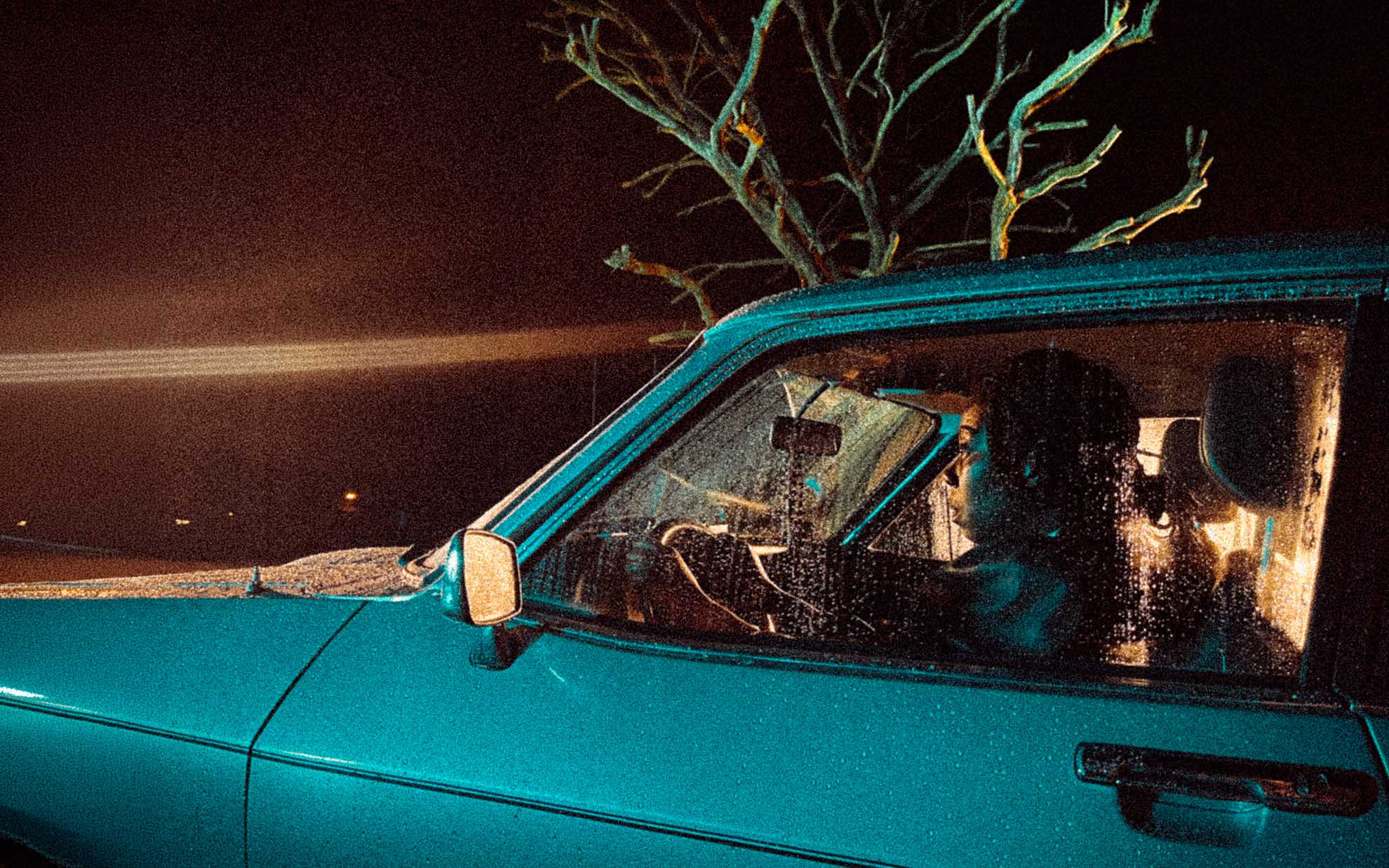
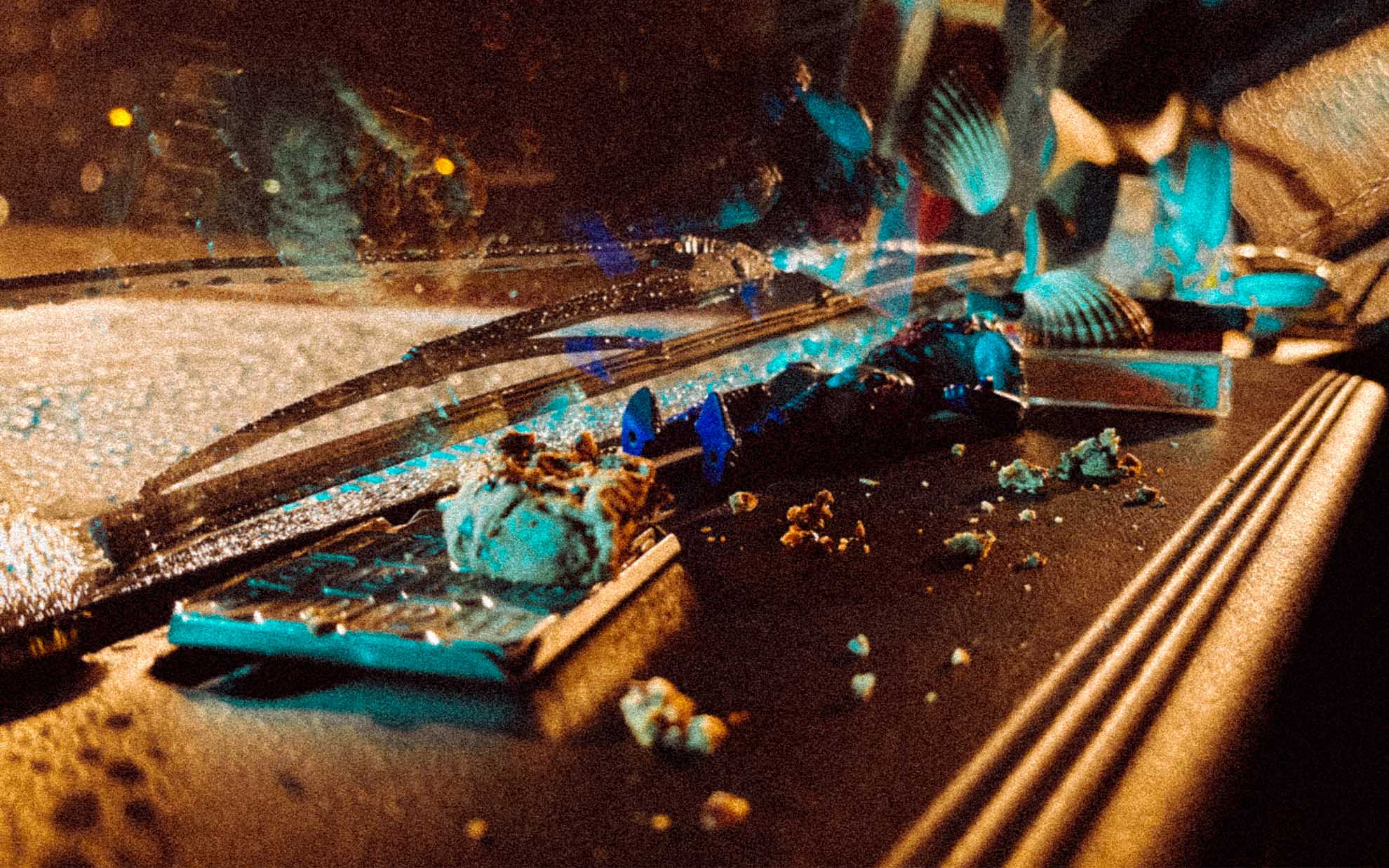
Visually, the project oscillates between a grounded reality and a dreamlike, reflective space. A rain-soaked car, a deserted basketball court, and neon-lit surfaces establish a cold, suspended present, while fluid movement and temporal shifts evoke the son’s presence within her imagination. The environment becomes an extension of her psychological state, where time collapses and past and present coexist.
Sweet Will explores the paradox of holding on and letting go, framing grief not as absence, but as a space filled with echoes — where acceptance emerges only through confrontation with what cannot be retained.
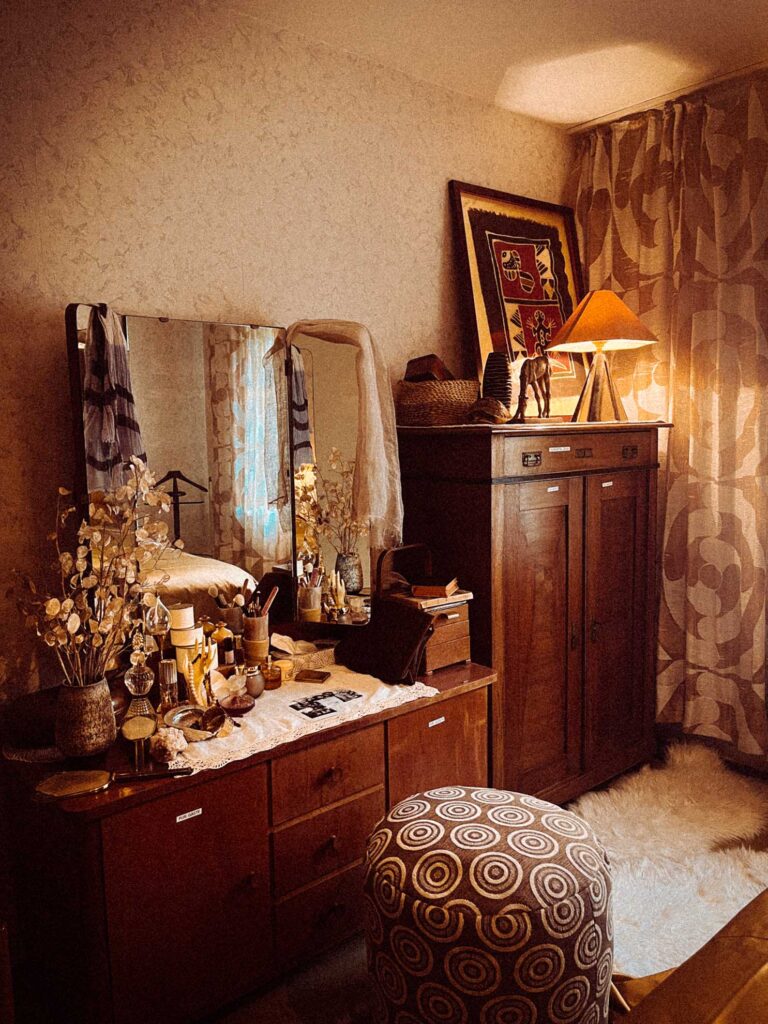

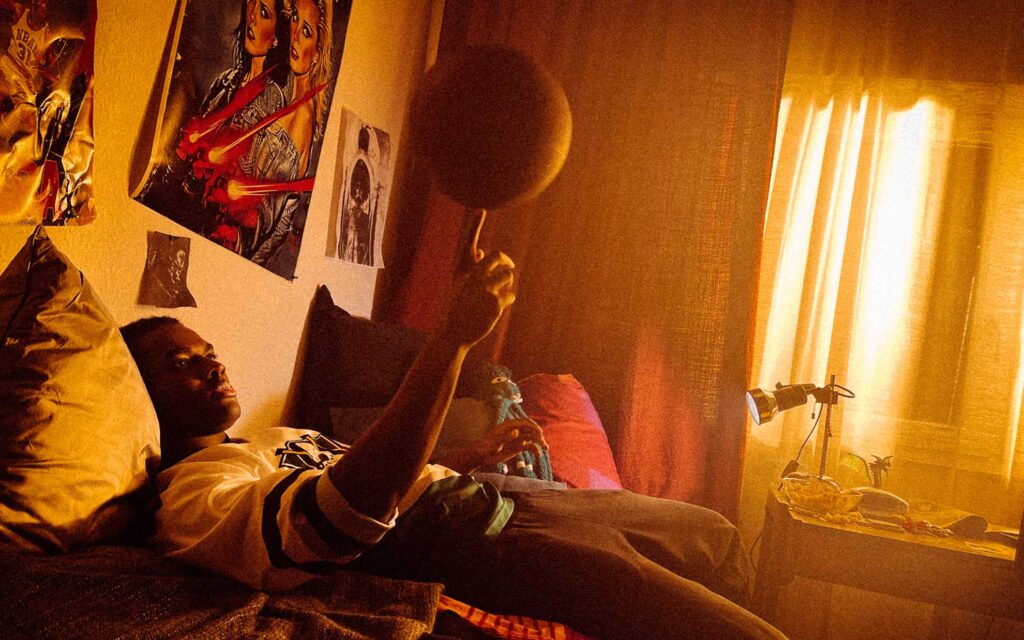
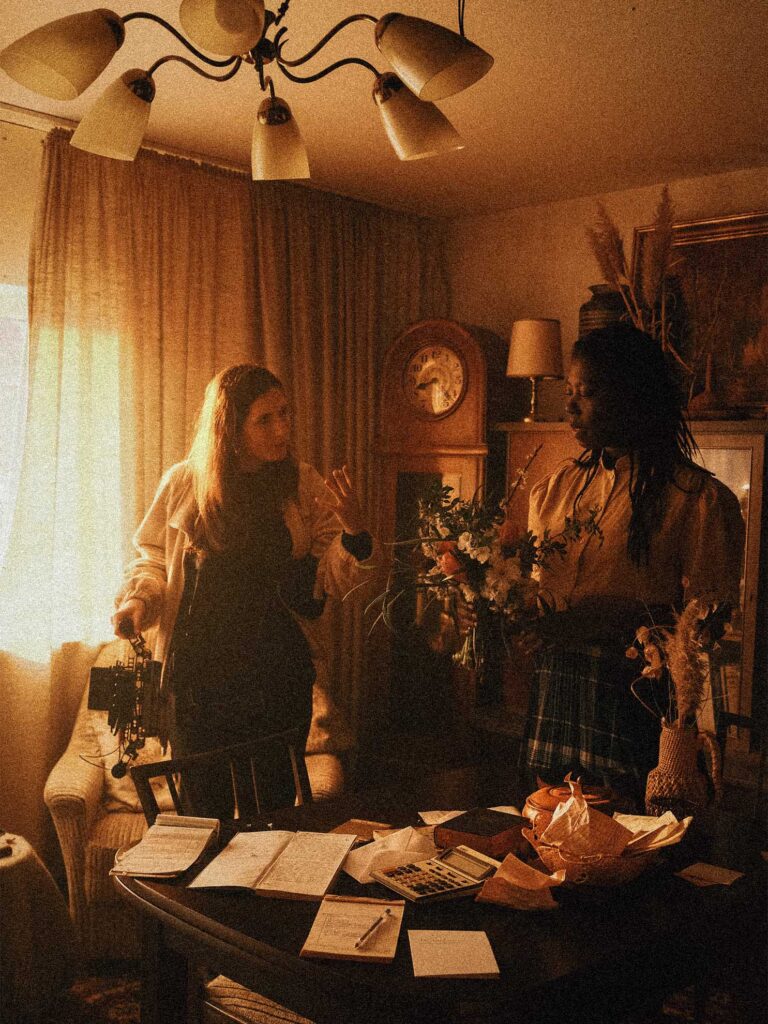
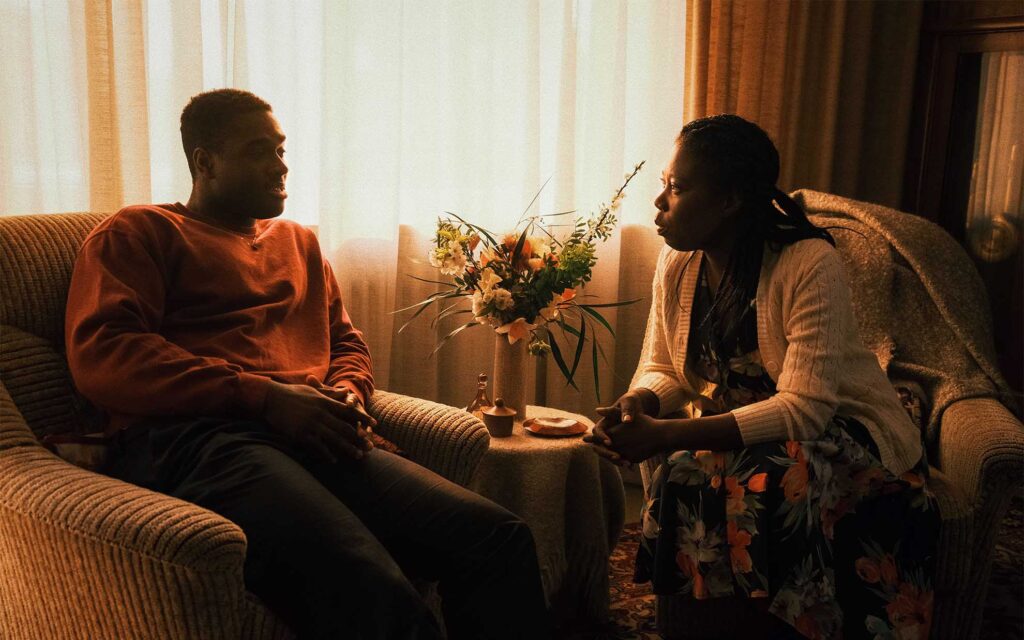
Set Decoration
— Props Concept
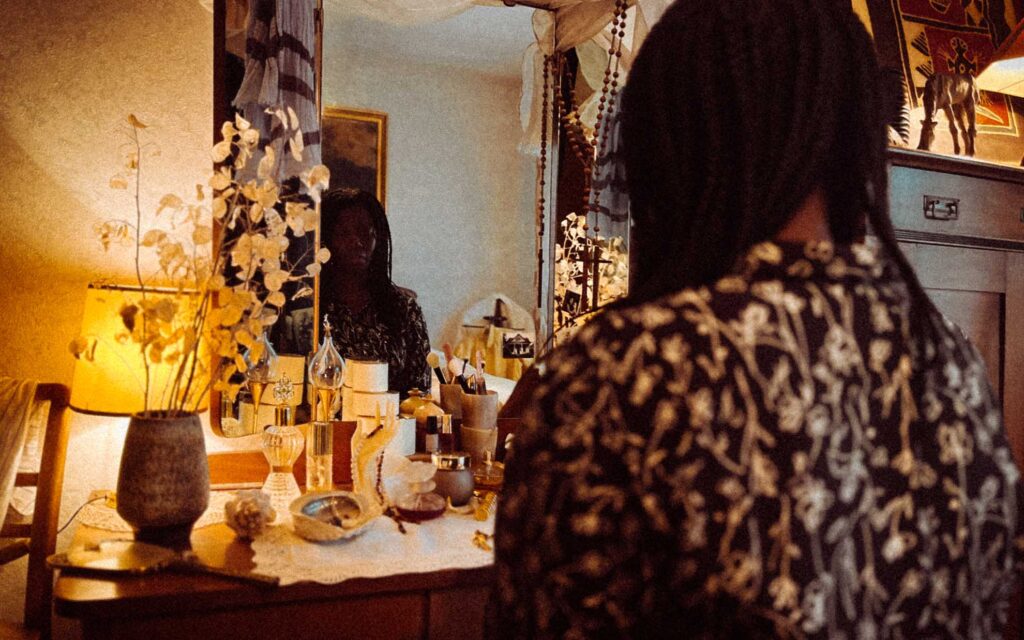
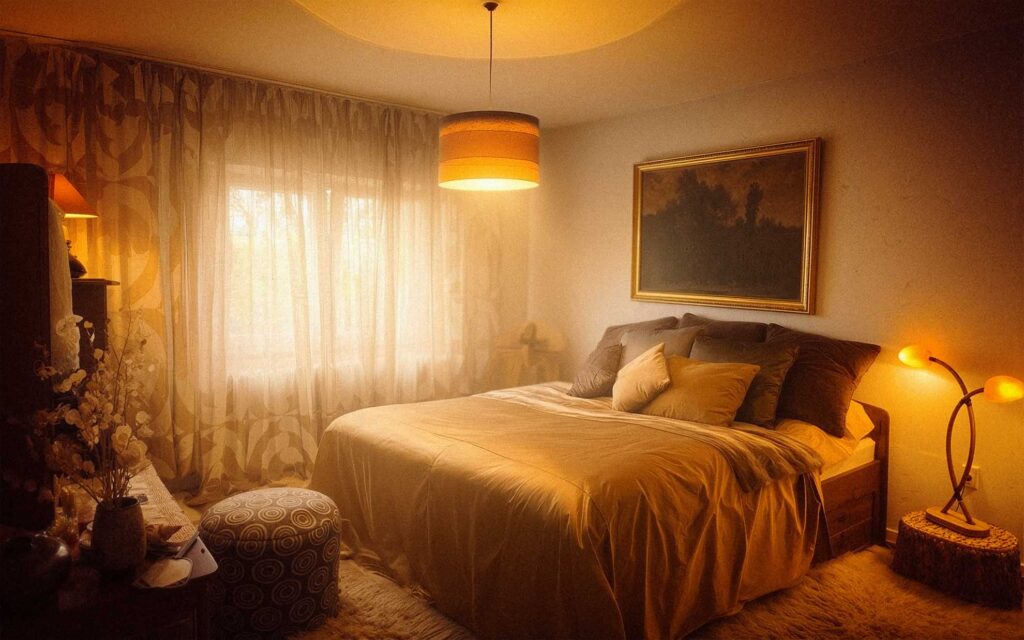
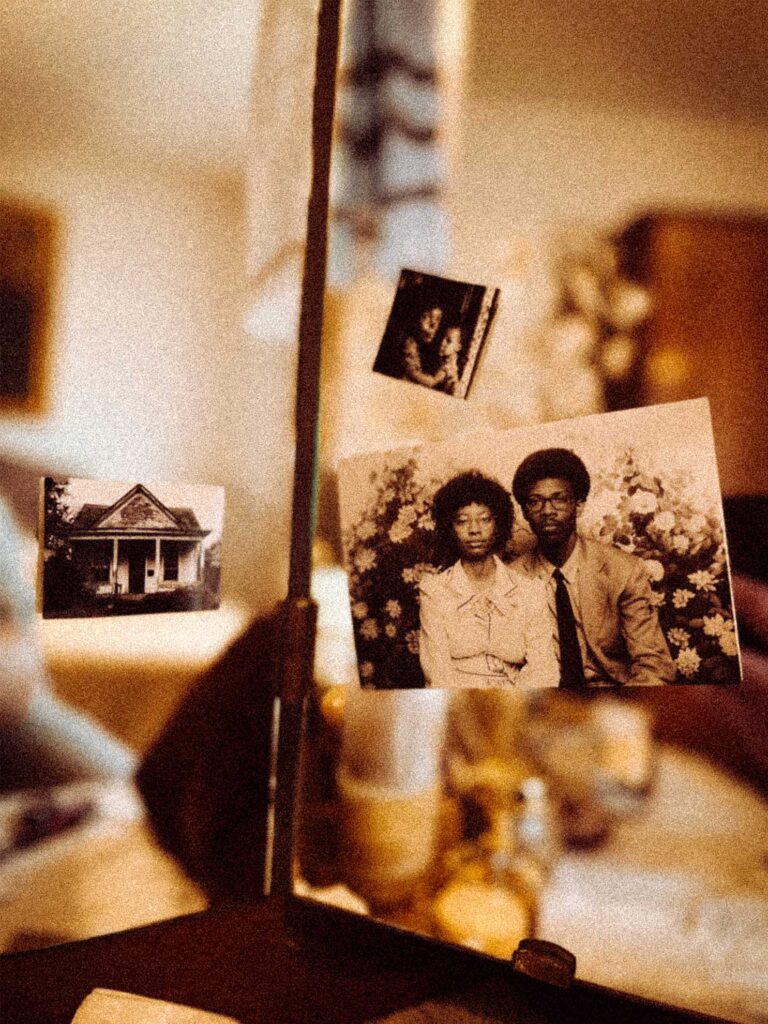
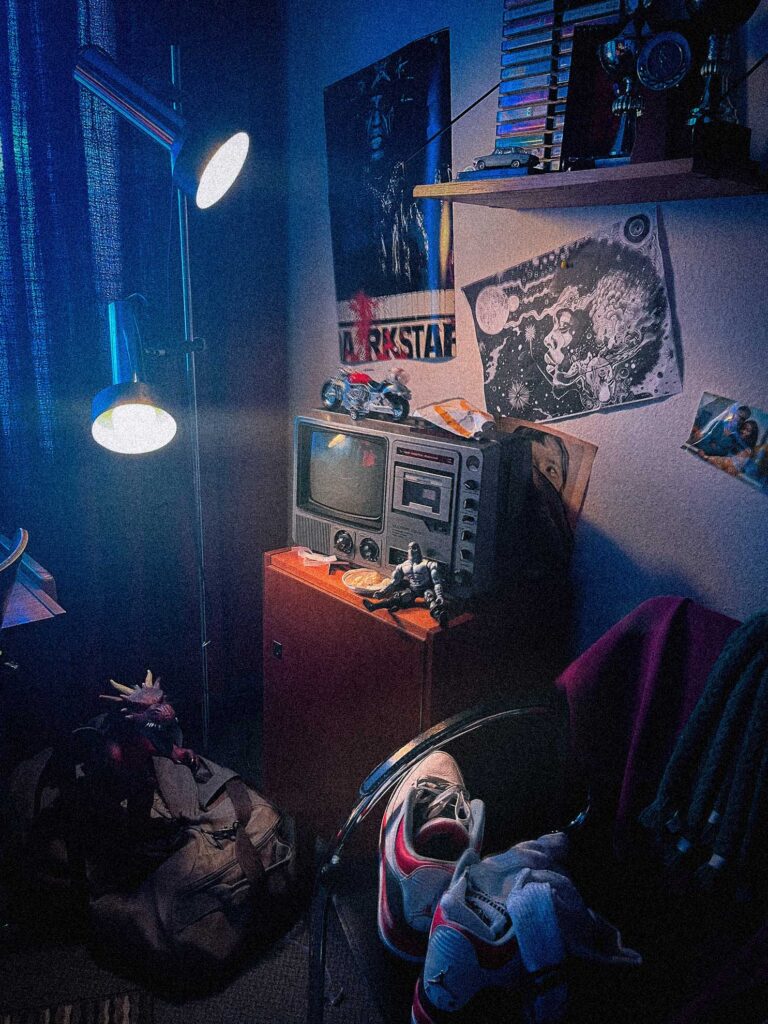
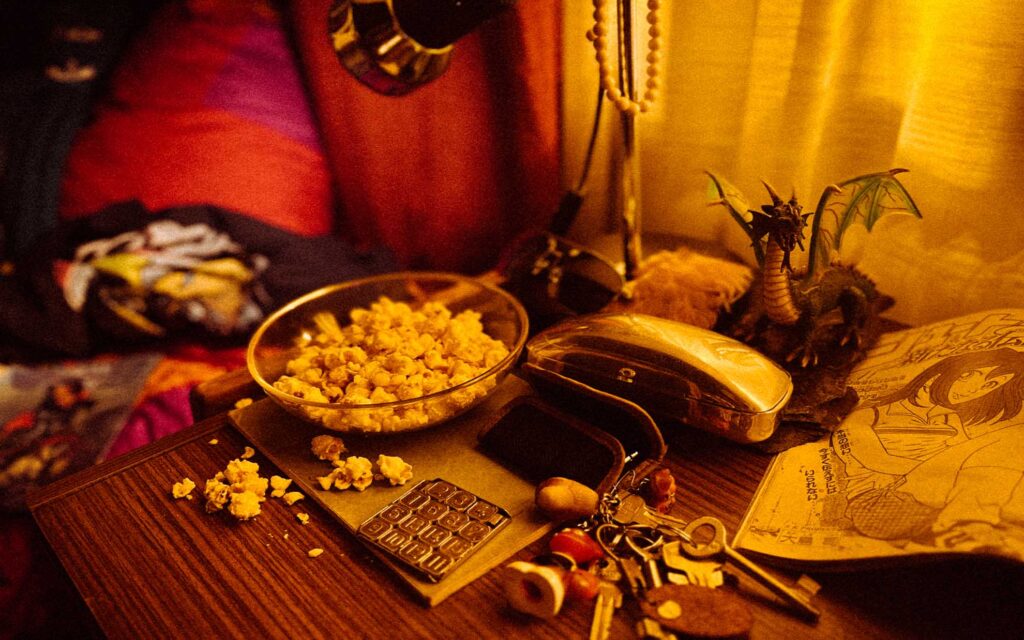
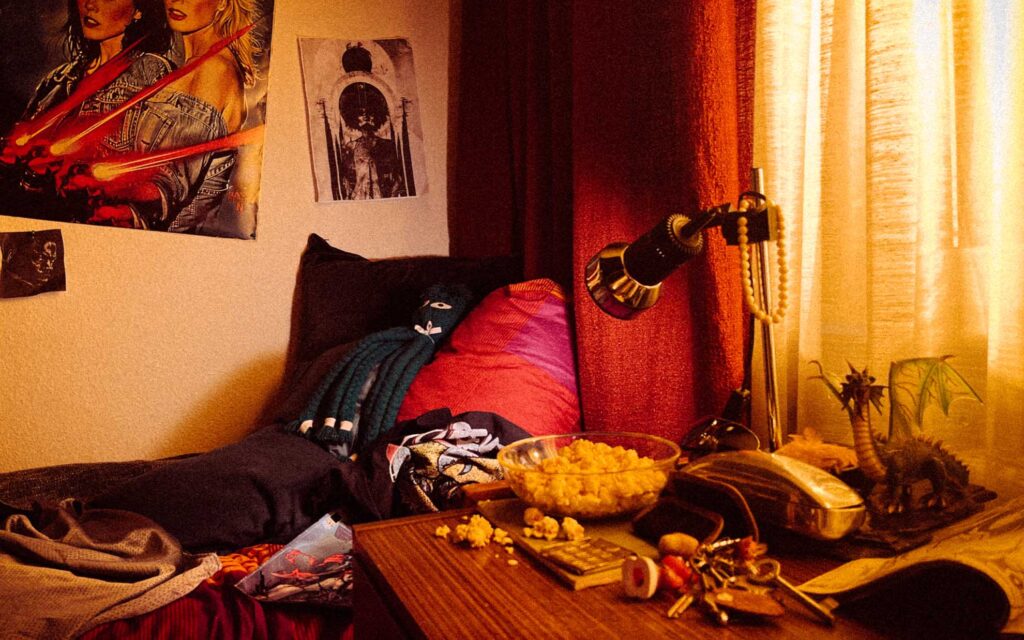
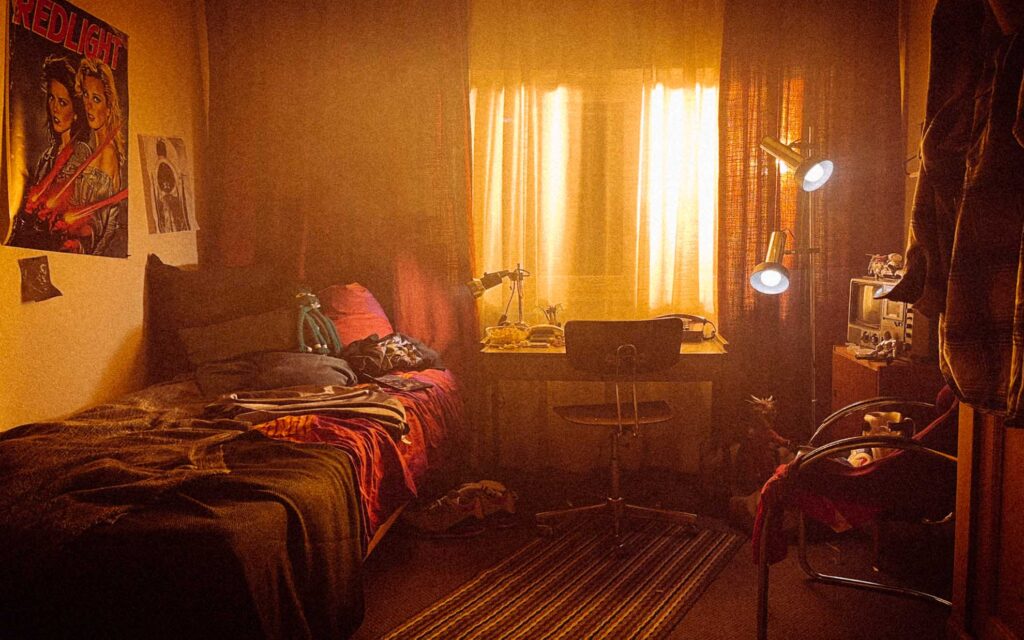
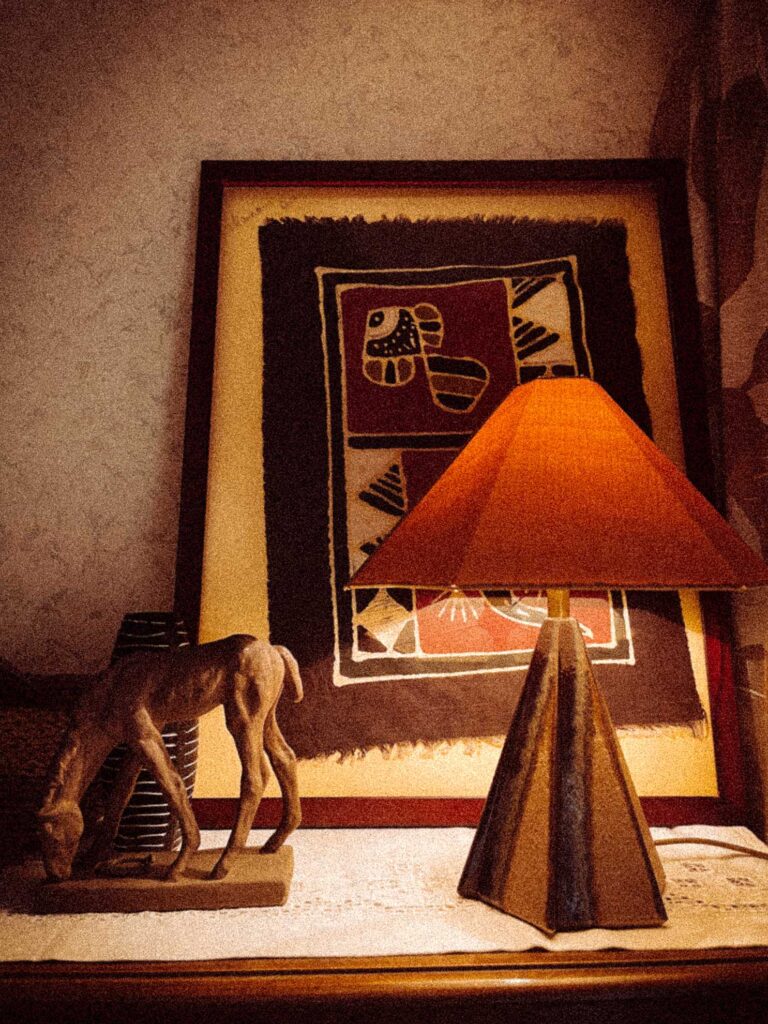
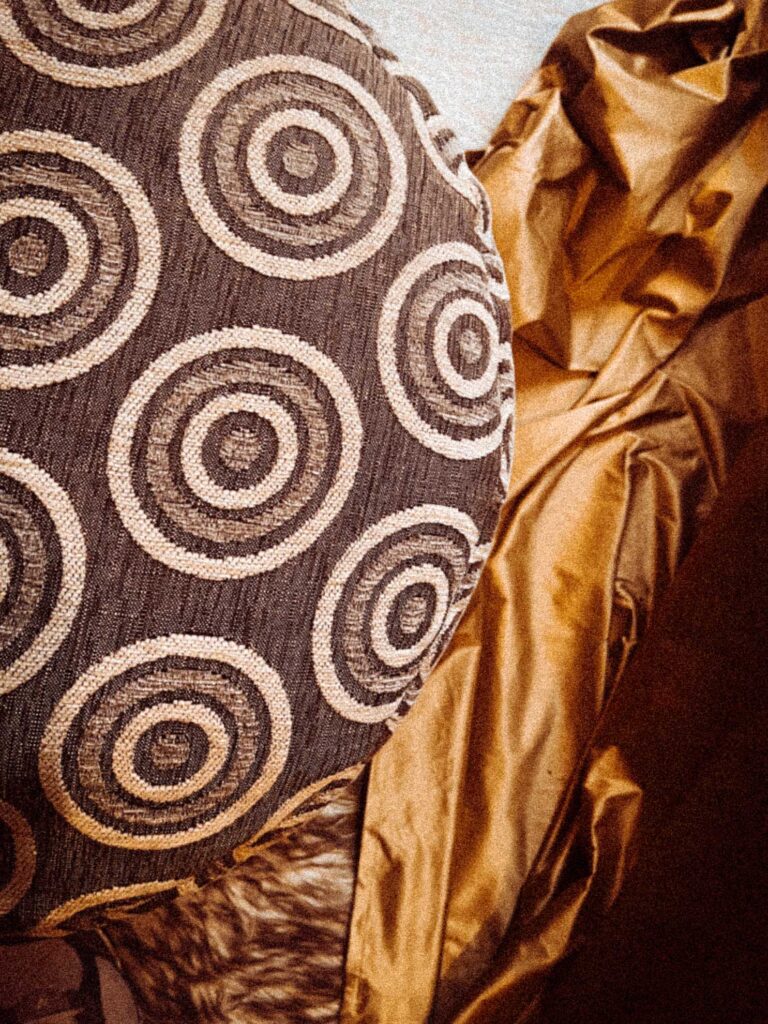
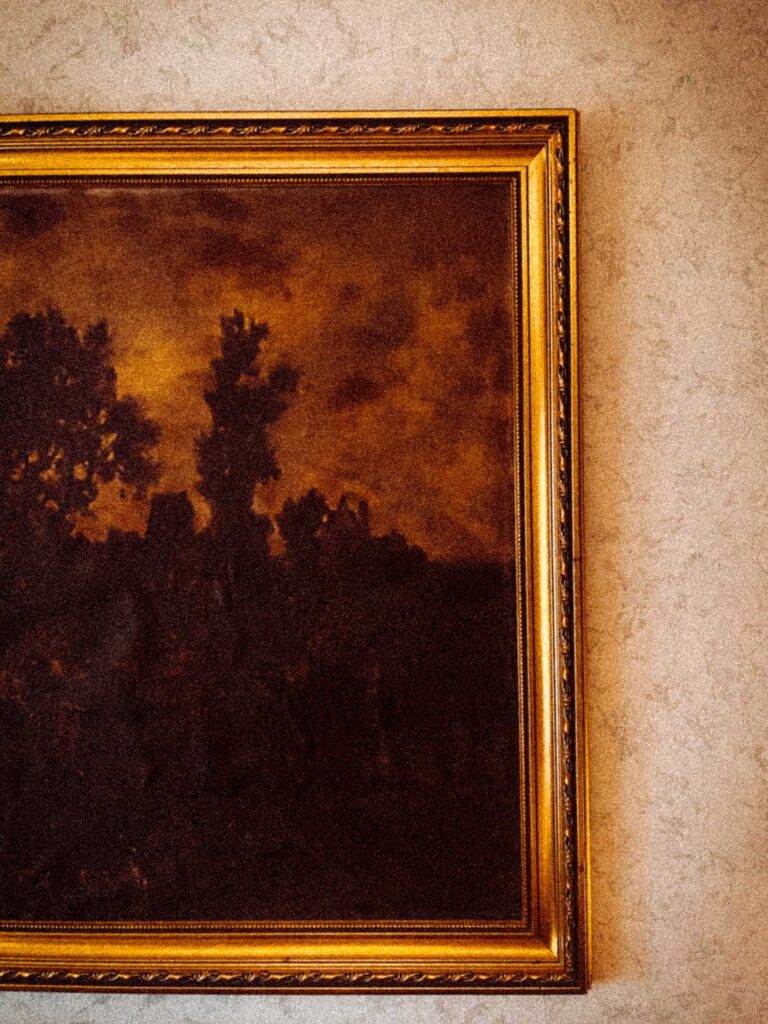
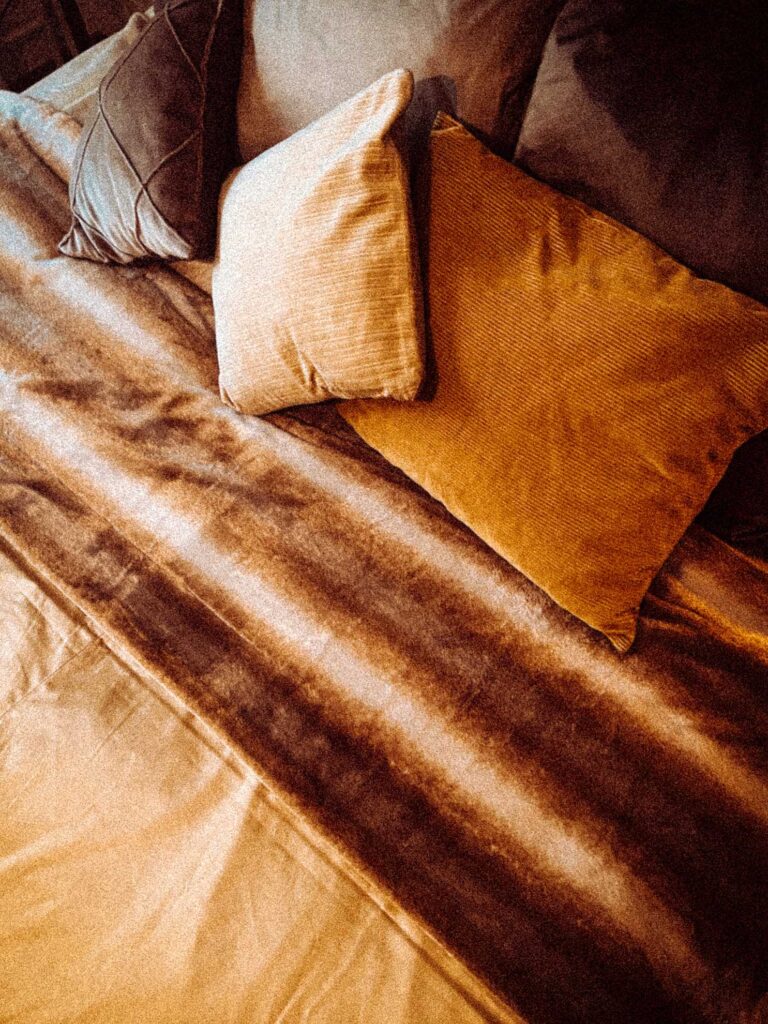
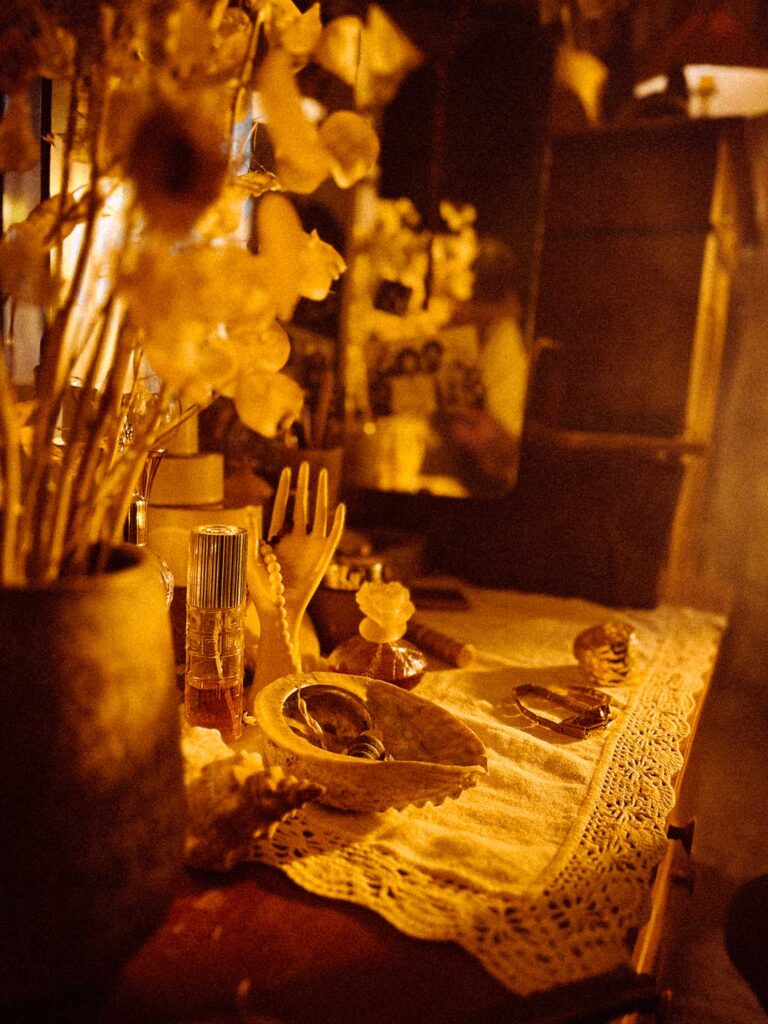
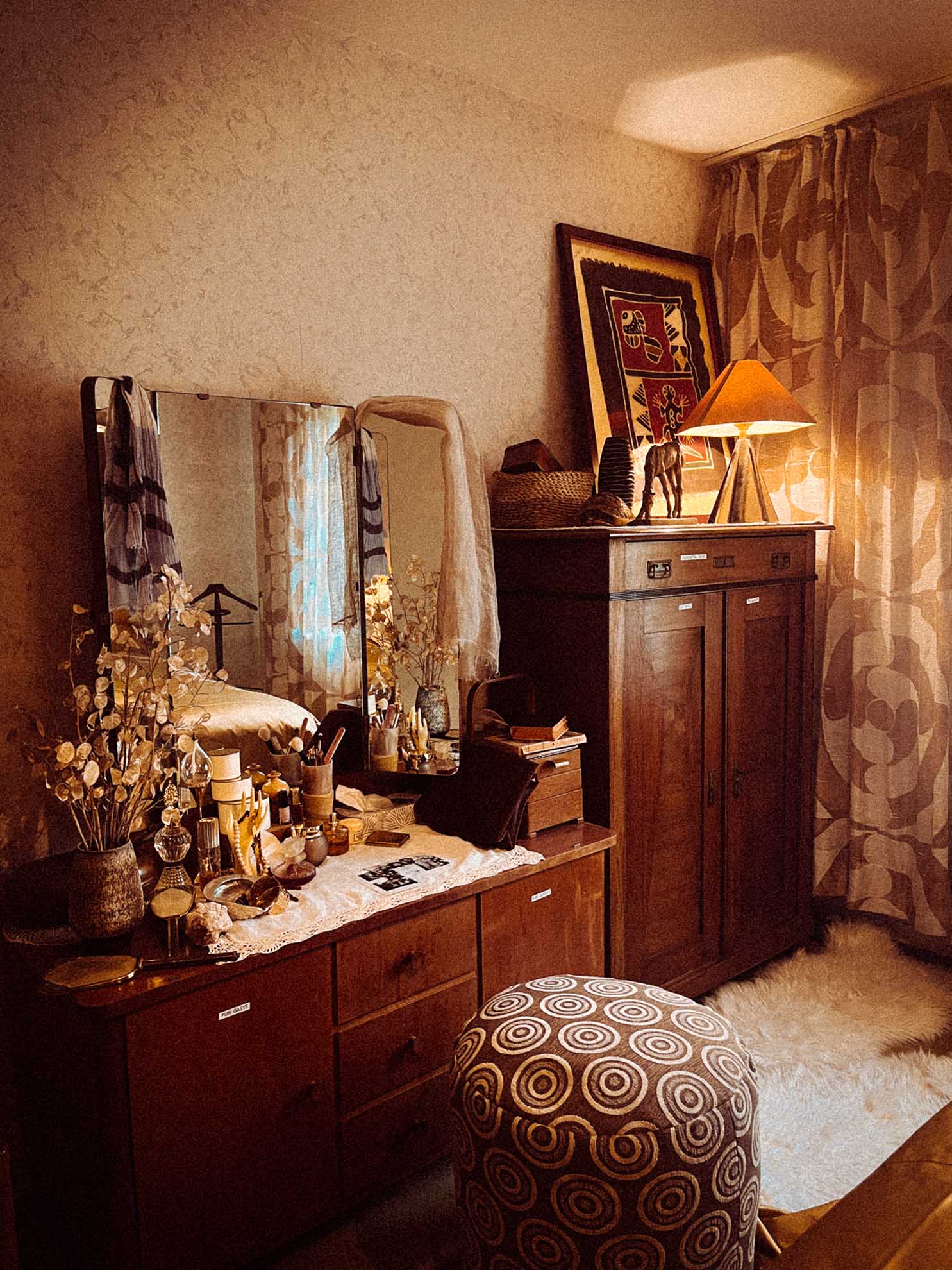
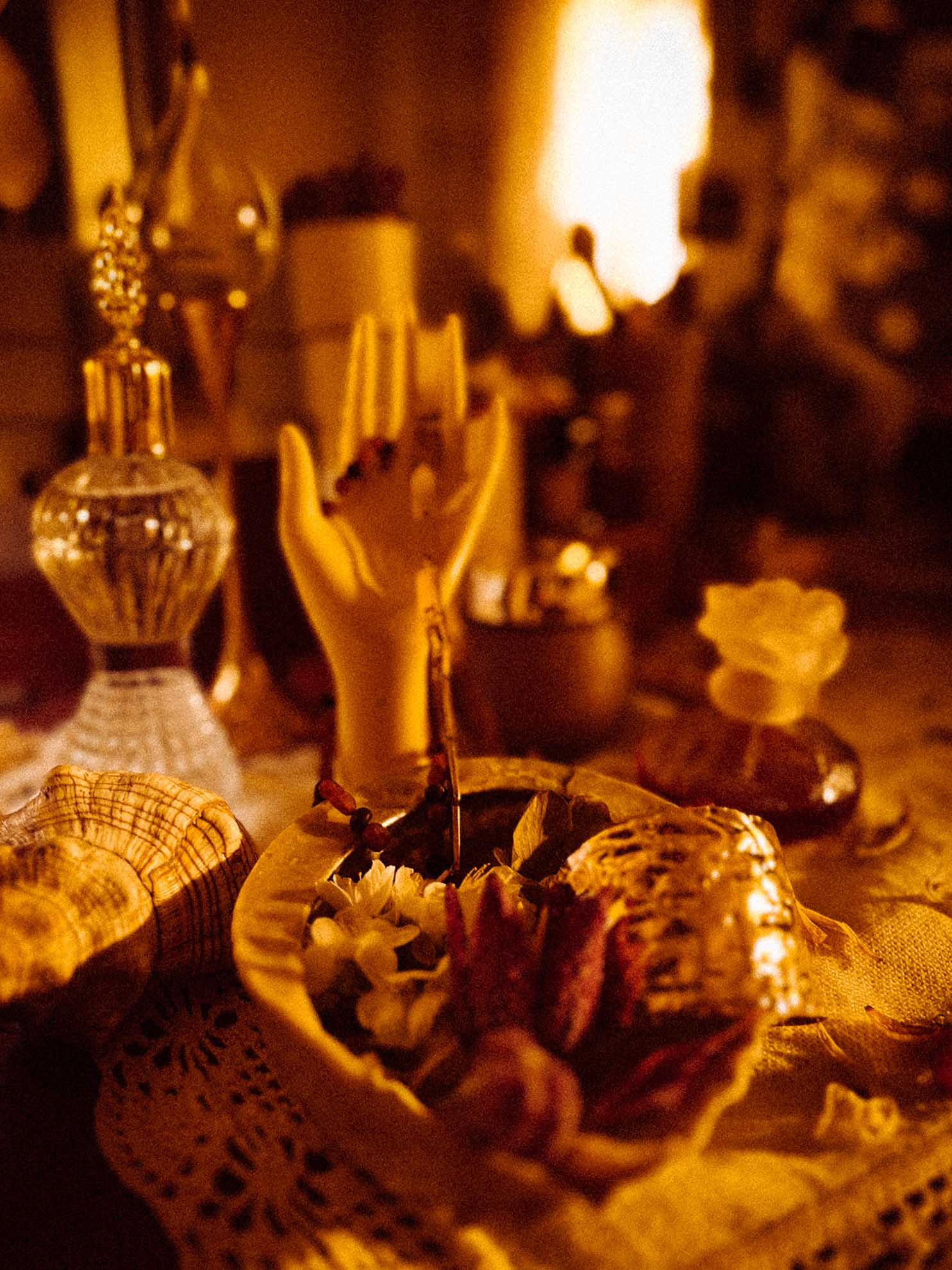
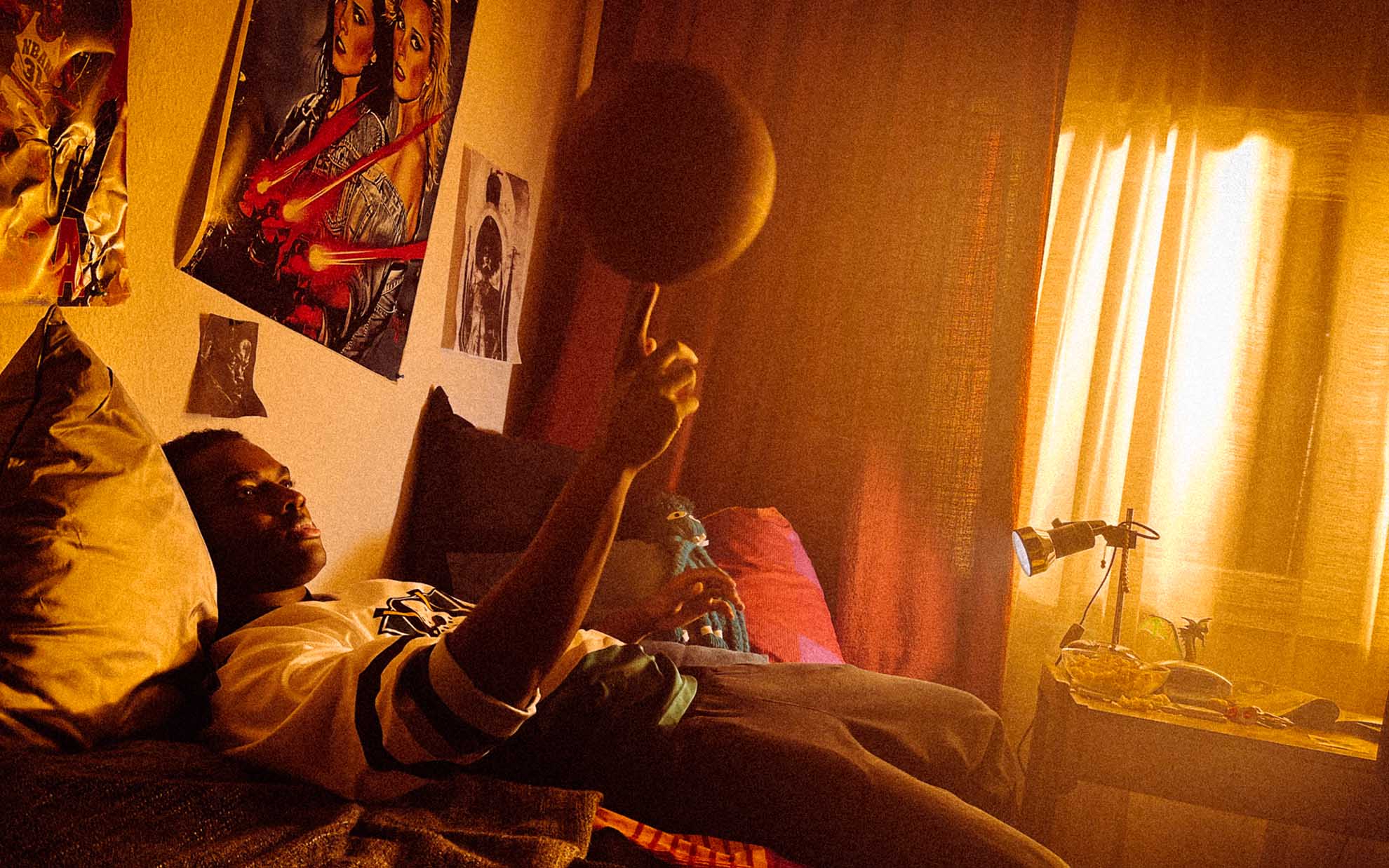
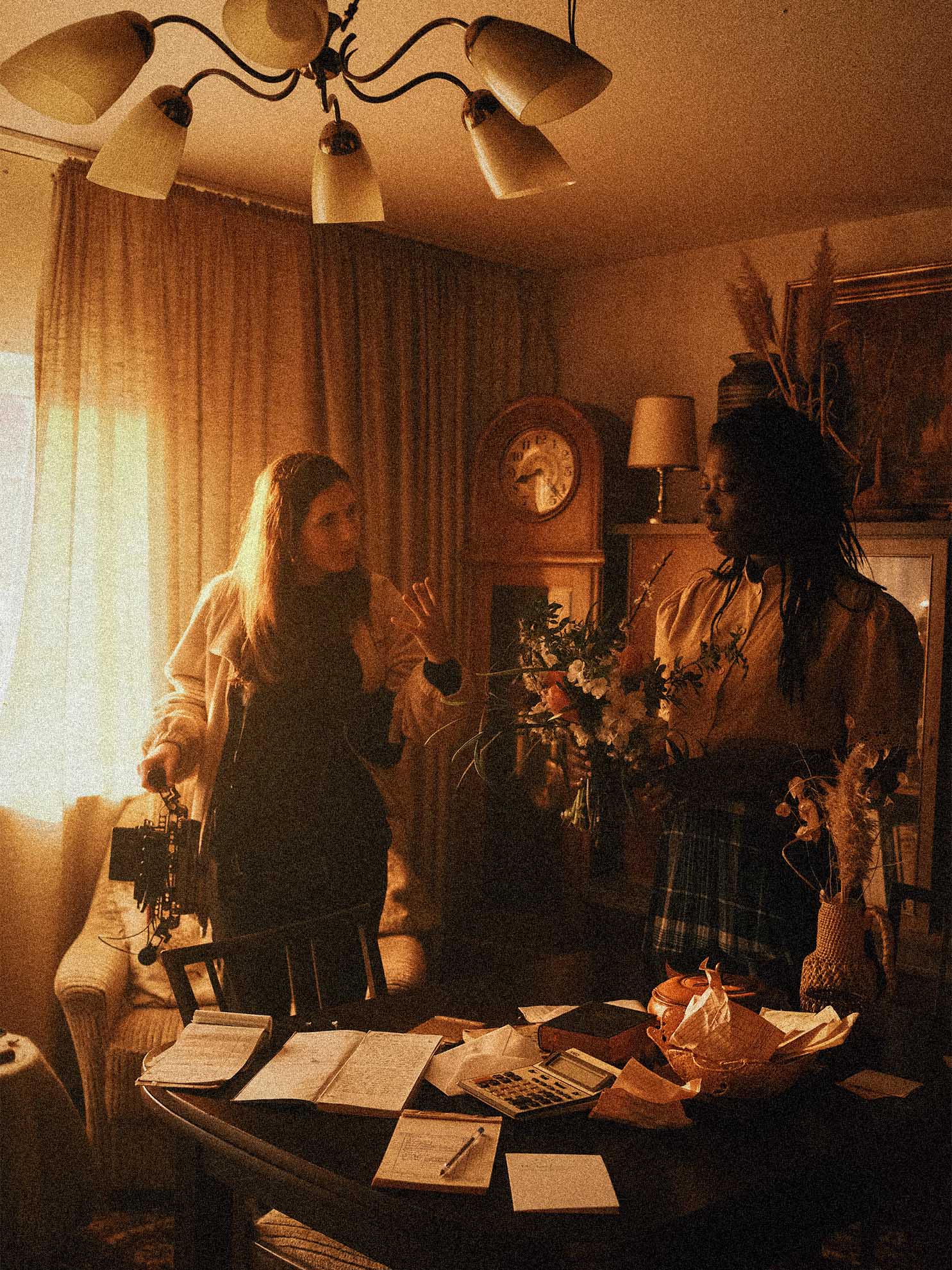
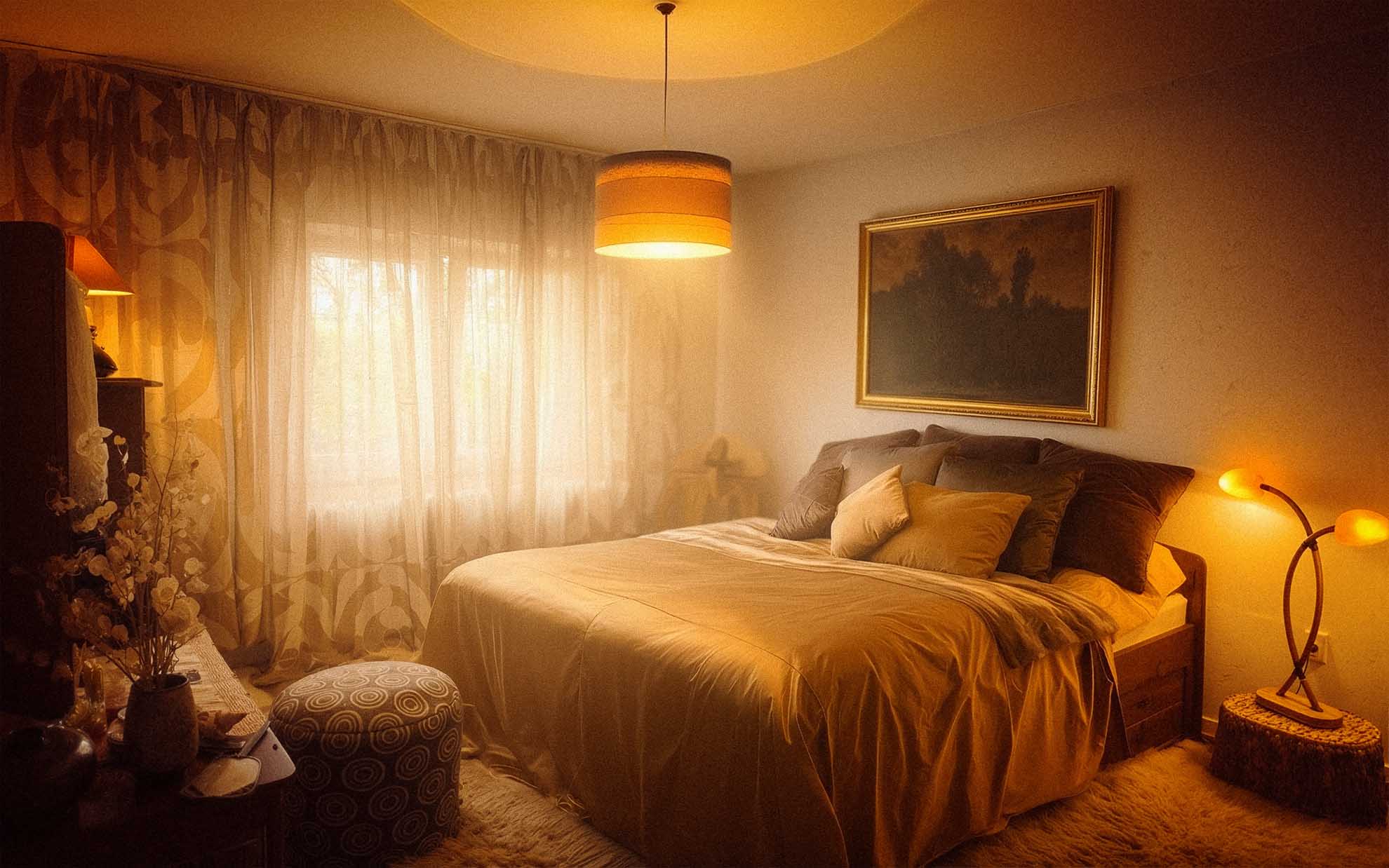
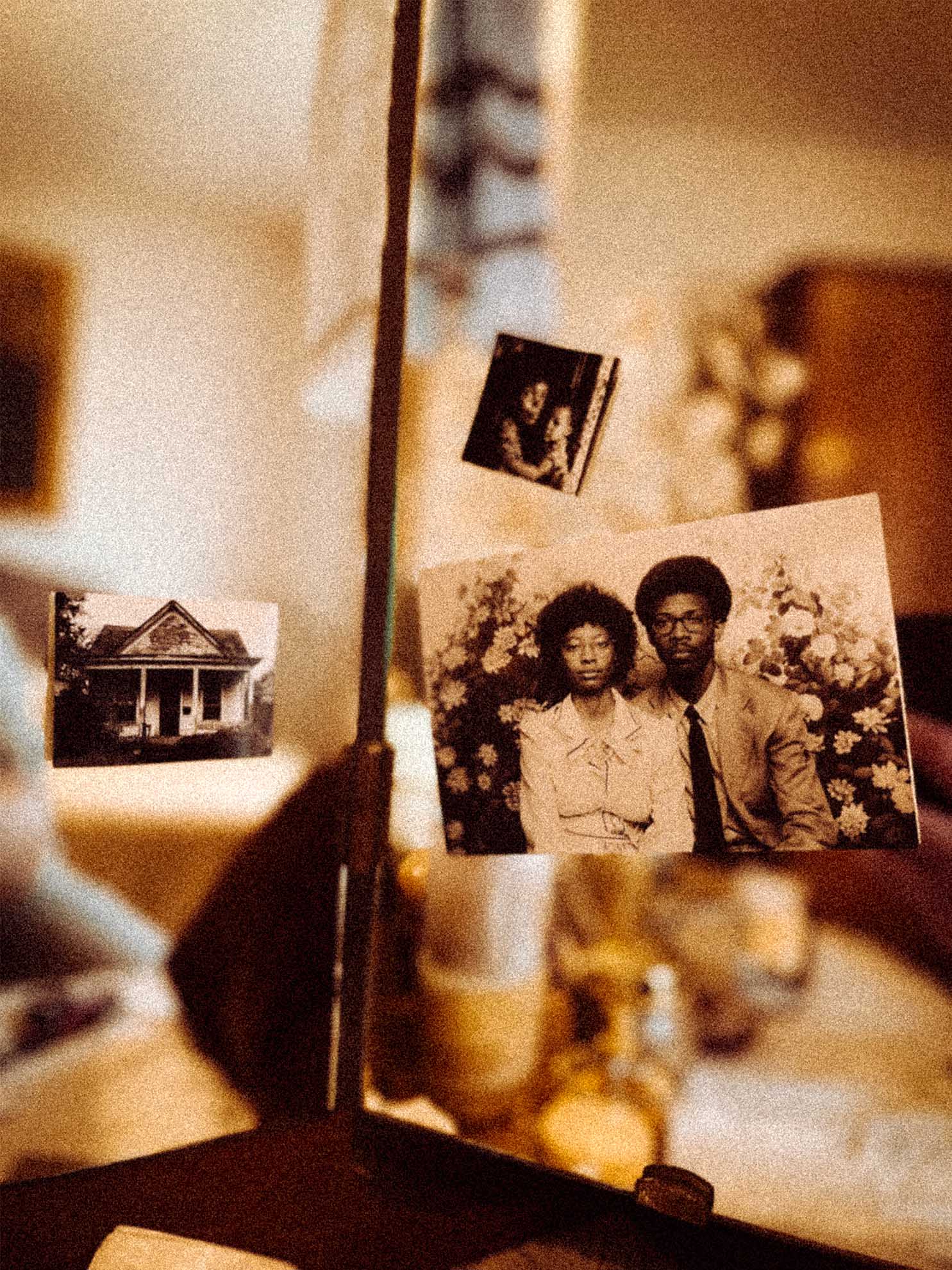
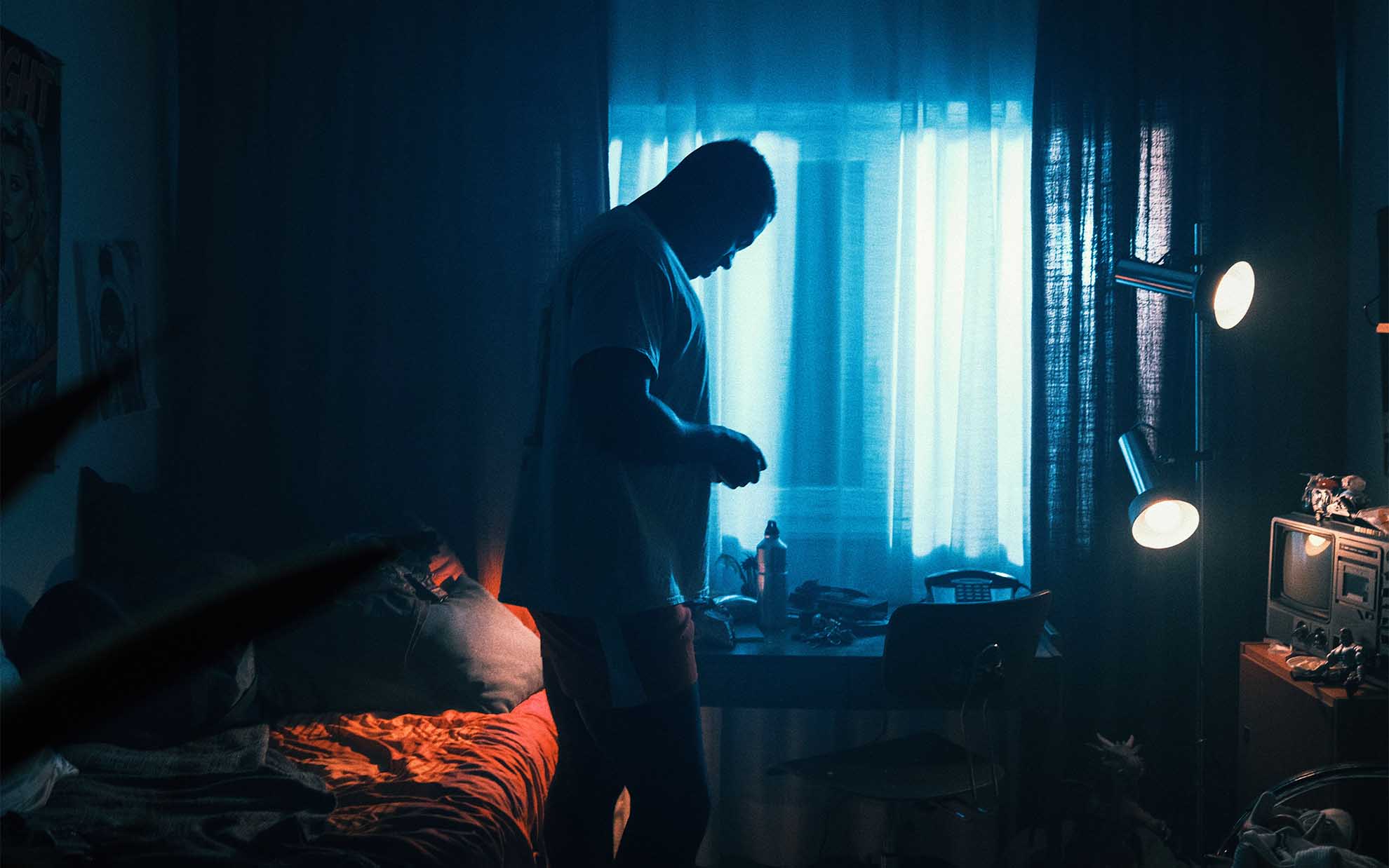
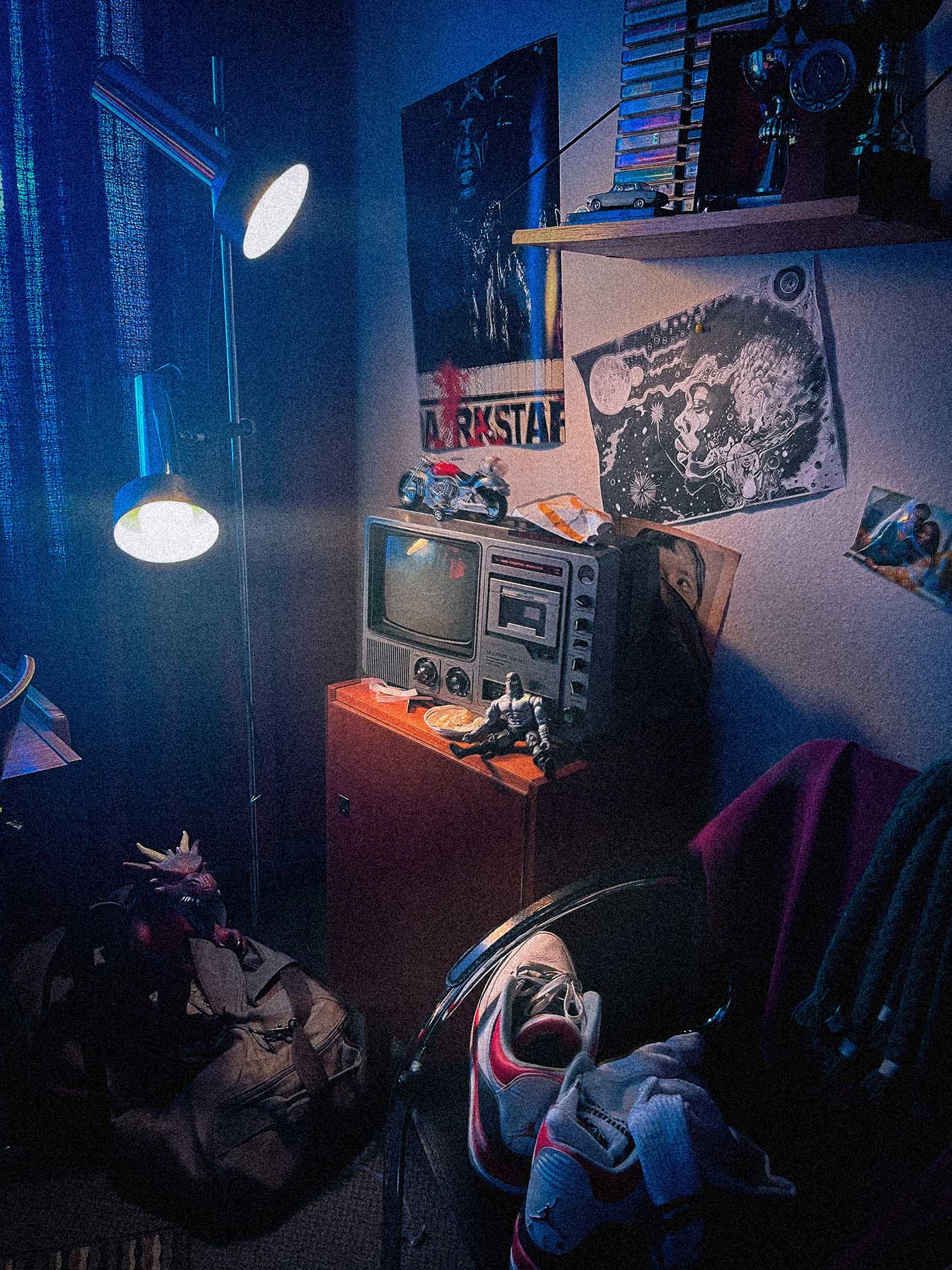
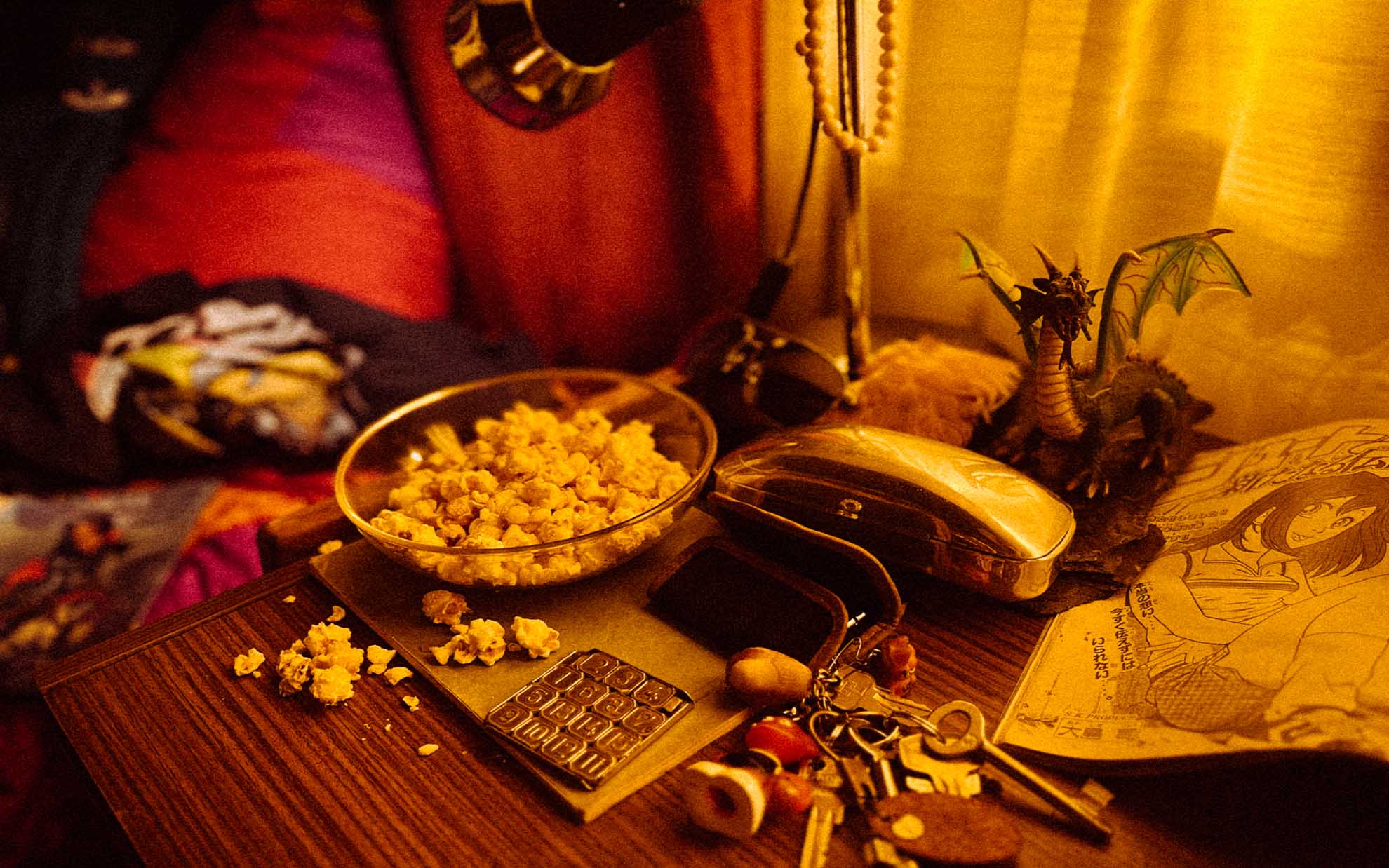
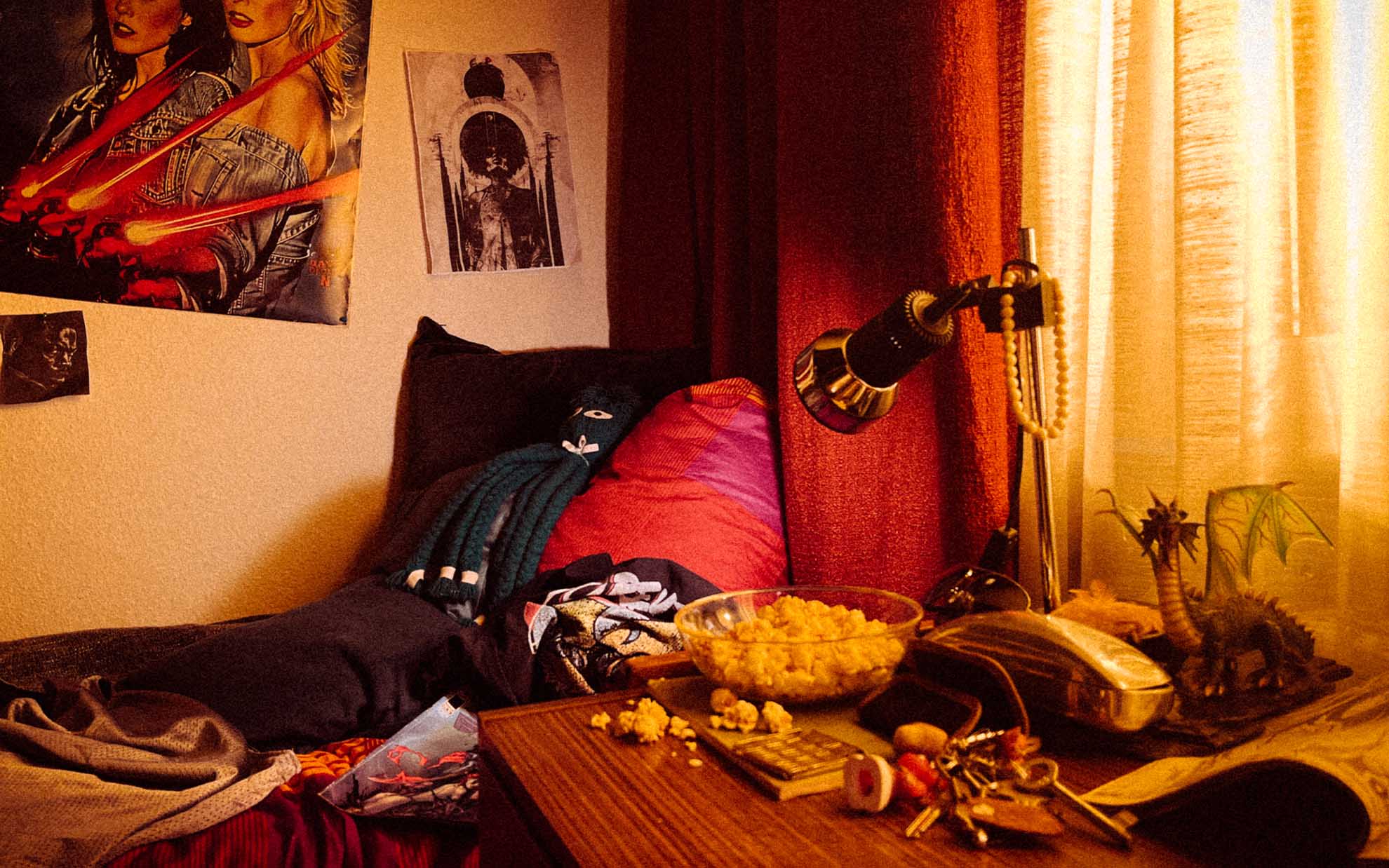
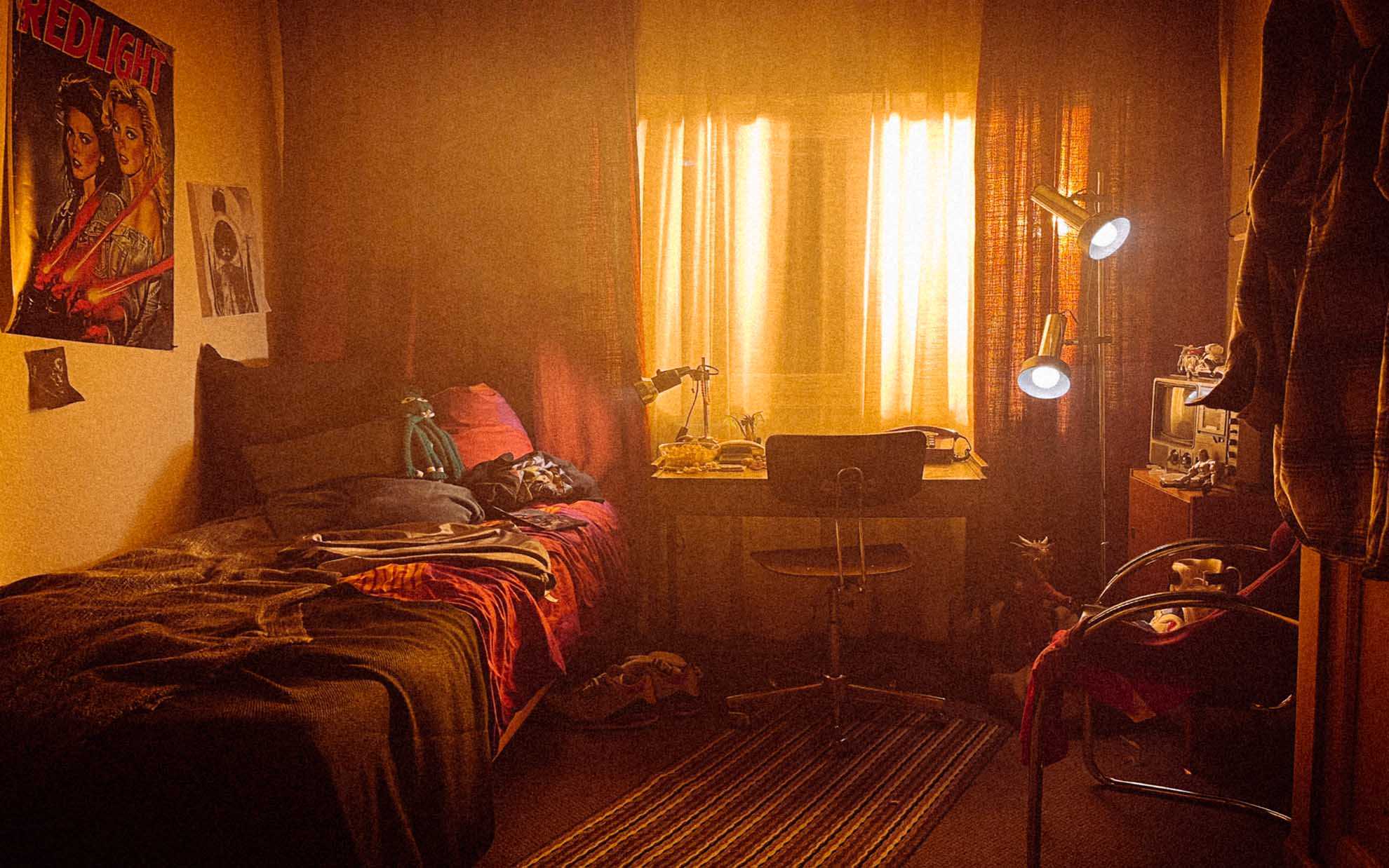
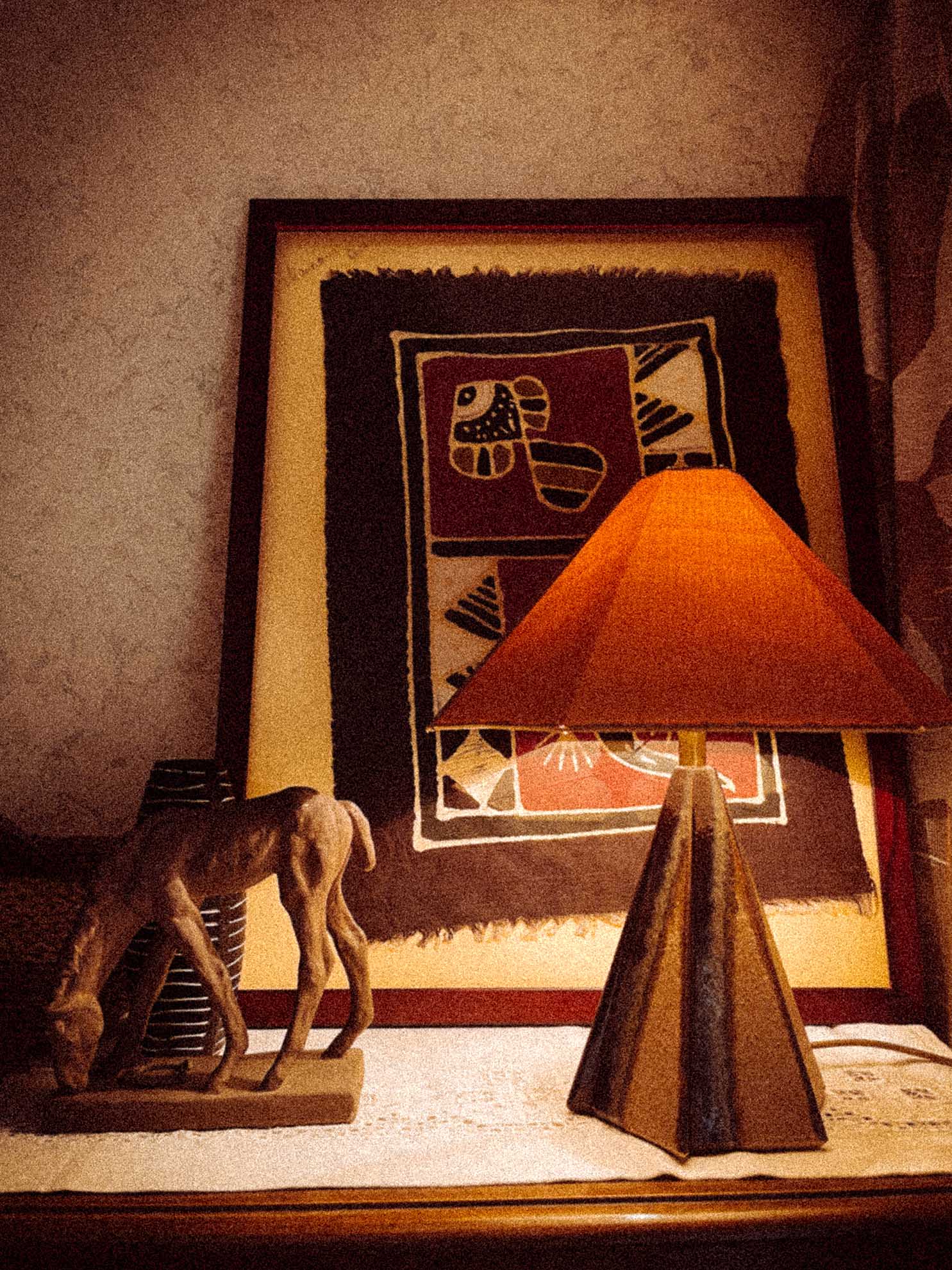
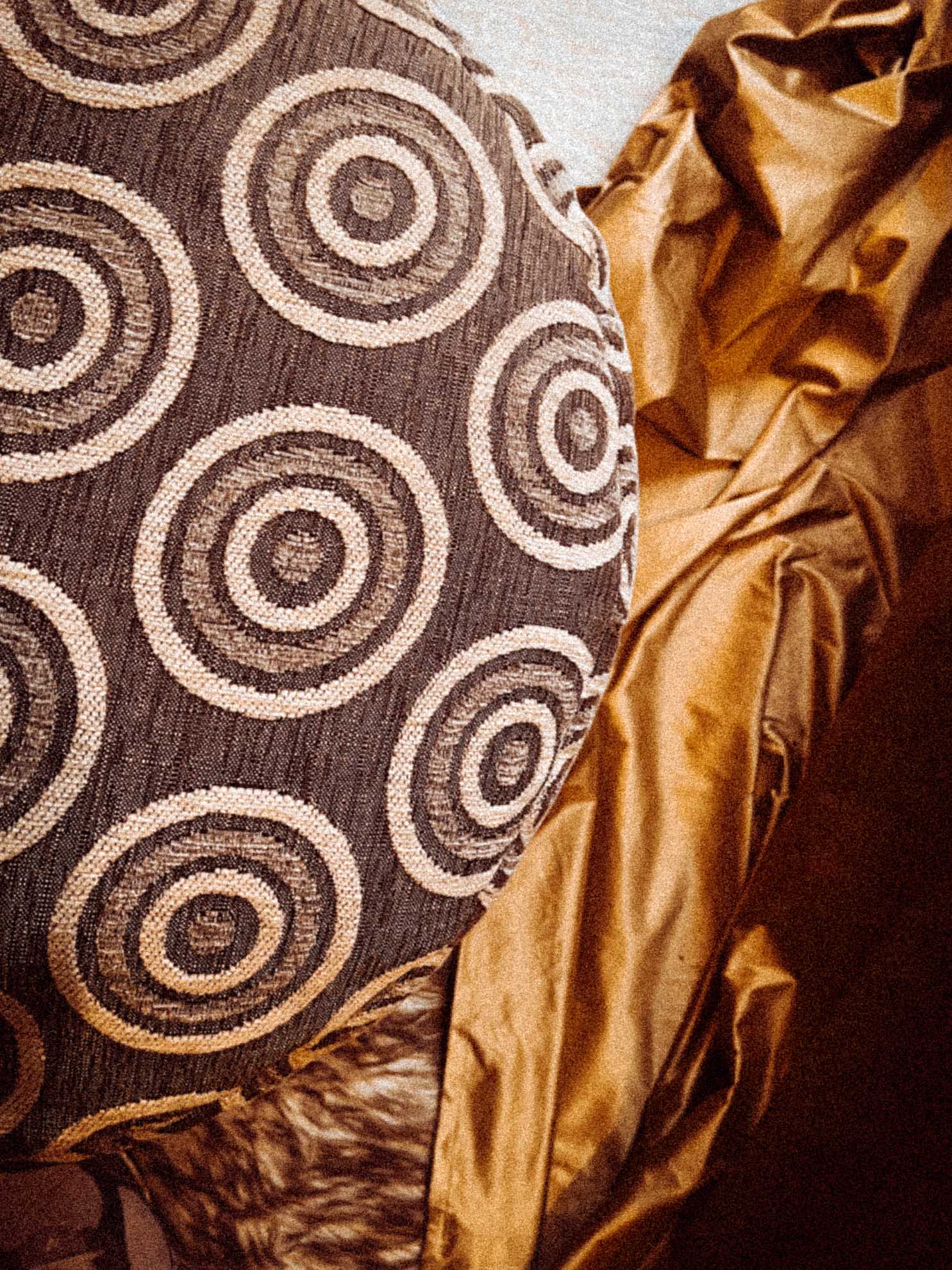
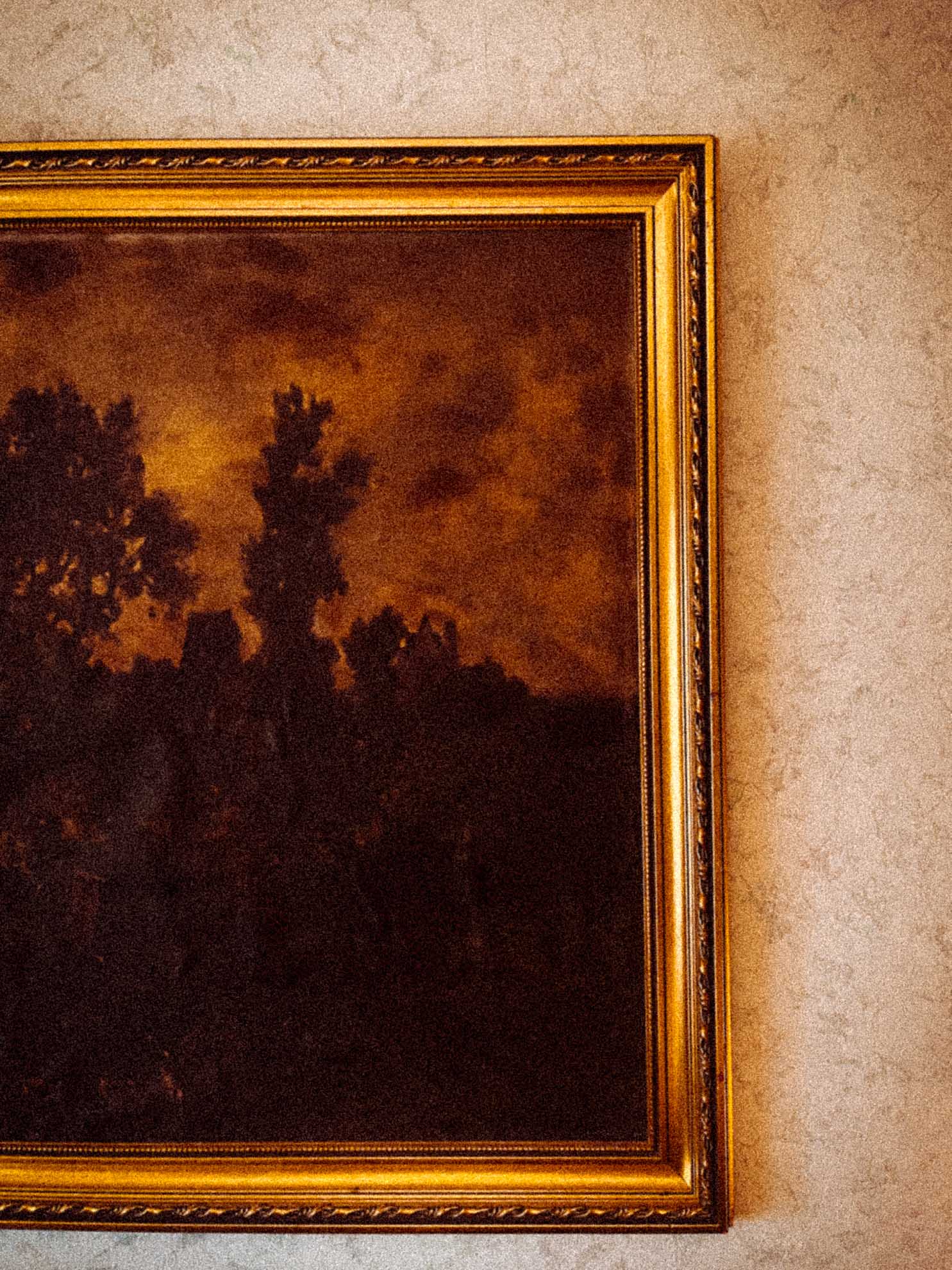
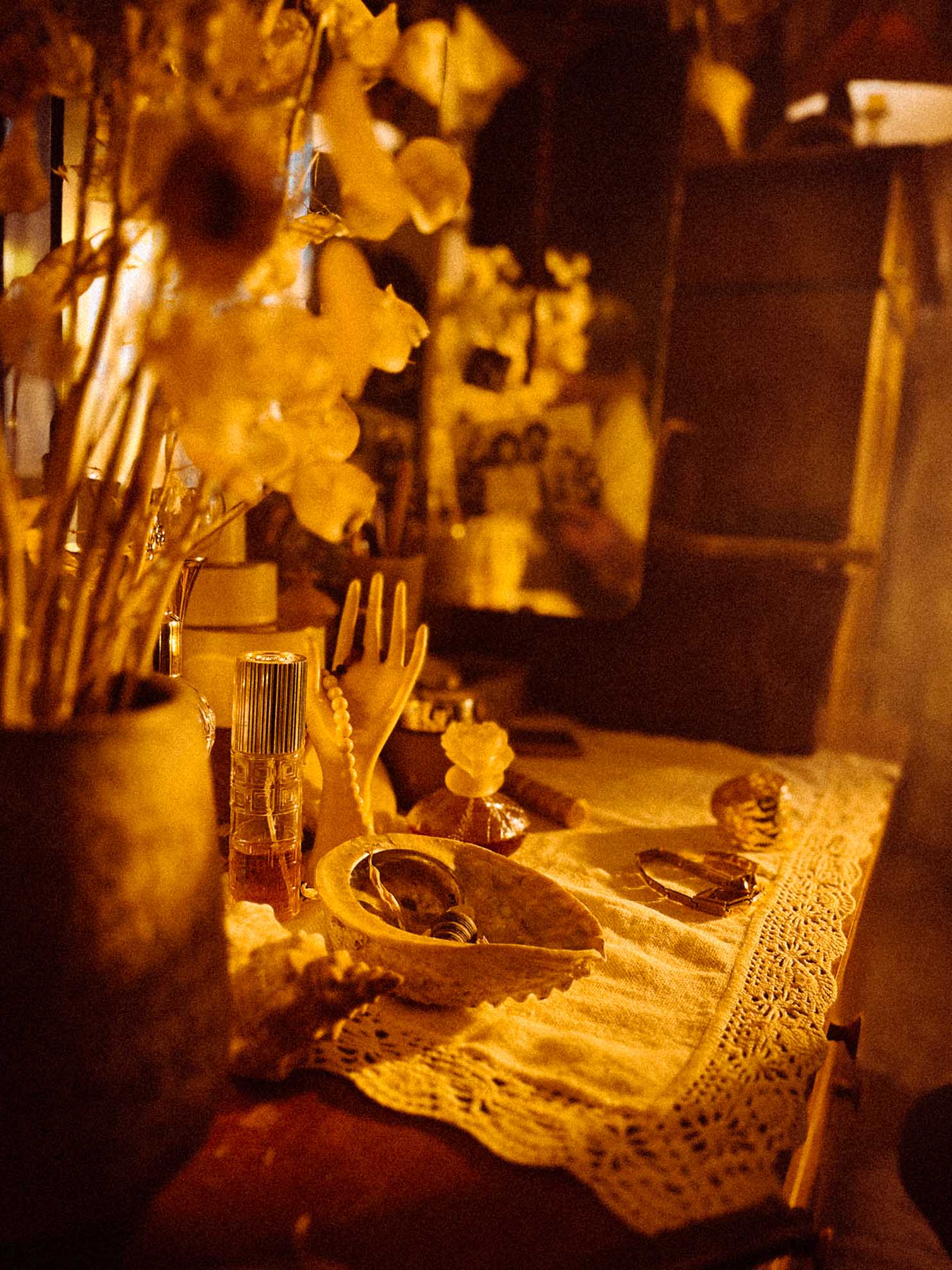
In Sweet Will, I construct space as a field of emotional contradiction. Warmth and coldness are not aesthetic choices but psychological states. Memory unfolds in dense ambers, ochres, and fading gold — a heavy warmth that settles into surfaces and lingers. It gathers in textiles, curtains, worn wood, and layered interiors. These spaces feel close, almost suffocating — as if they are holding on to something that refuses to disappear.
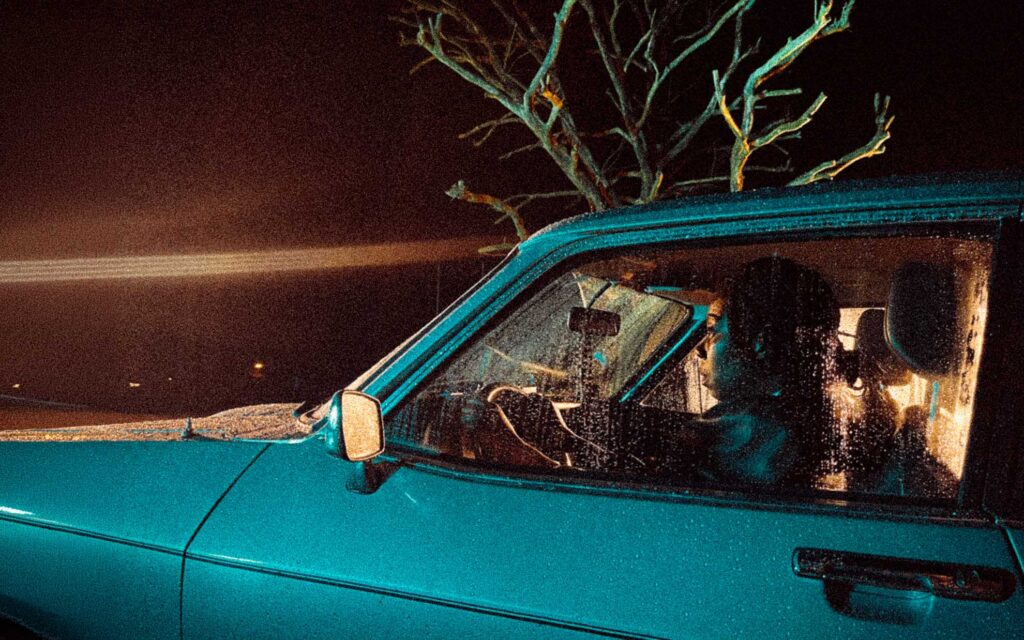
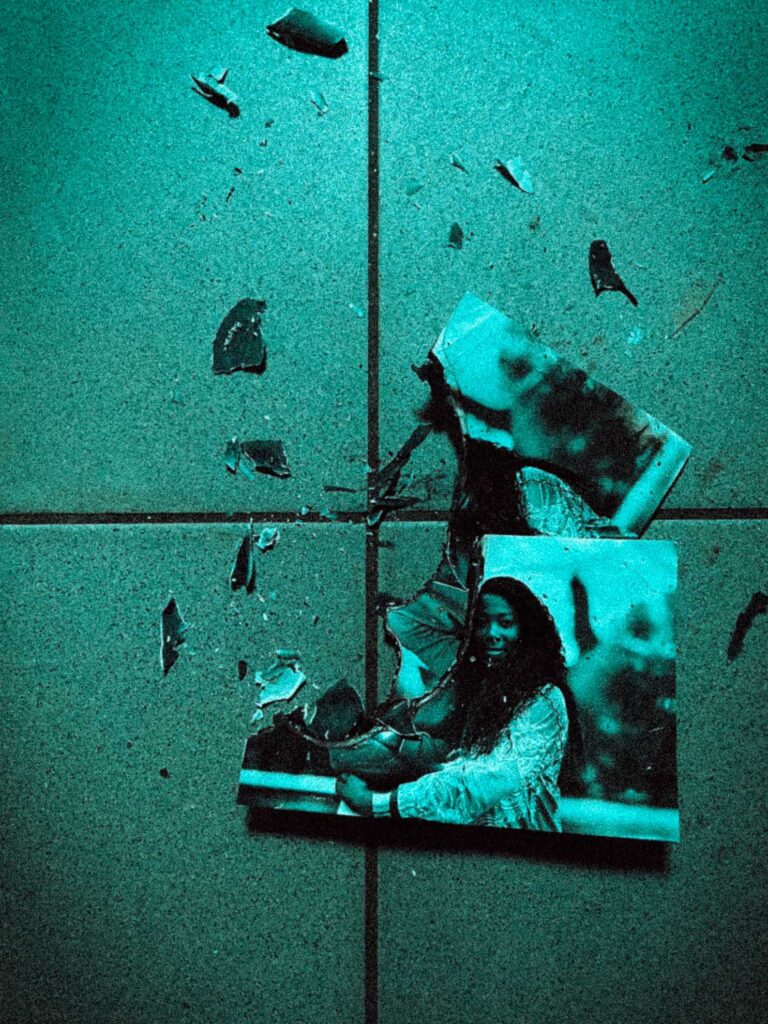
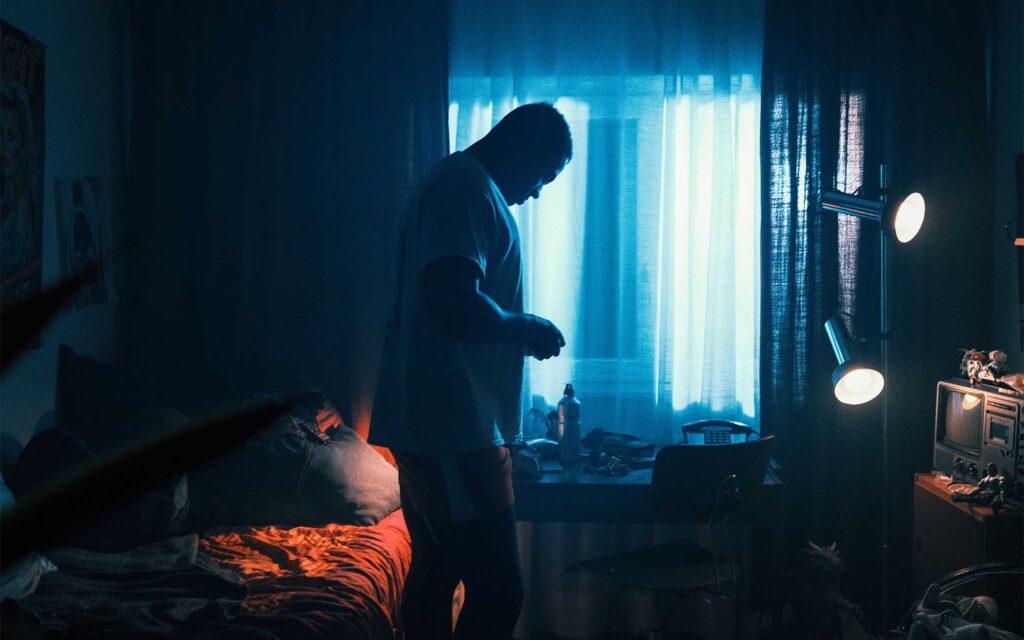
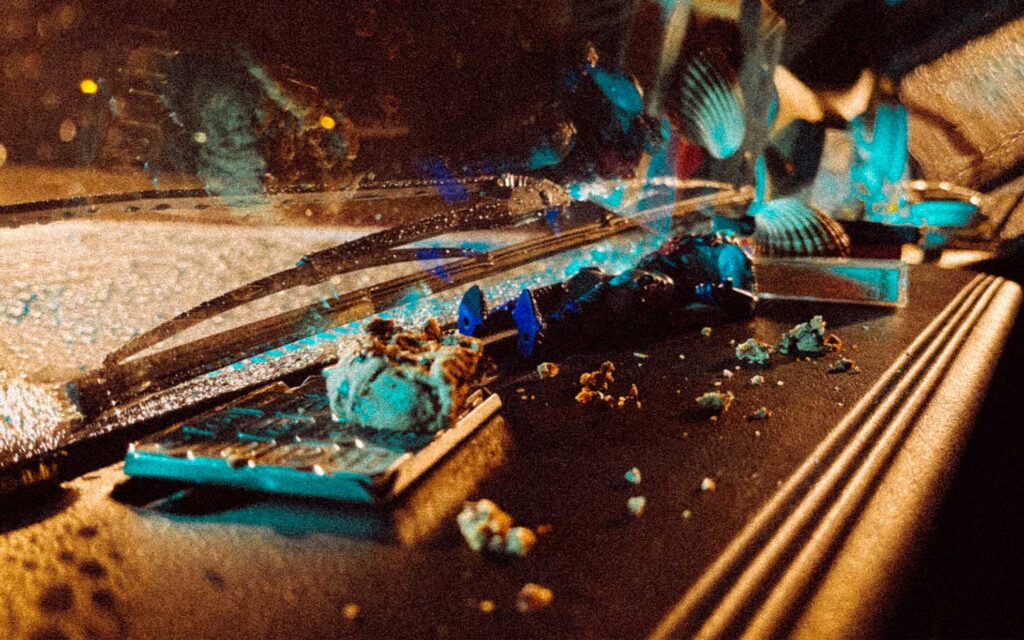
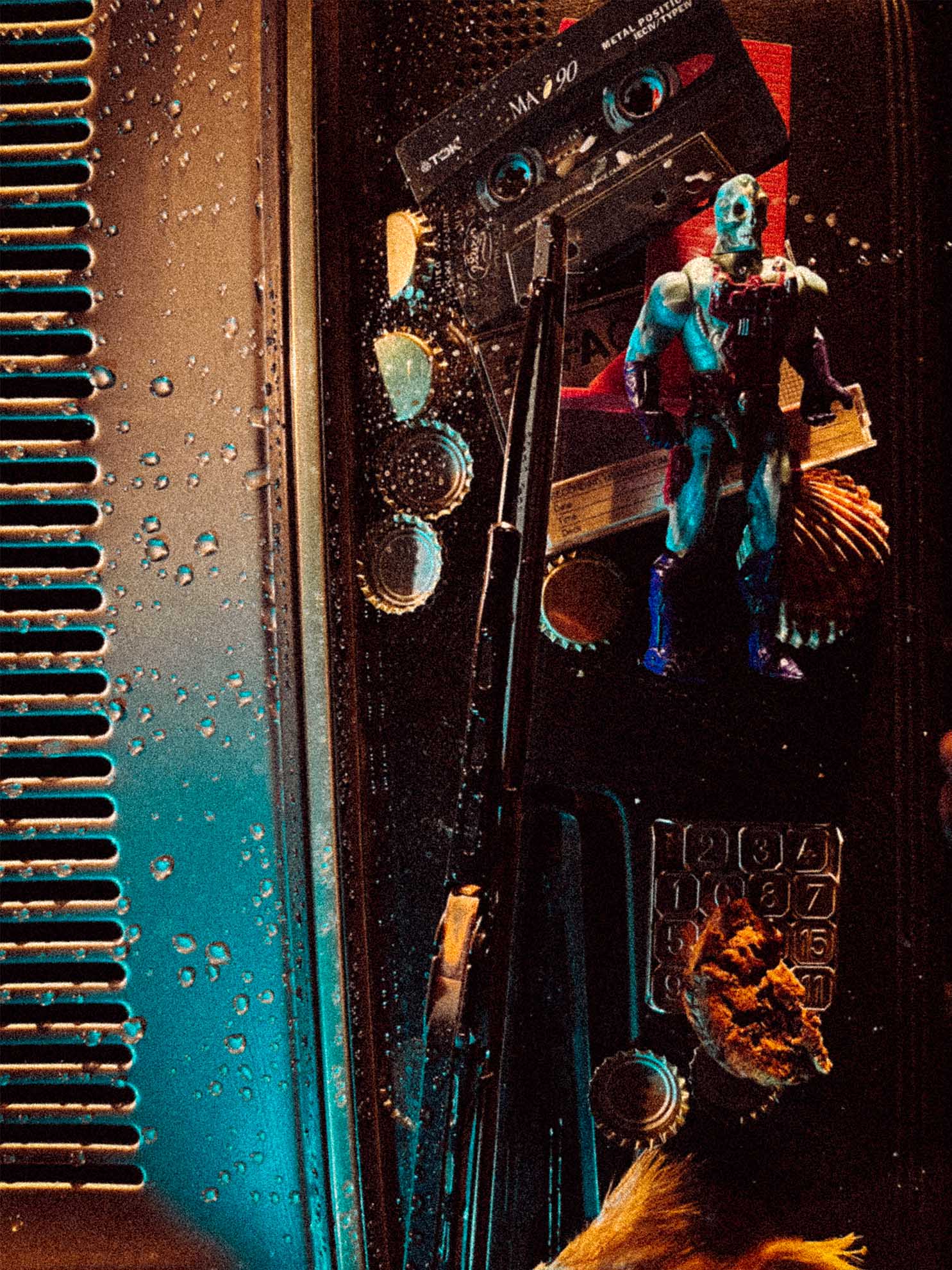
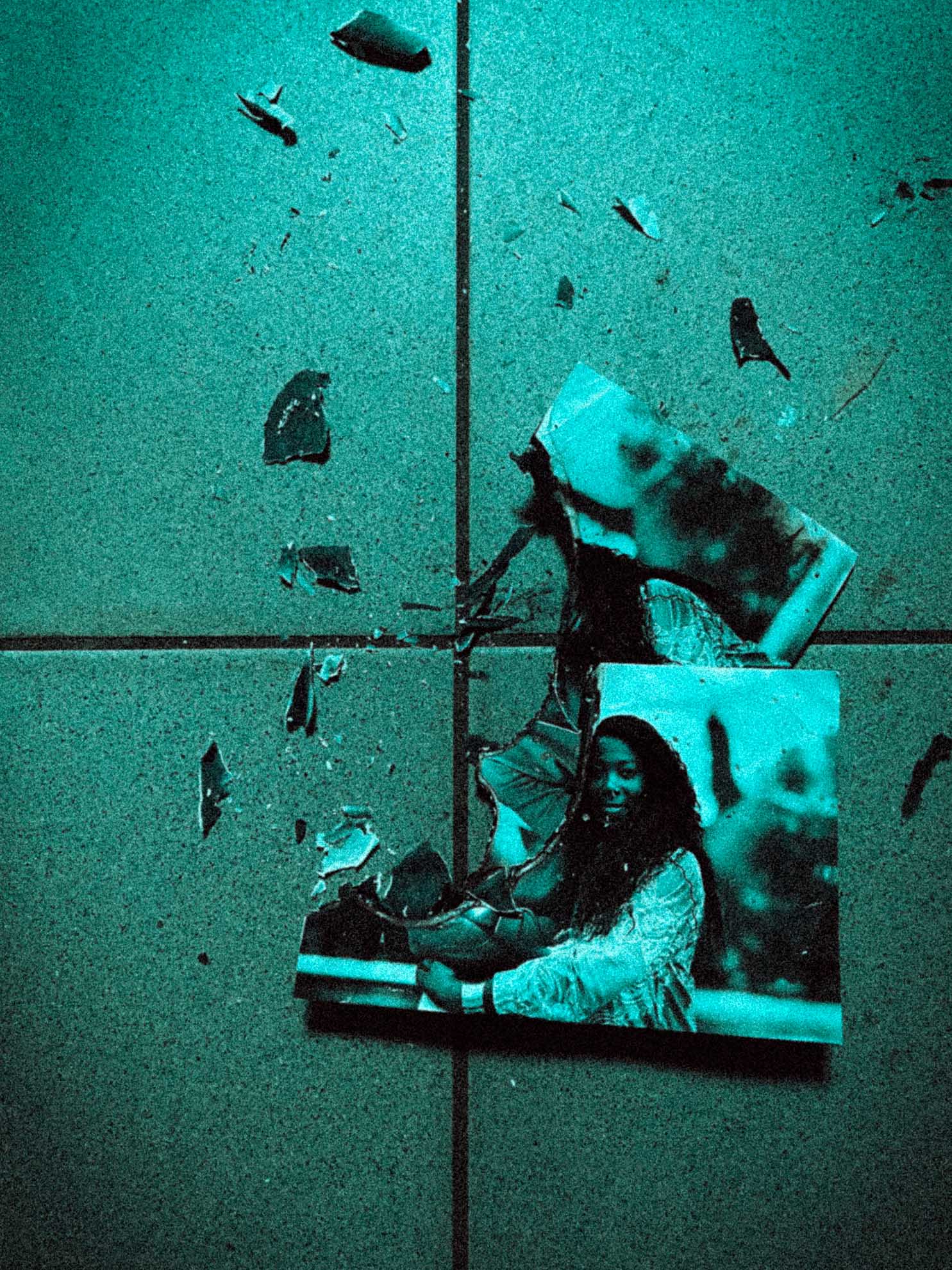
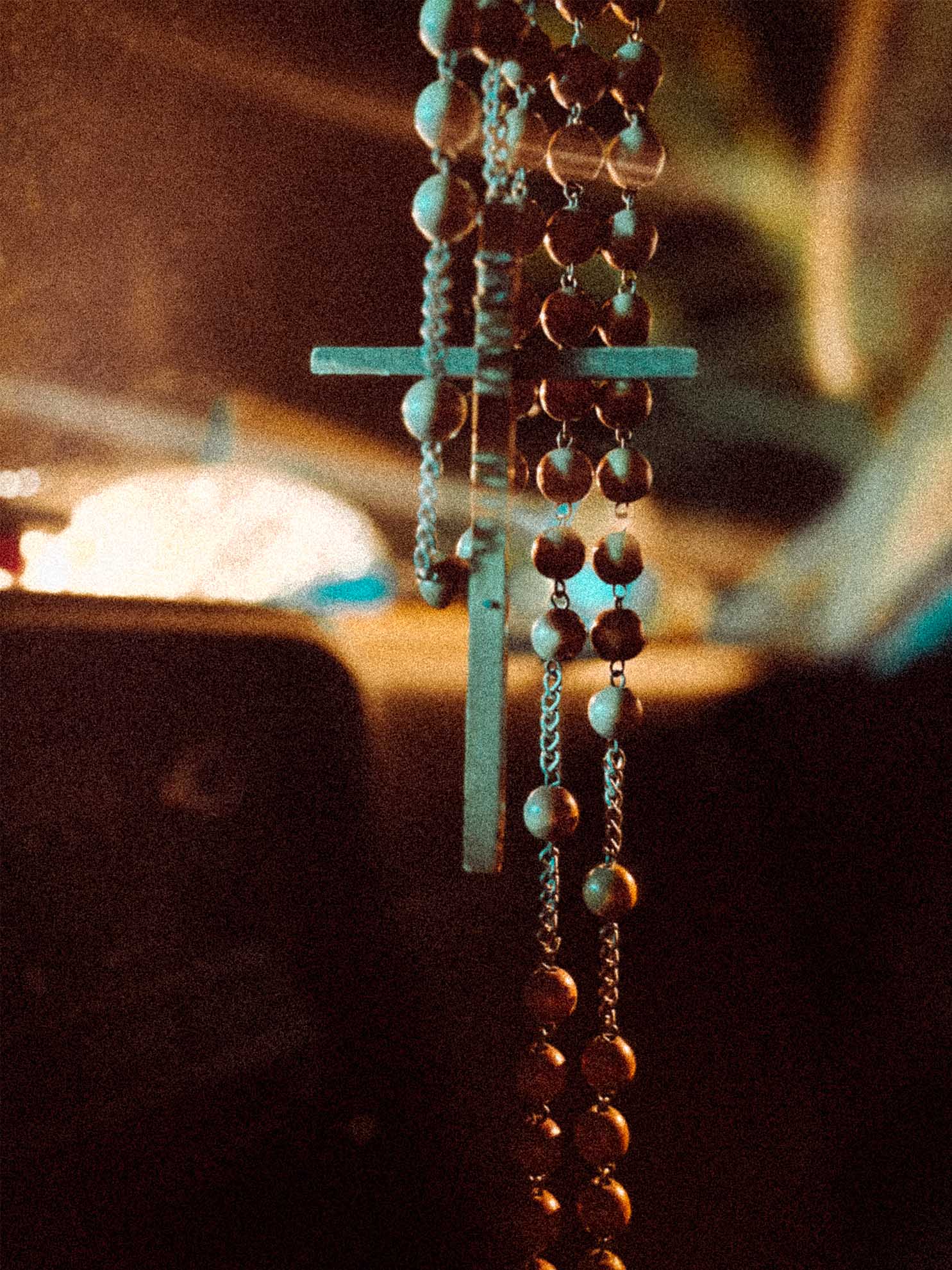
In contrast, the car exists in a colder register of cyan and deep, nocturnal blues. The light is sharper, more detached, cutting through rain and darkness. It exposes rather than protects. The car becomes a fragile threshold between inner retreat and external reality.
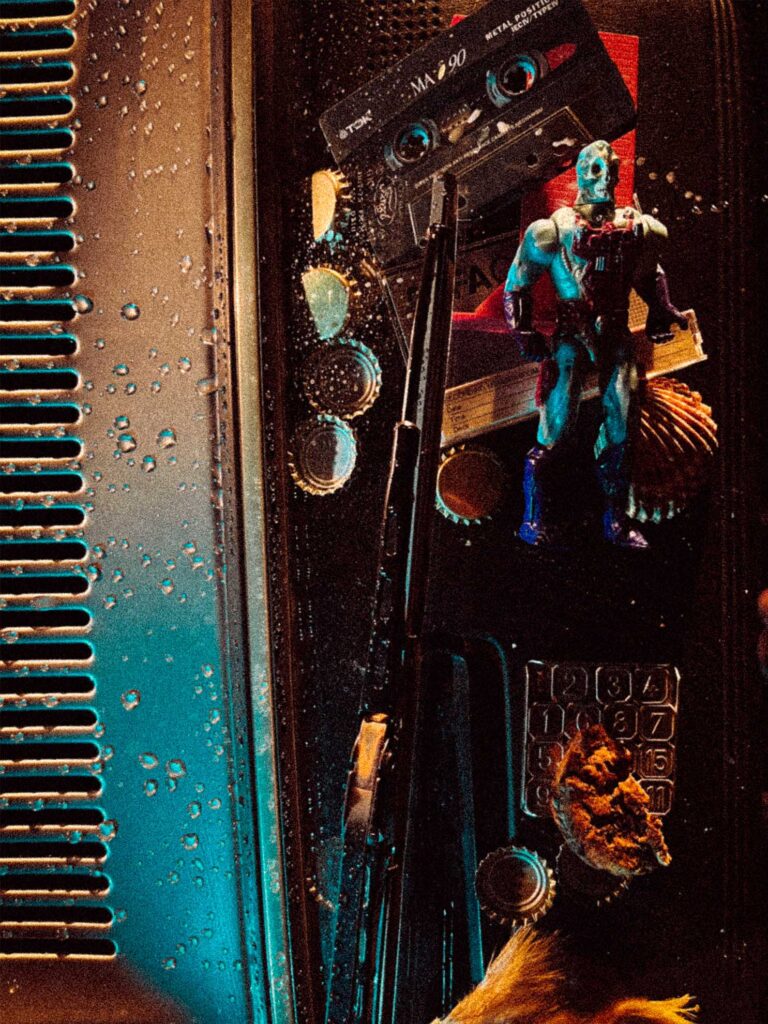
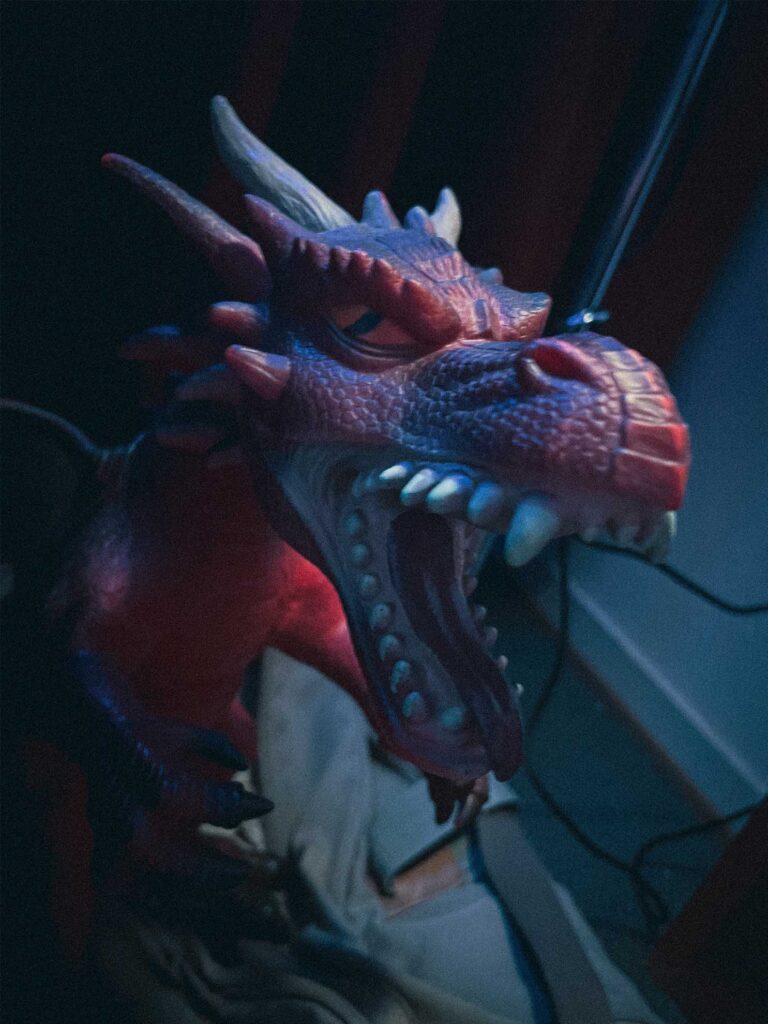
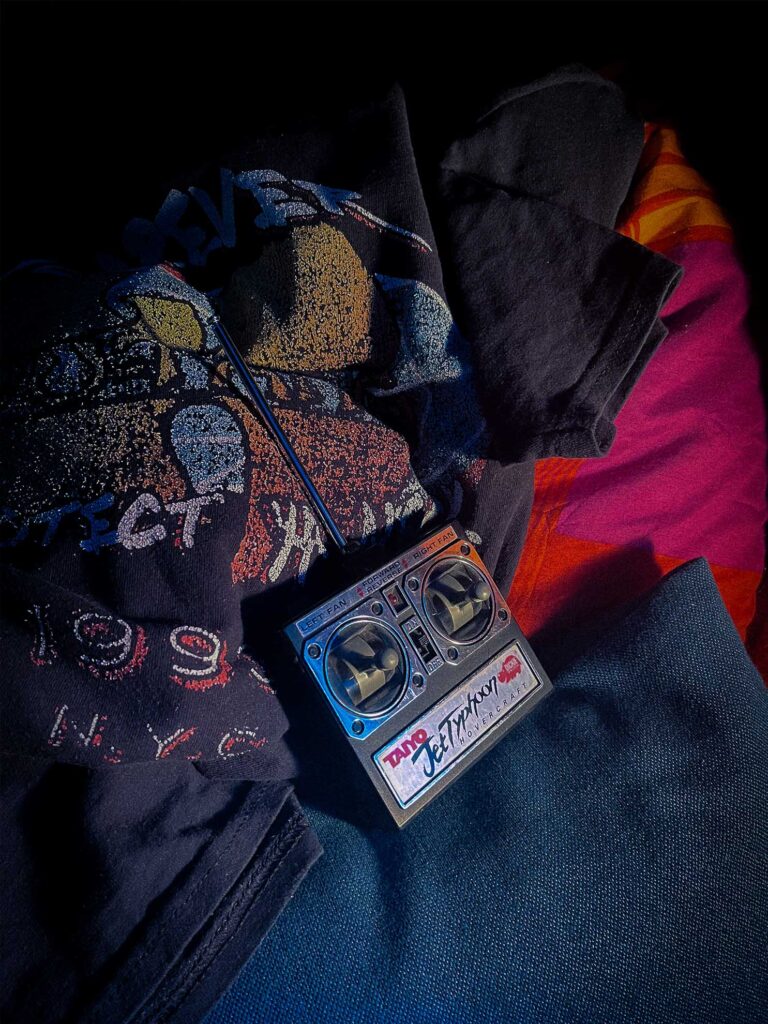
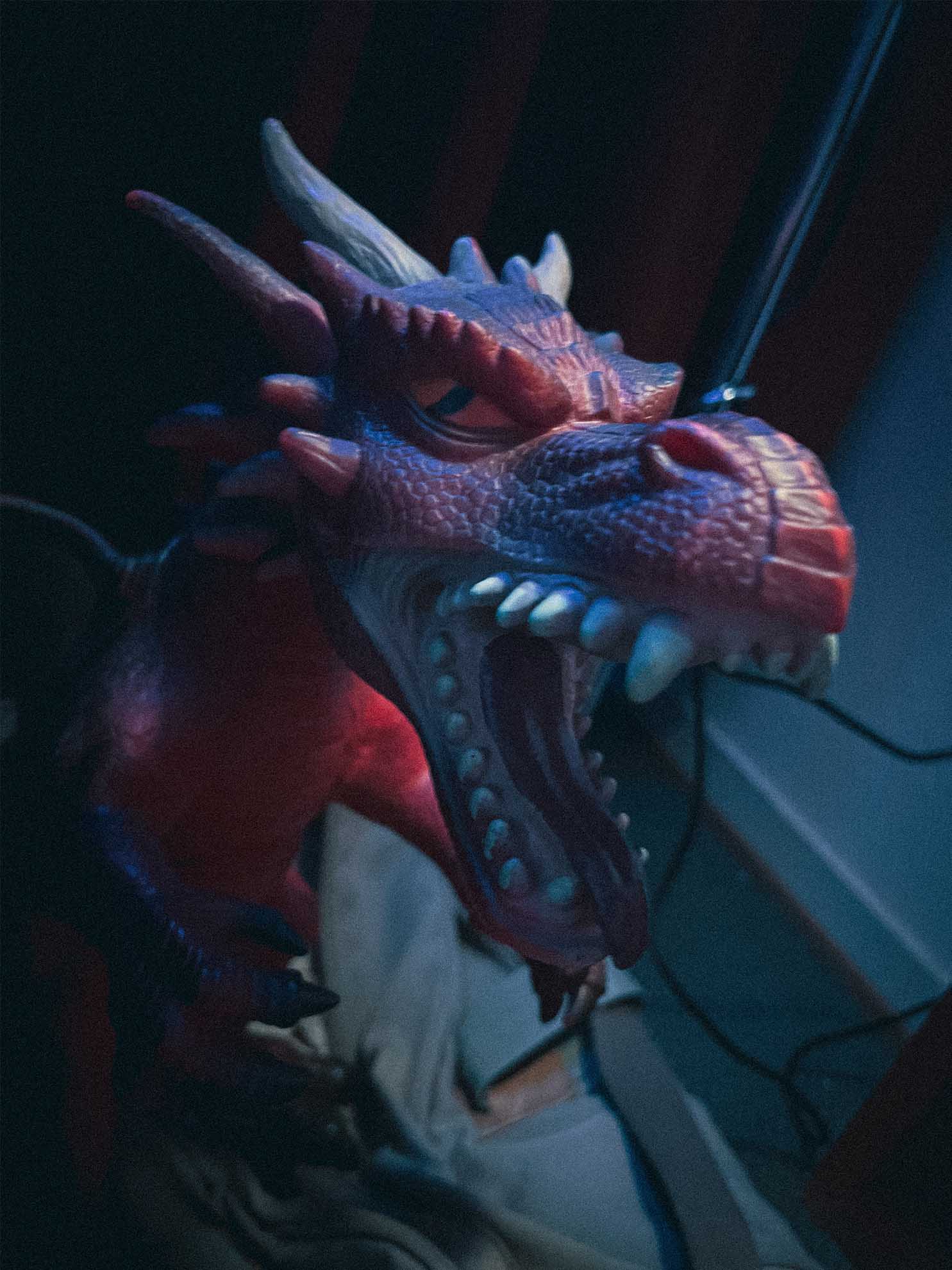
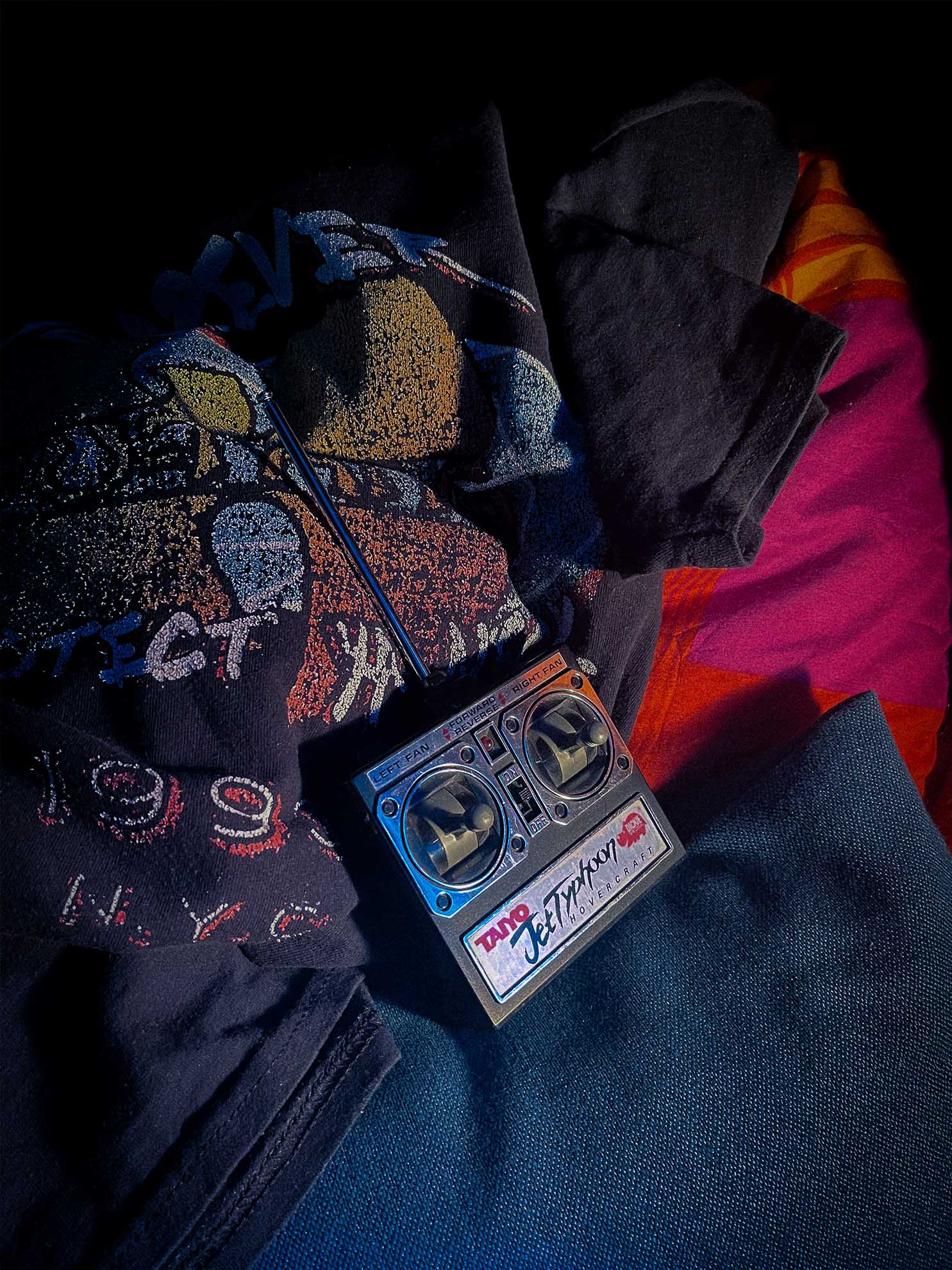
Objects are not decorative; they are charged. They seem to breathe — quietly, insistently — as fragments of the son that remain. A pair of sneakers left behind, an action figure, the crumpled remnants of a last fast food meal. These traces feel both mundane and unbearable, suspended between presence and absence.
The warmth turns oppressive, the coldness isolating. The space holds grief in a way that is dark, unsettling, and unresolved — punctuated only by brief, fragile moments where something softer almost emerges.
Watch Video

Explore More Work
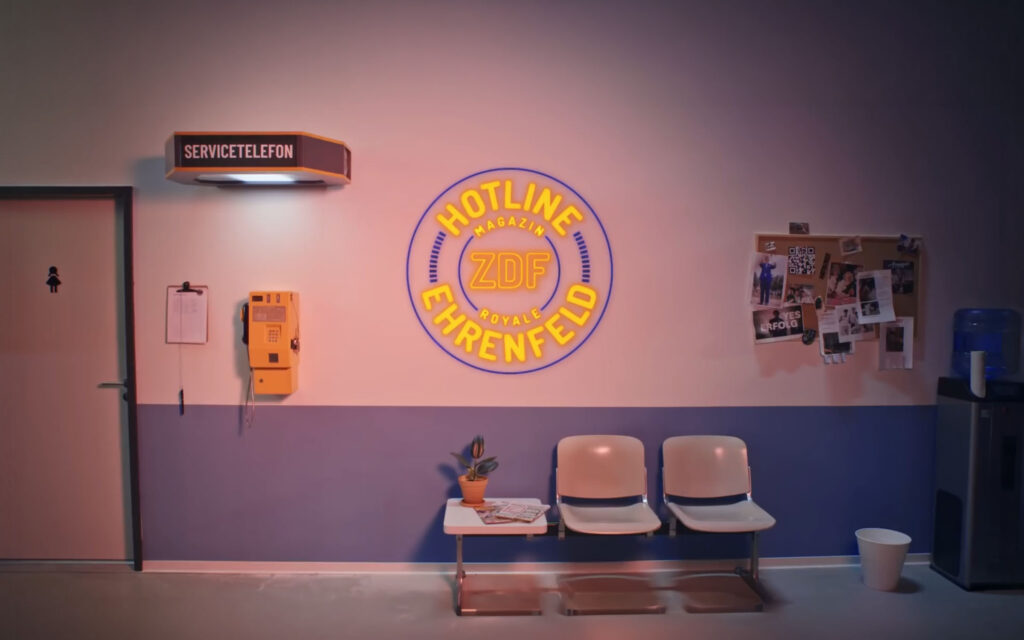
ZDF Magazin Royale – Hotline Ehrenfeld
ZDF Magazin Royale – Hotline Ehrenfeld
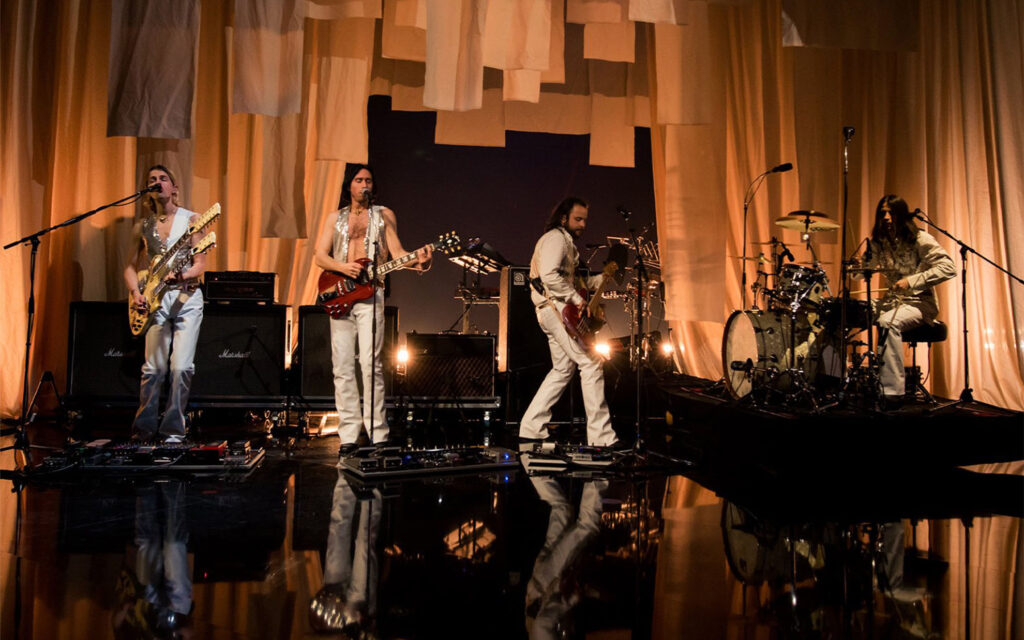
ZDF Magazin Royale – Bilderbuch ft. RTO
ZDF Magazin Royale – Bilderbuch ft. RTO
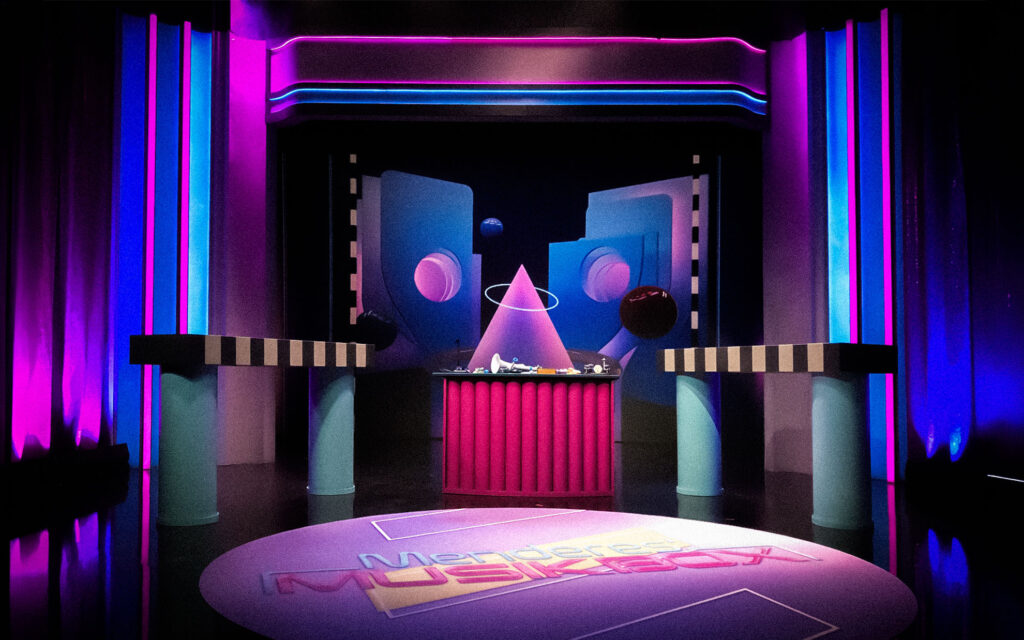
ZDF Magazin Royale – Musikbox