Inkubus
2025
Client
Hamburg Media School
Visual Concept
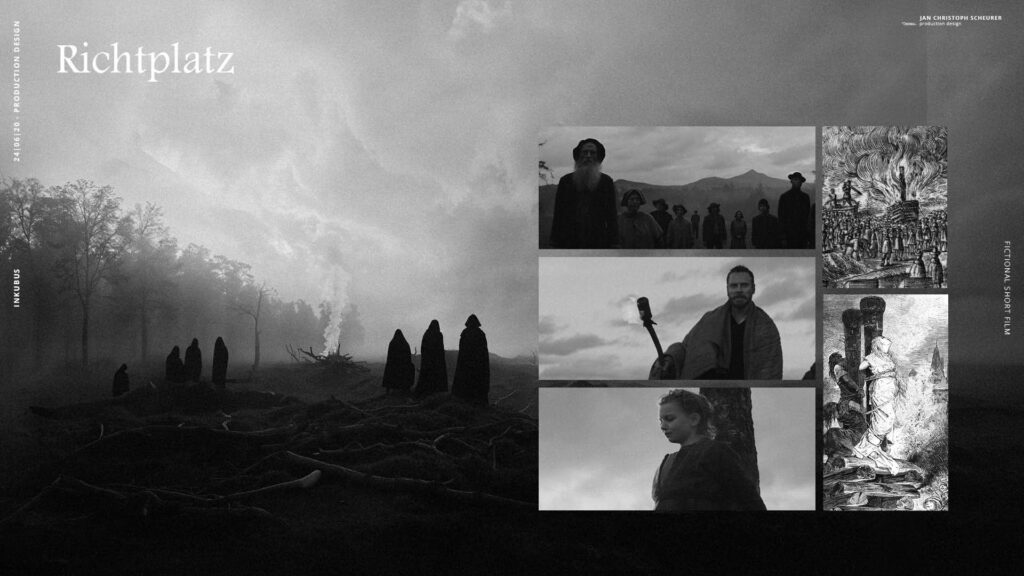
Inkubus Set in 17th-century Germany, Inkubus, directed by Reza Sam Mosadegh, unfolds as a claustrophobic chamber piece shaped by patriarchal dominance and ecclesiastical terror. Hildegard’s marriage binds her to a rigid rural order where control is exercised through faith and fear. When Agnes draws the Inquisition’s attention, the private sphere collapses into persecution. Hildegard’s journey becomes one of quiet defiance, as survival demands she confront both external violence and her own internalized submission.
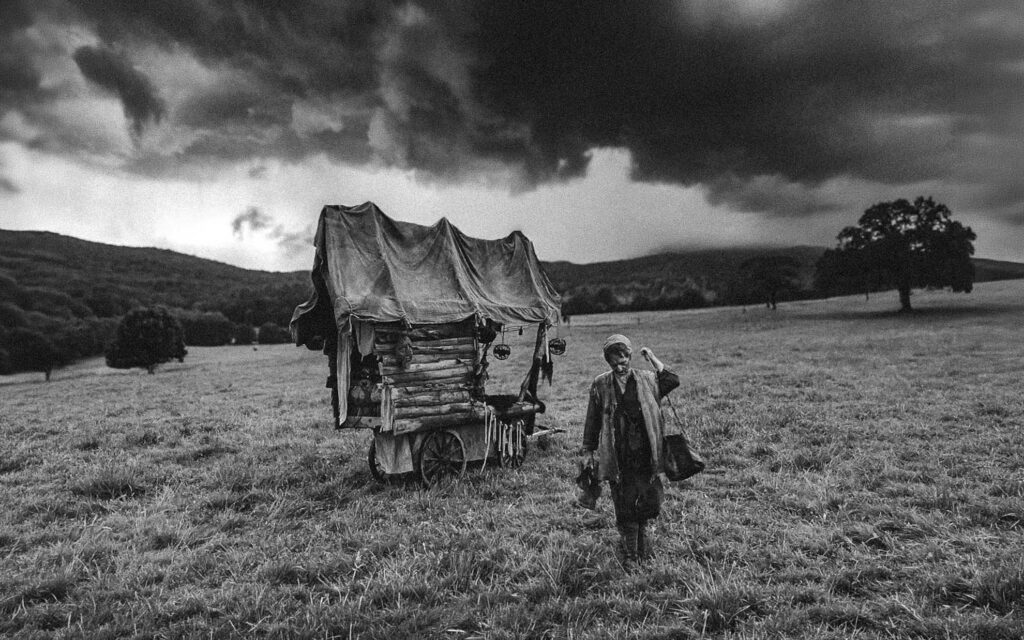
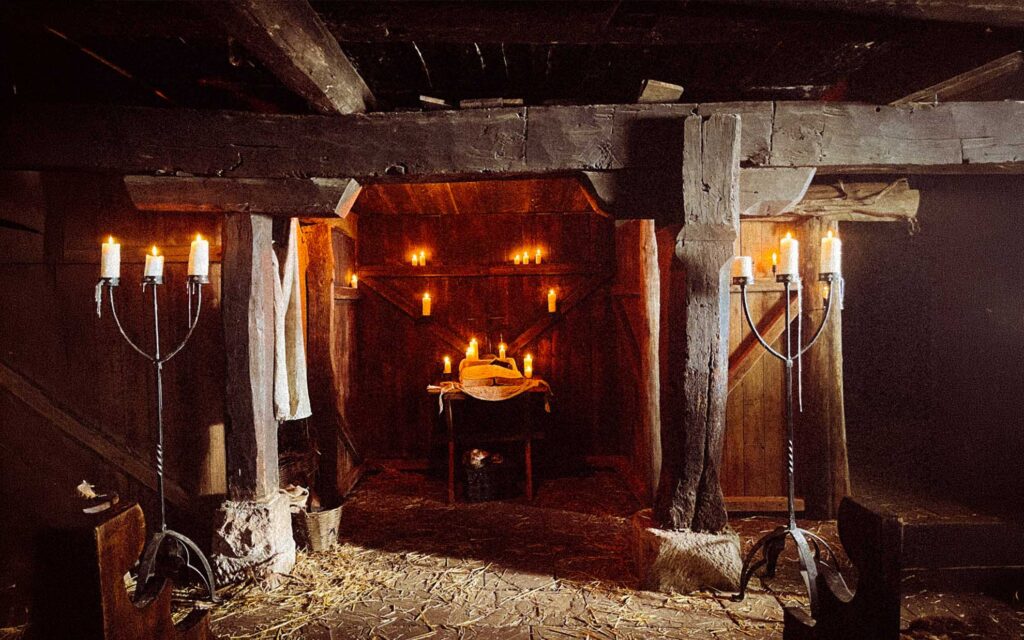
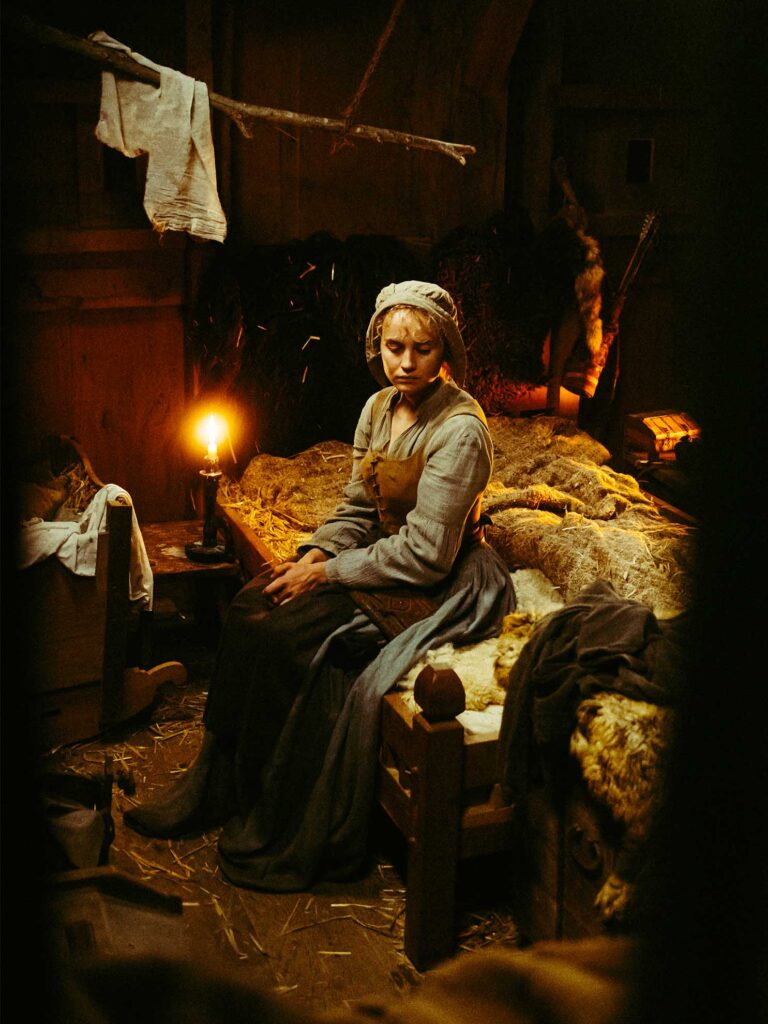
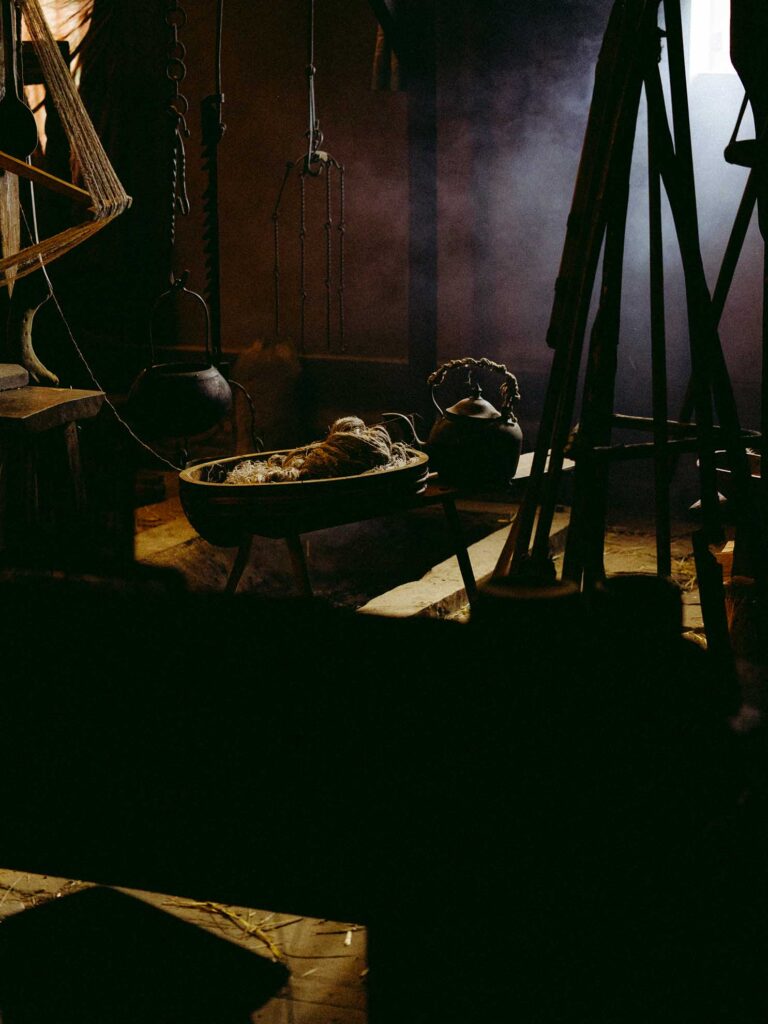
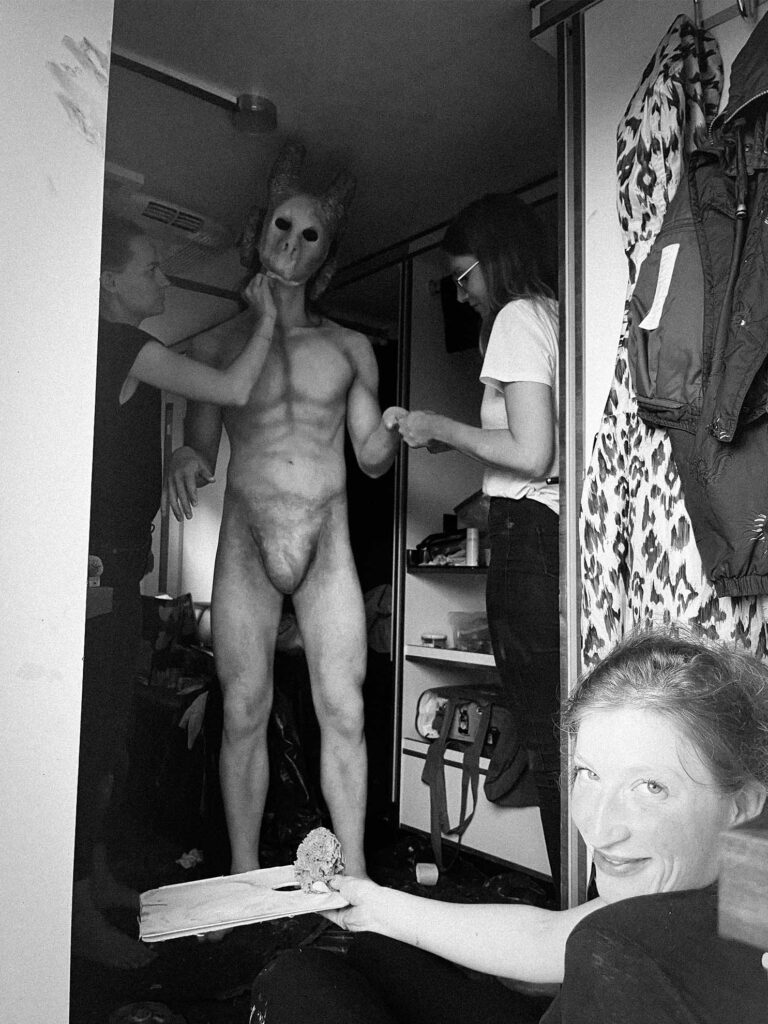
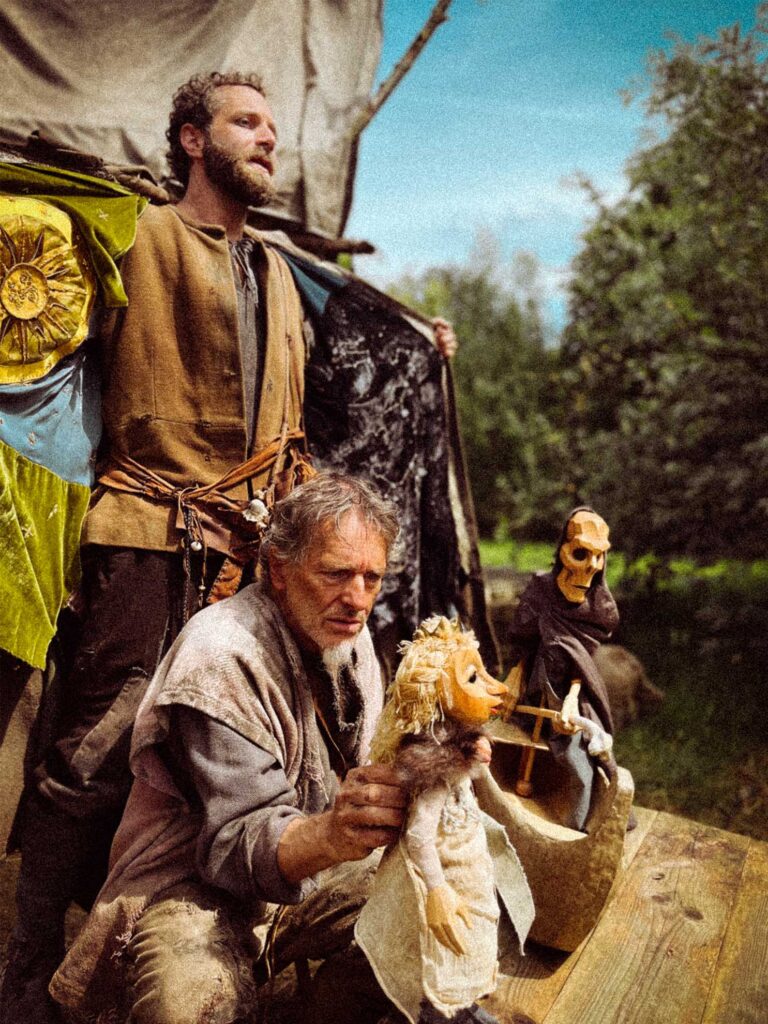
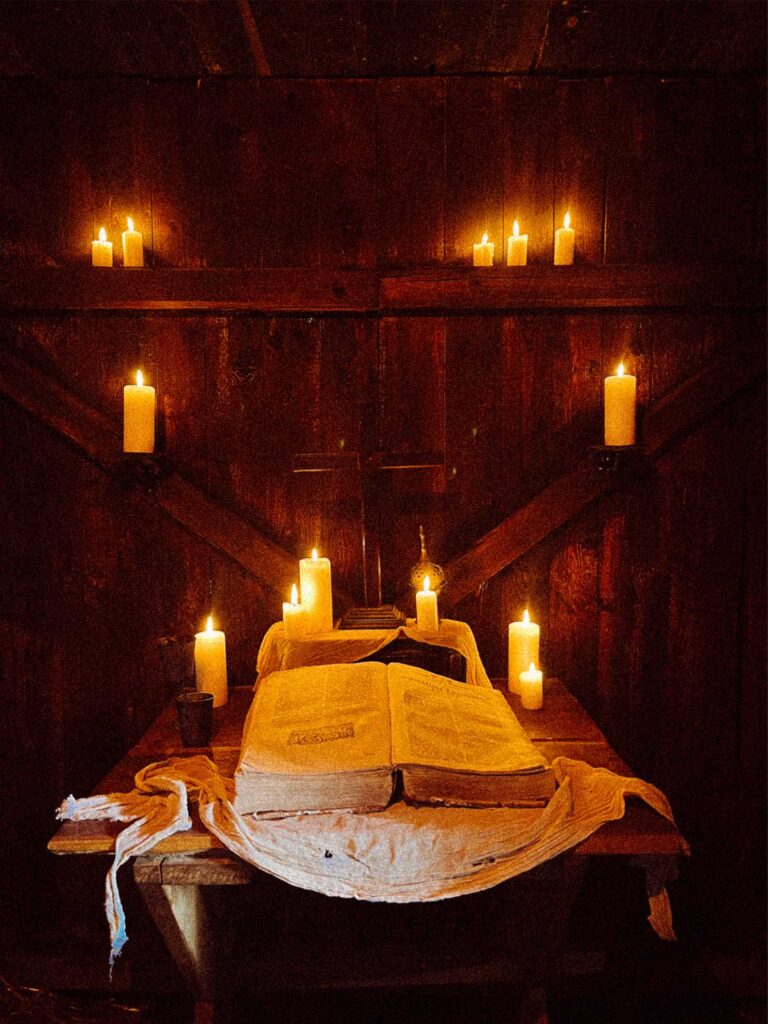
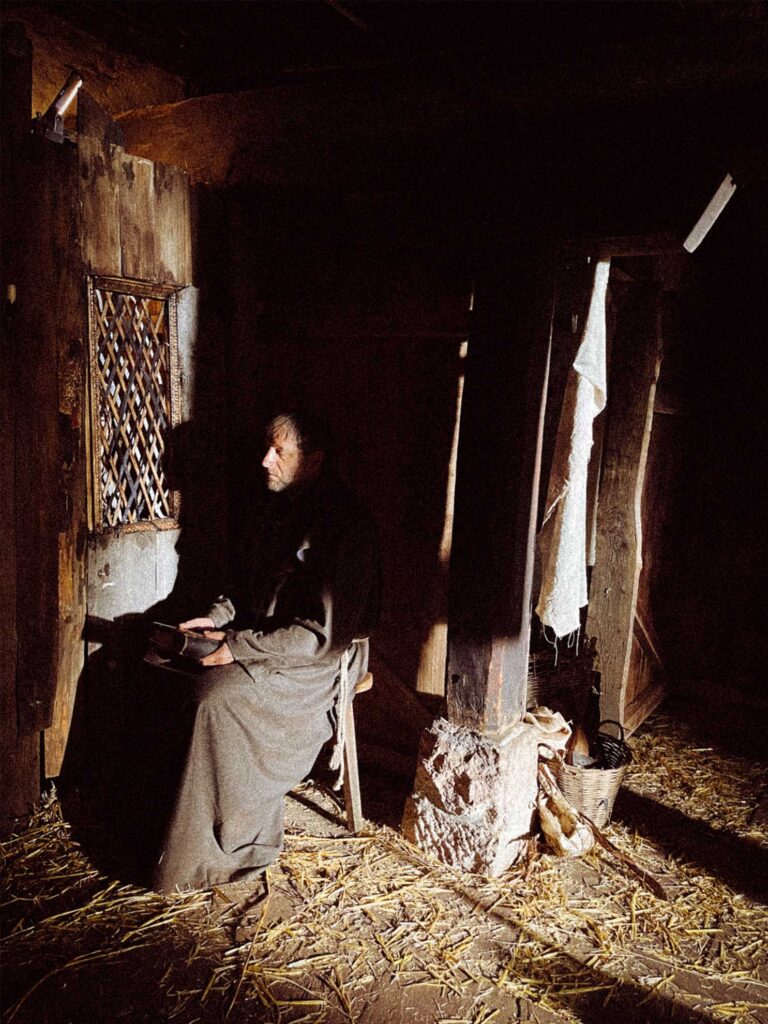
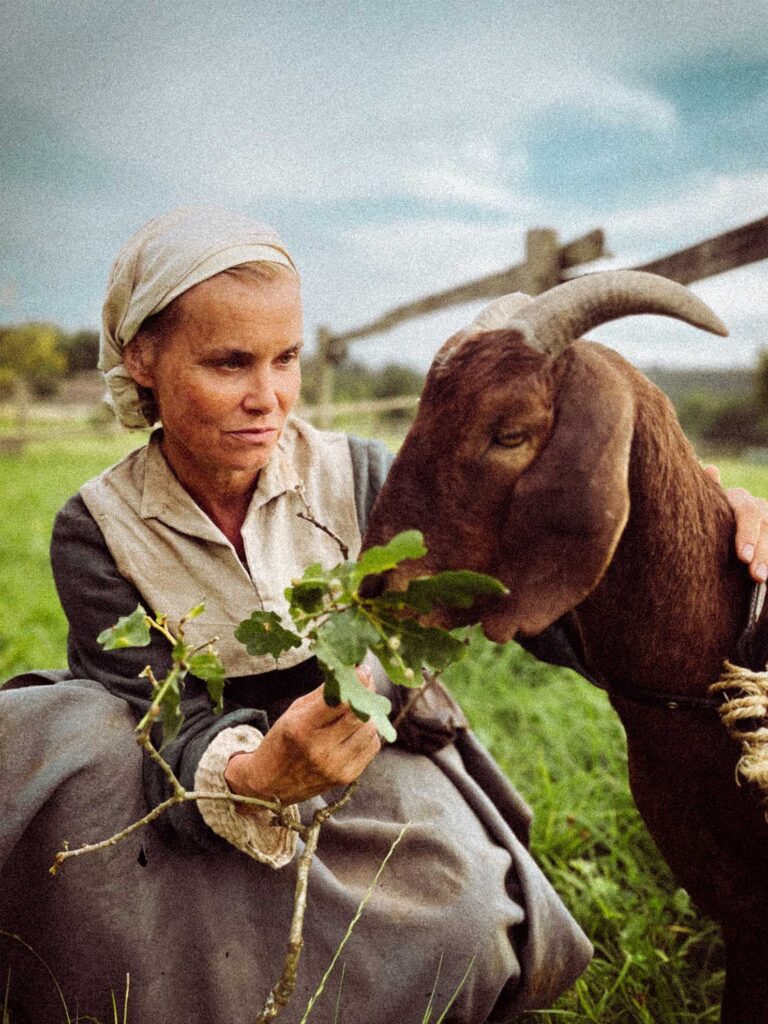
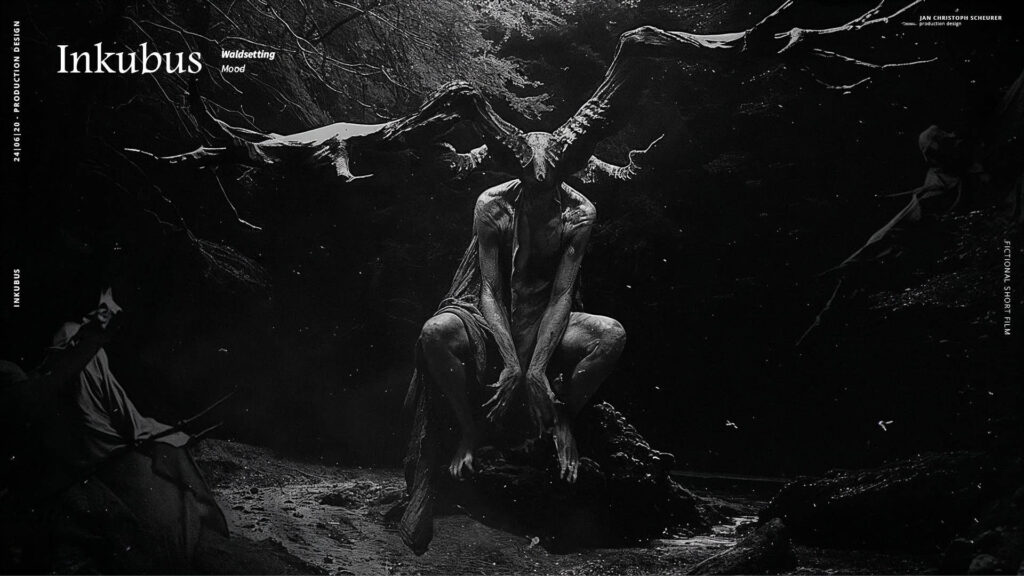
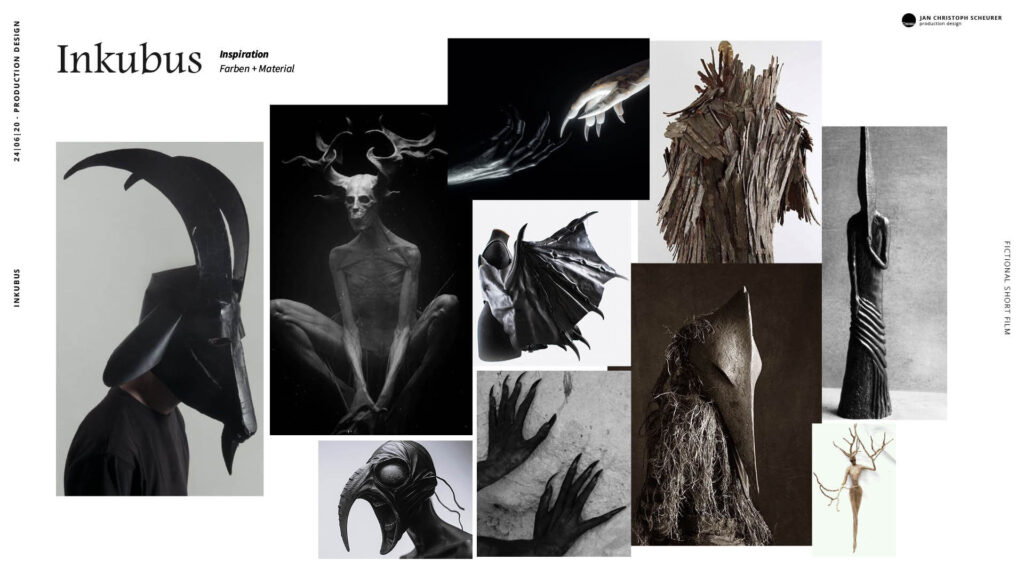
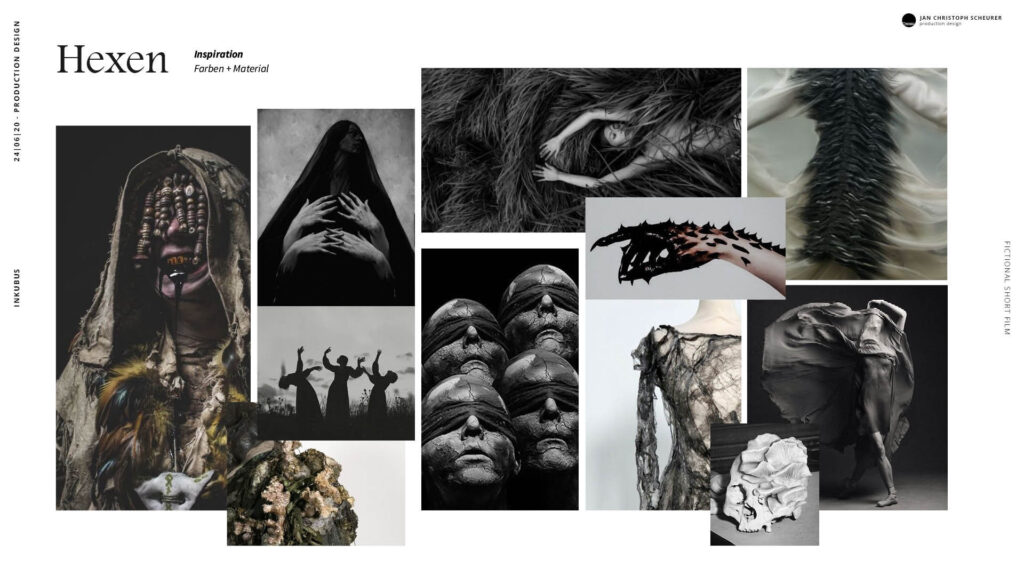
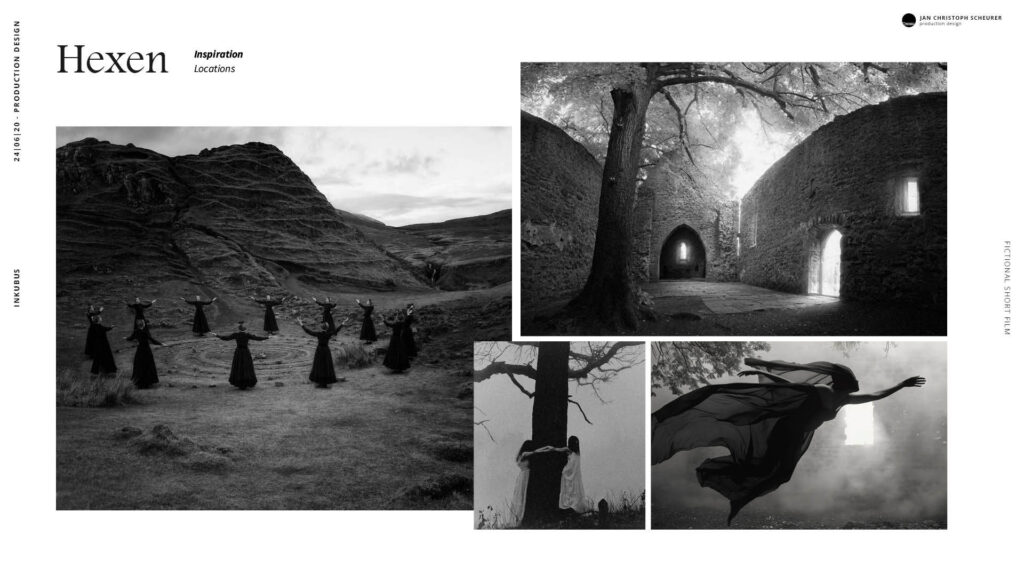
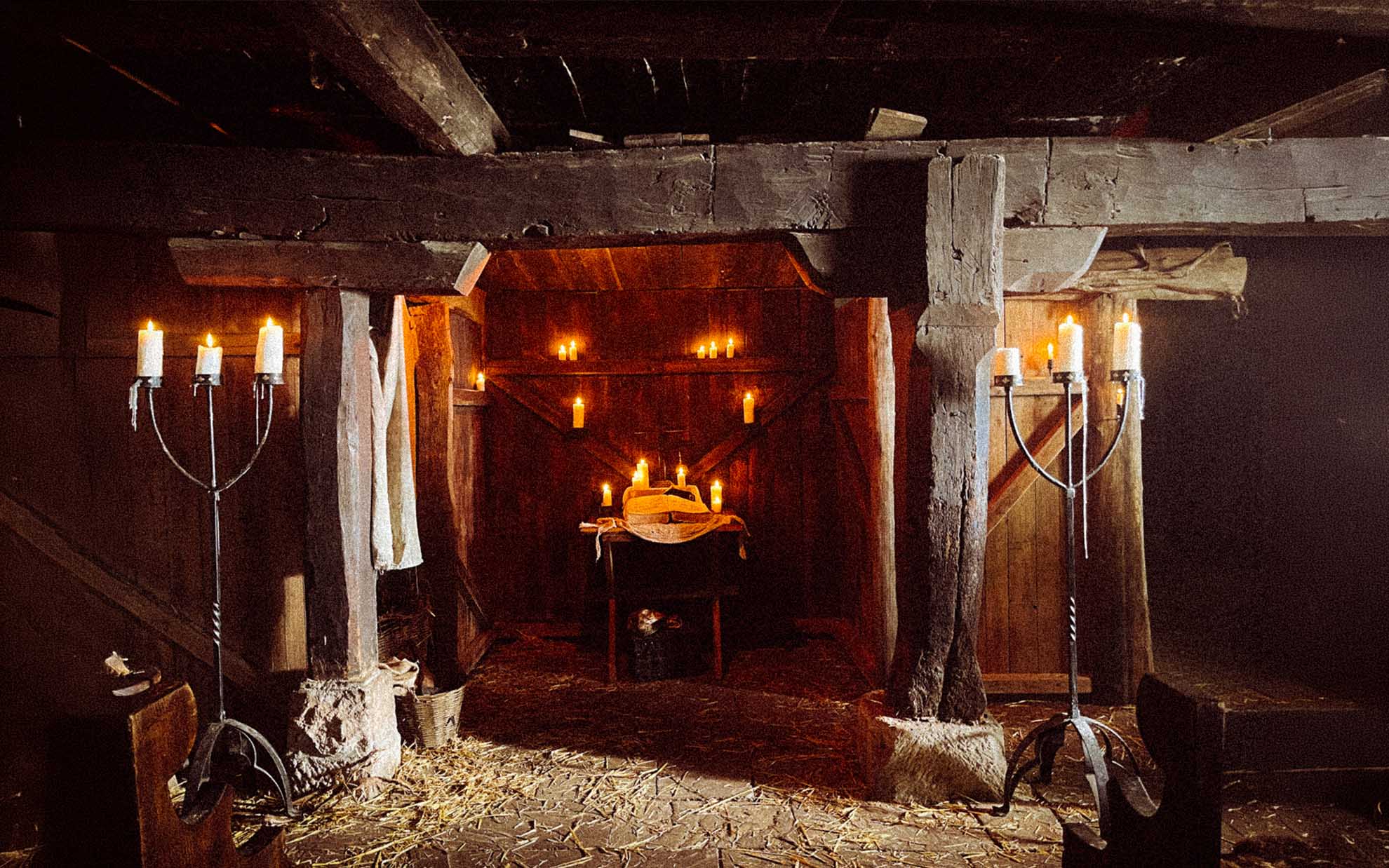
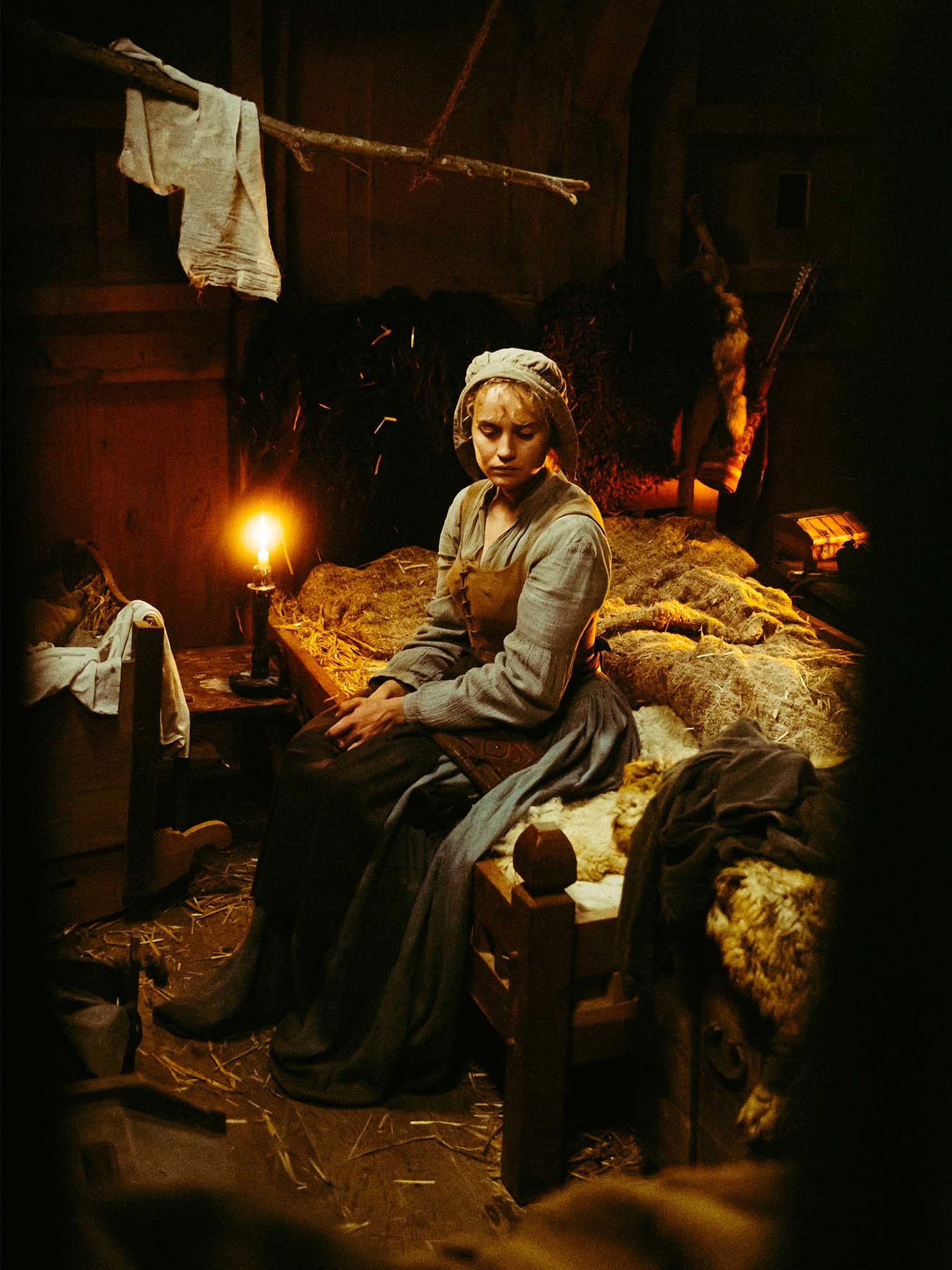
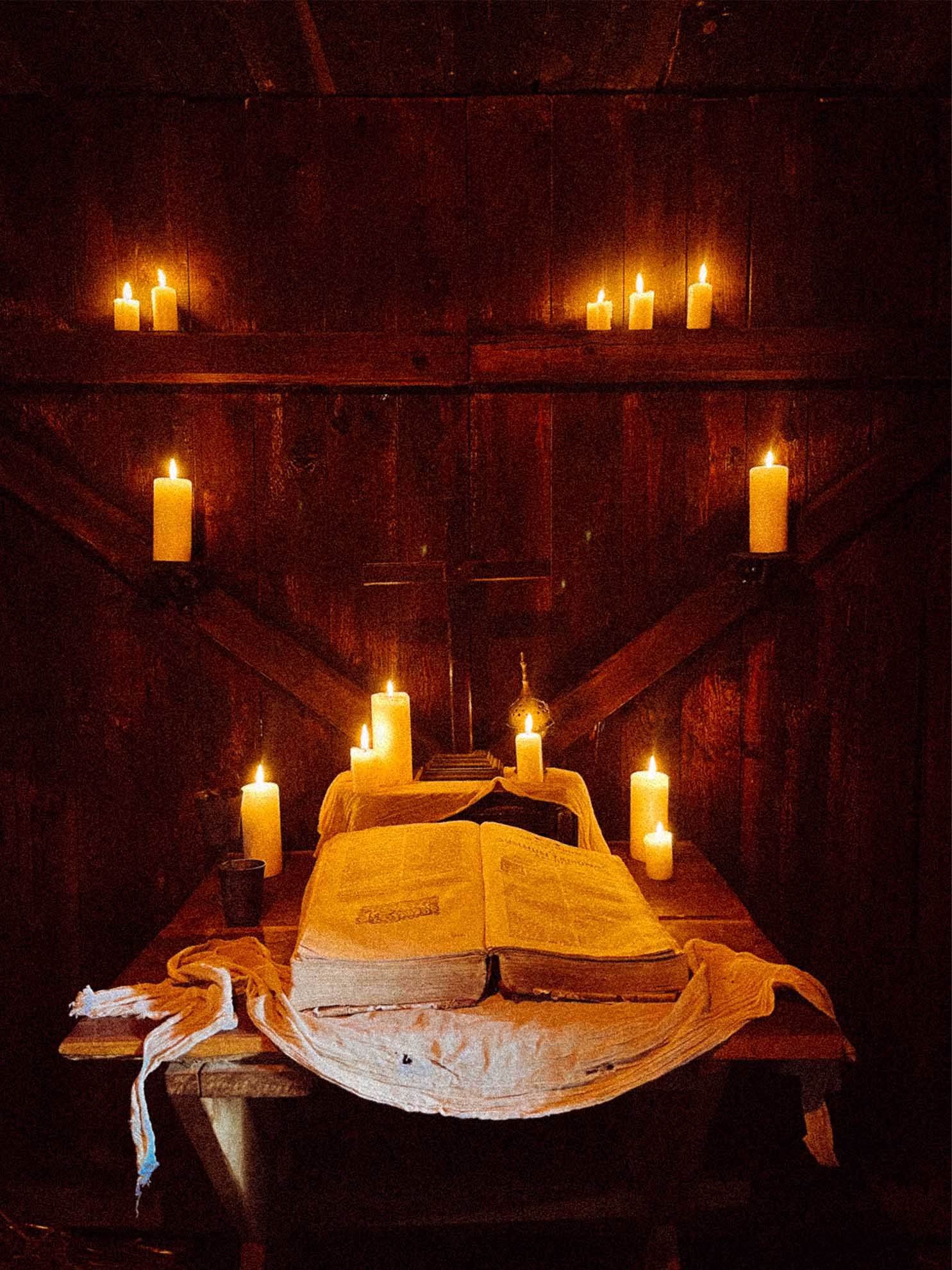
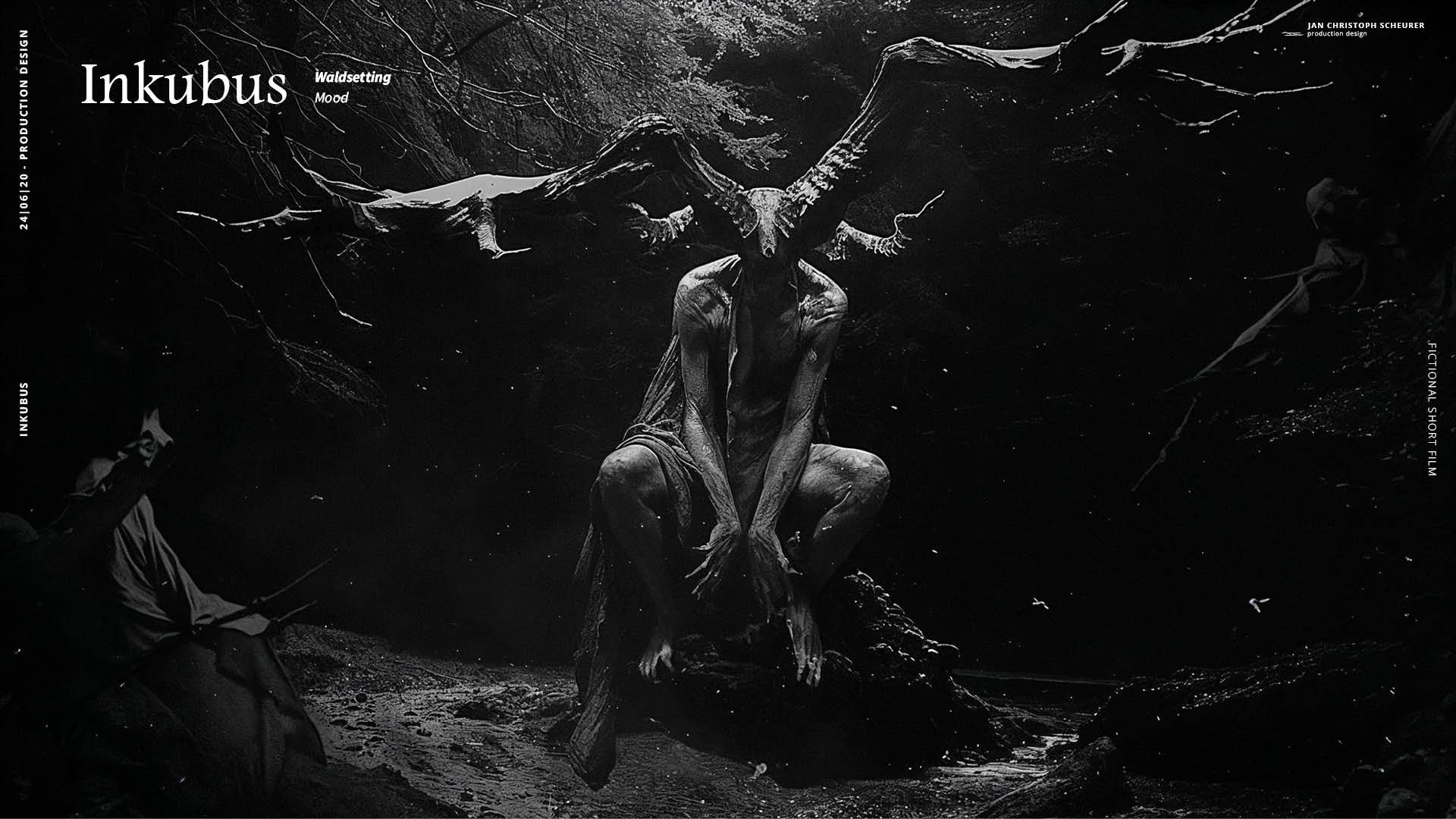
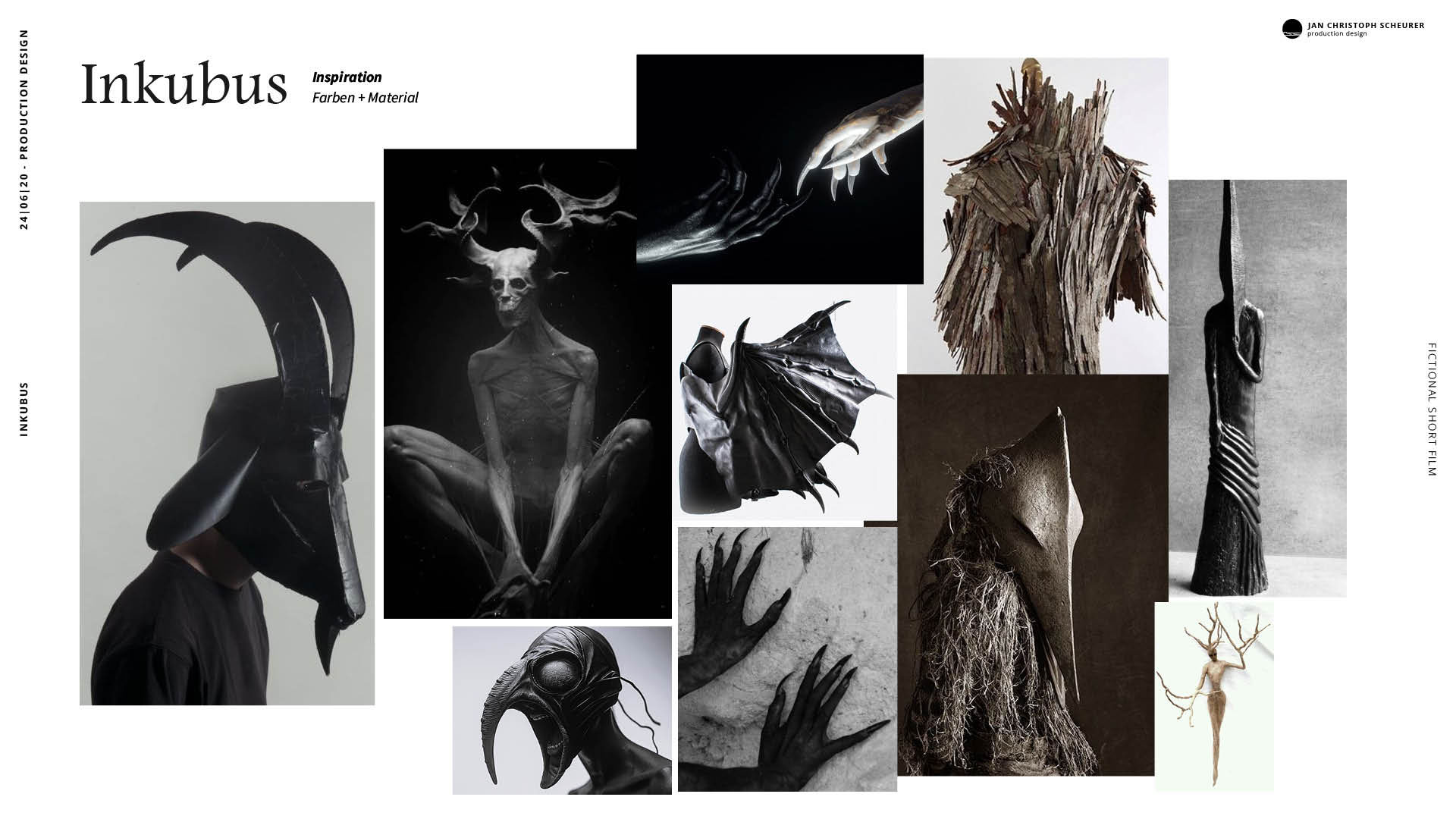
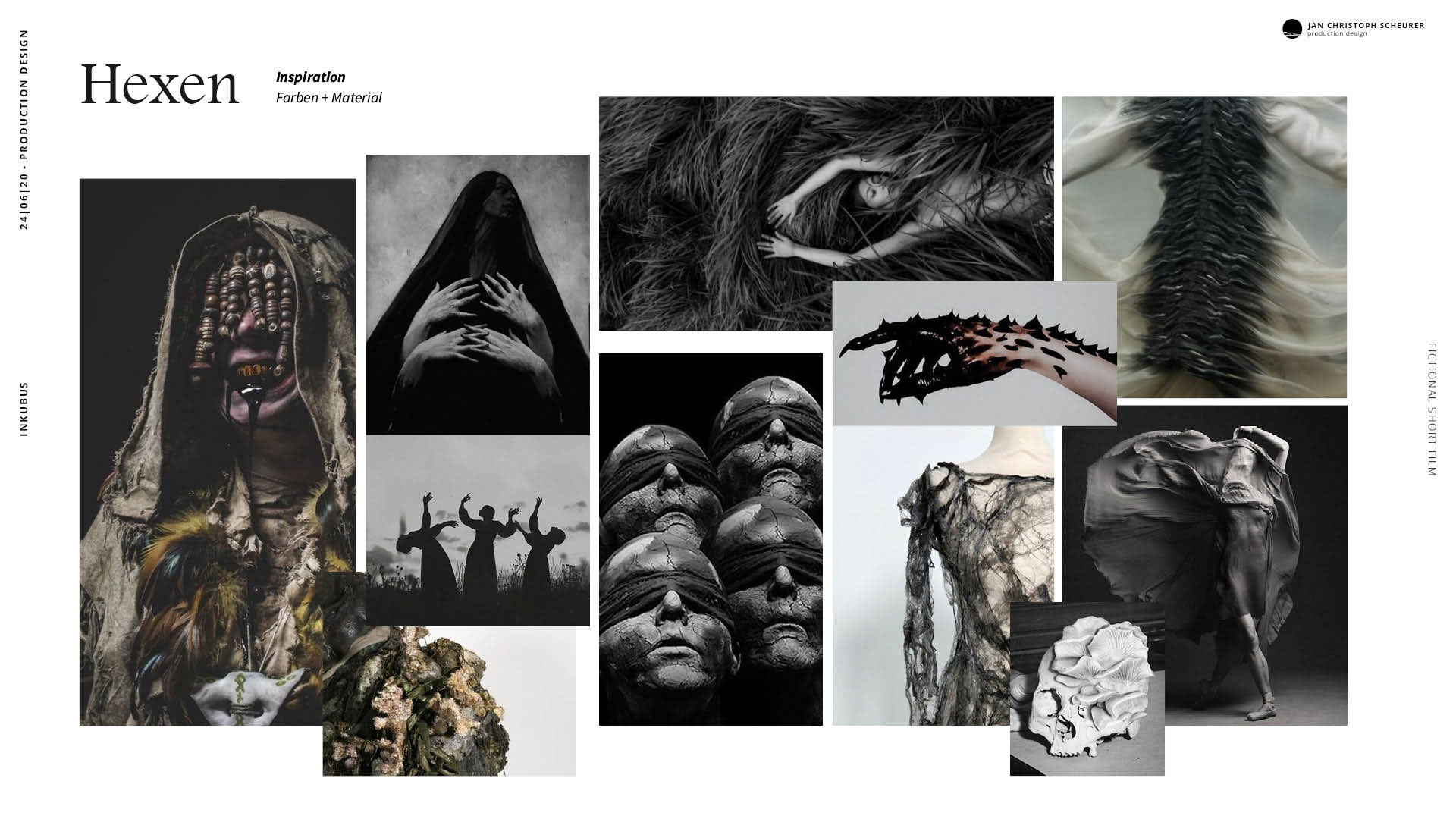
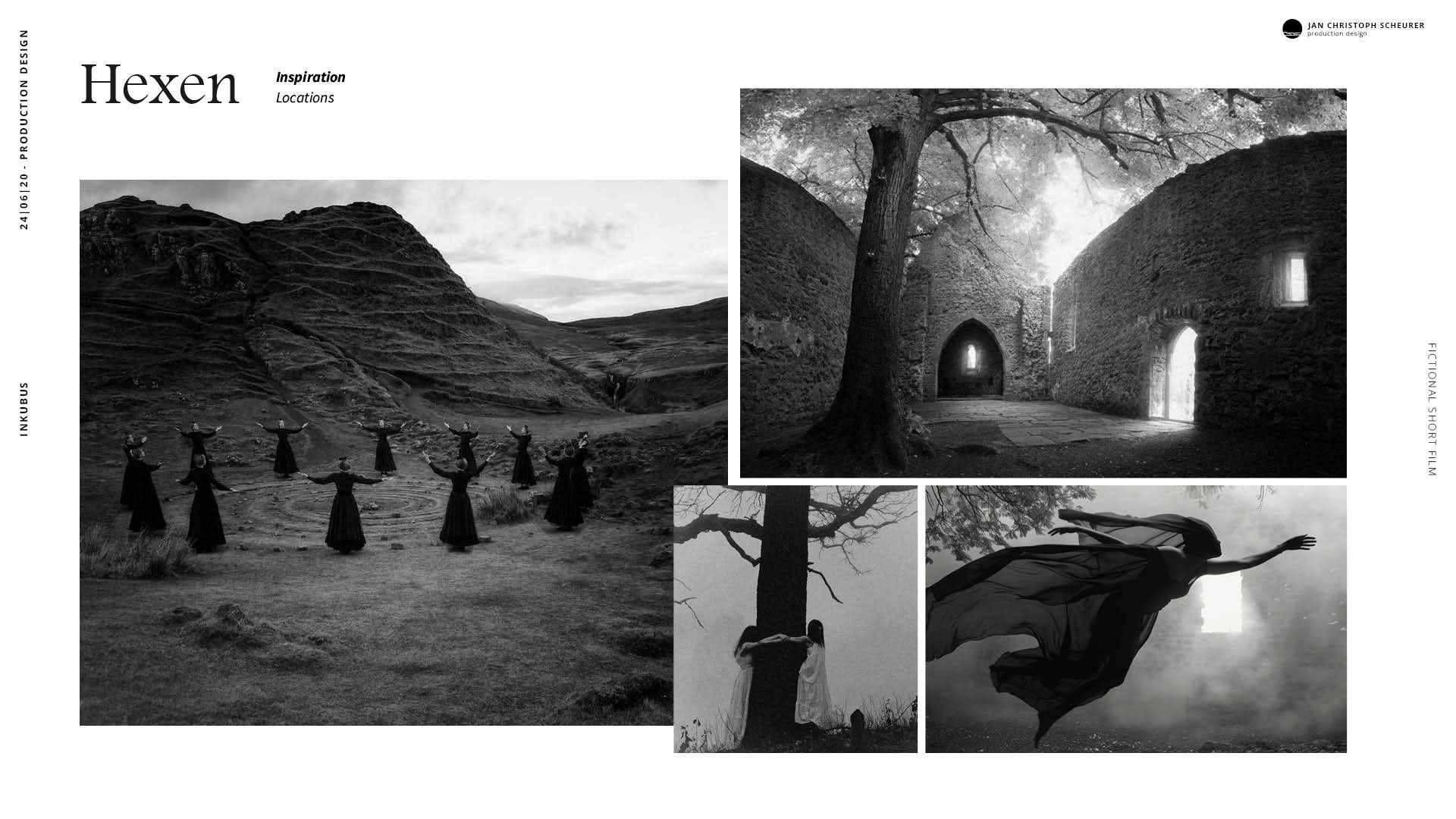
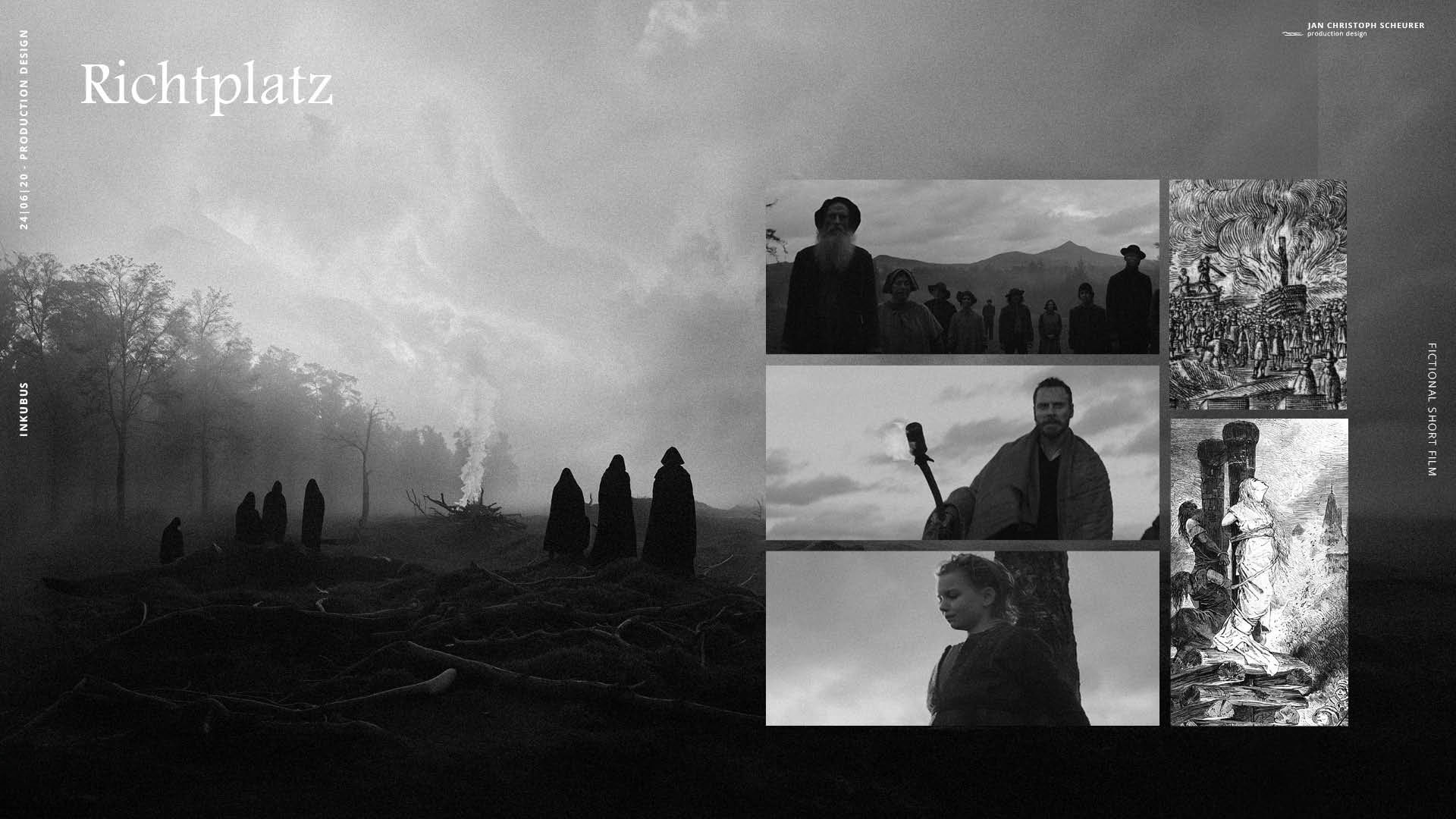
Visually, the film speaks in textures rather than statements: dim candlelight carving fragile islands of warmth within engulfing darkness, wood and straw absorbing histories of labor and silence. Figures appear suspended between earth and shadow, as if reality itself were porous. The imagery suggests a world where belief manifests physically, where oppression lingers like smoke, and the unseen presses constantly against the visible.
Set Decoration
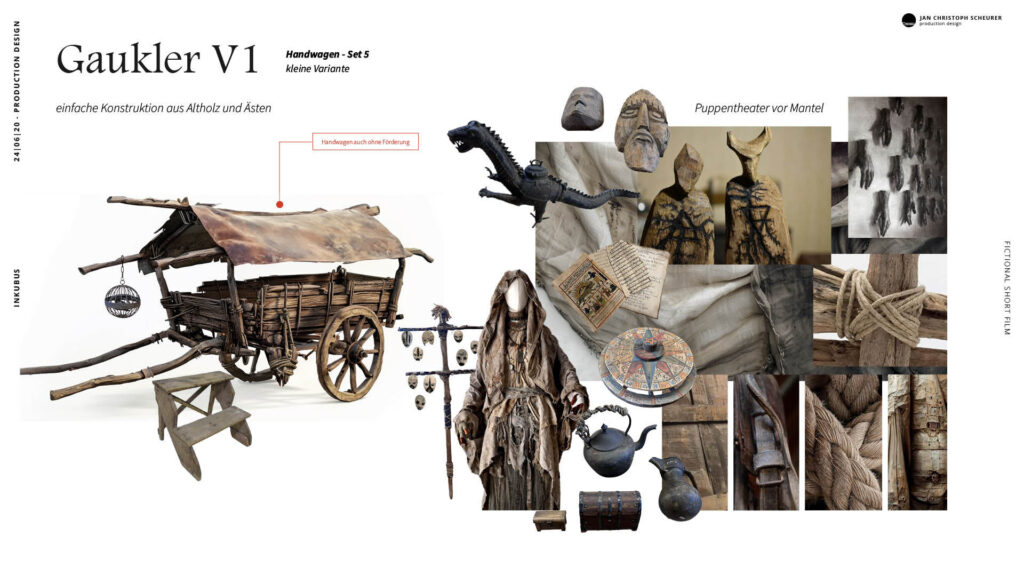
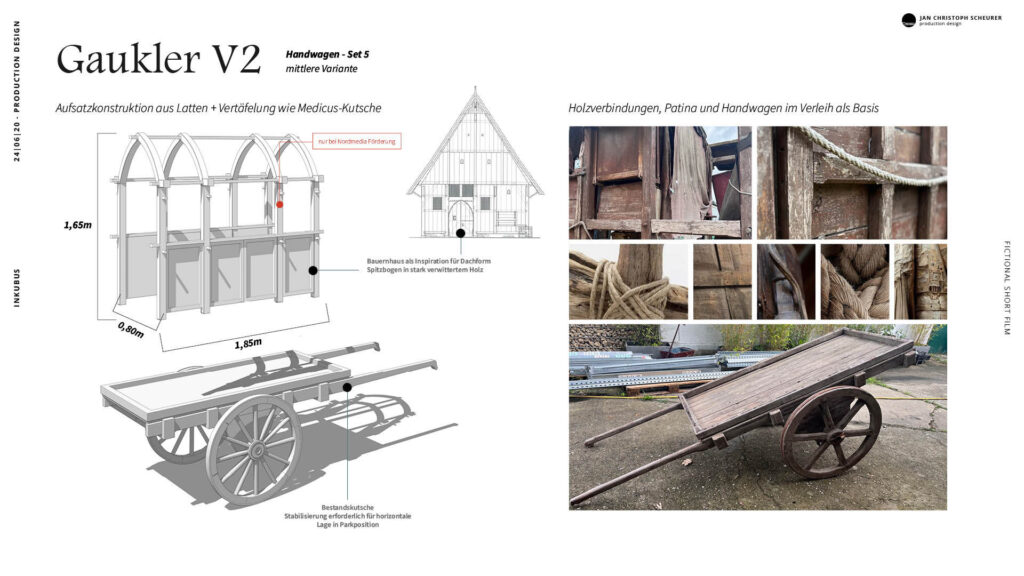
— Props Concept
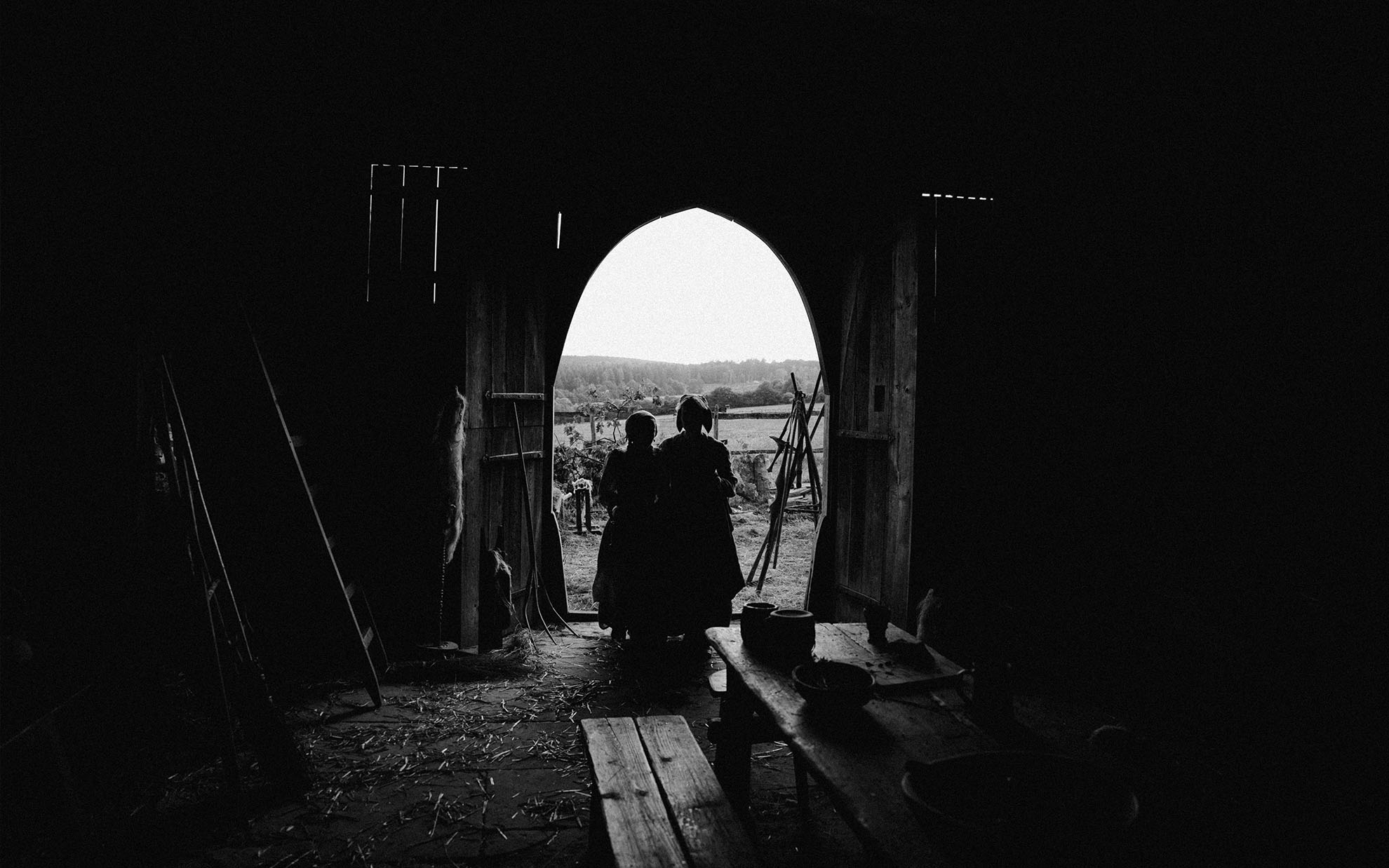
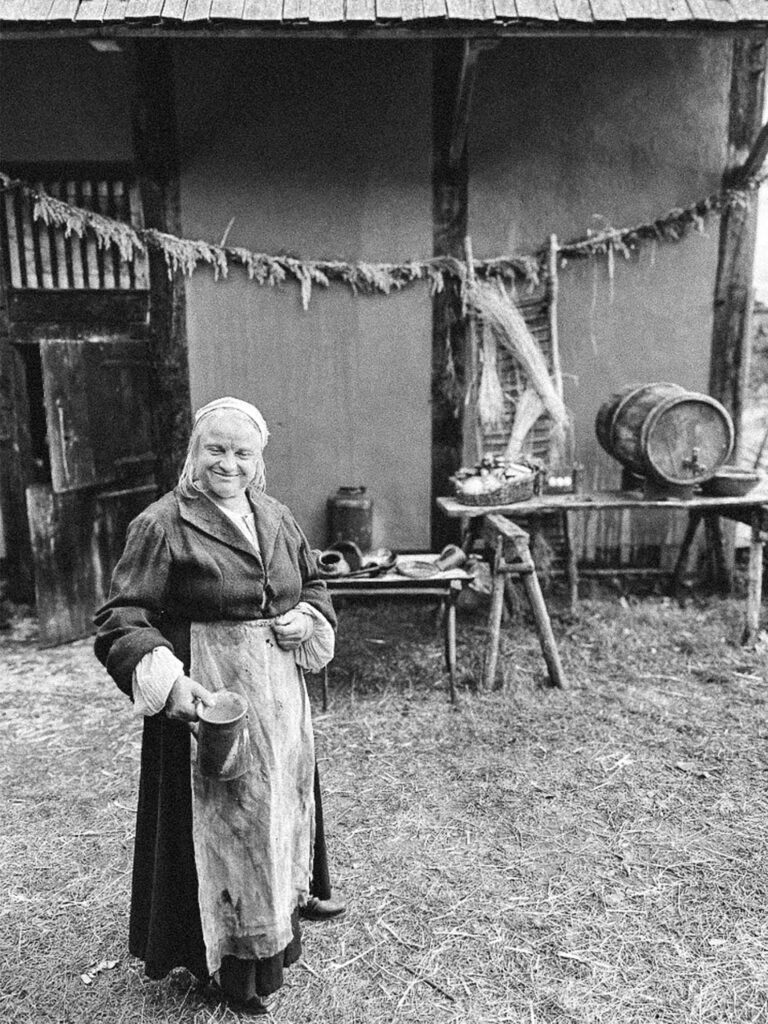
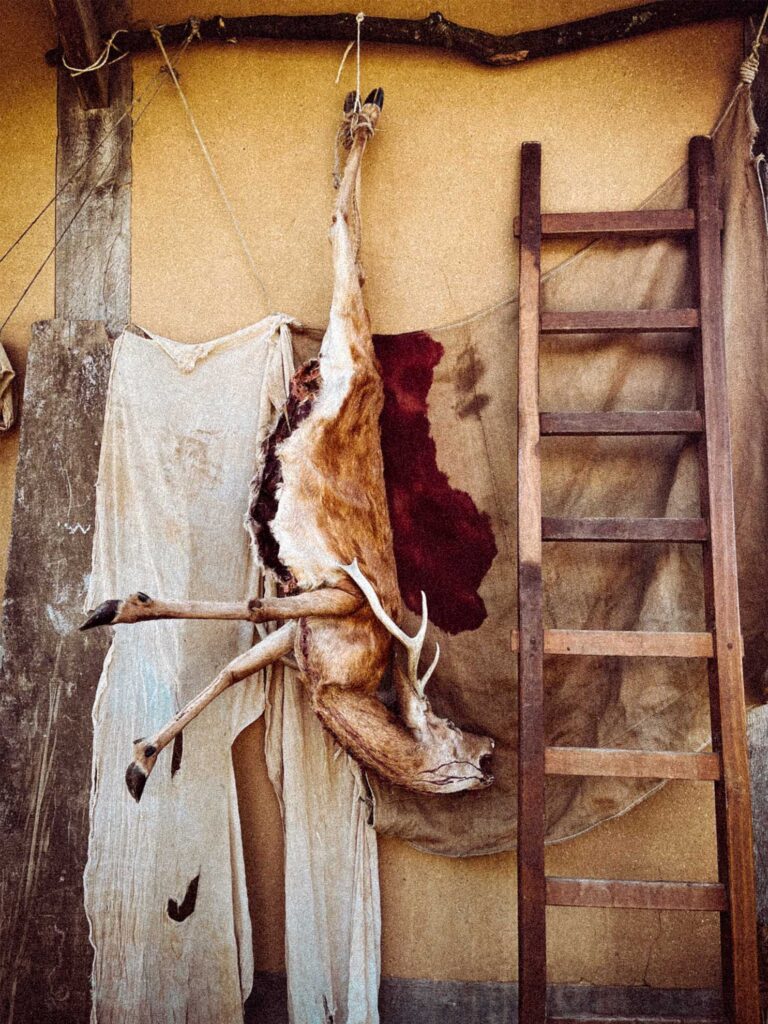
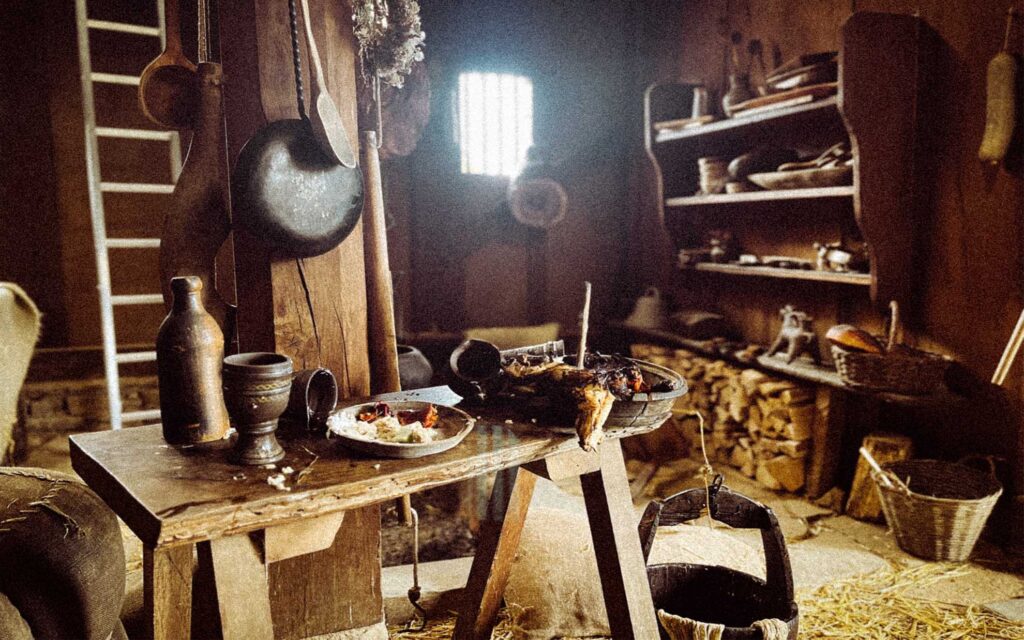
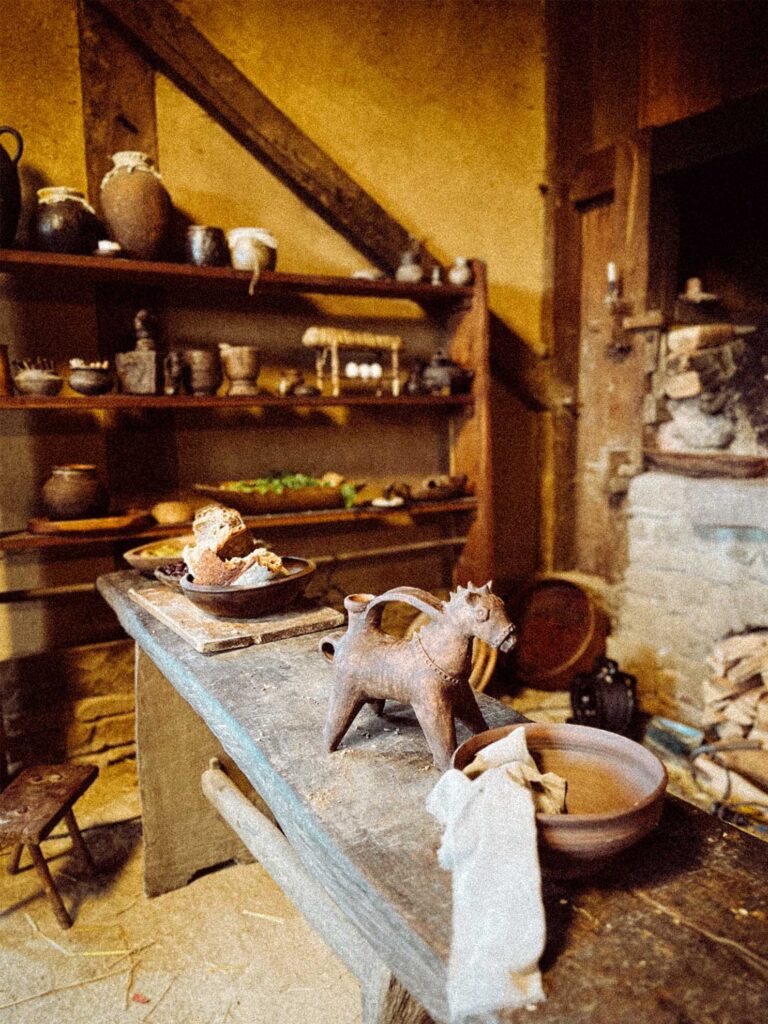
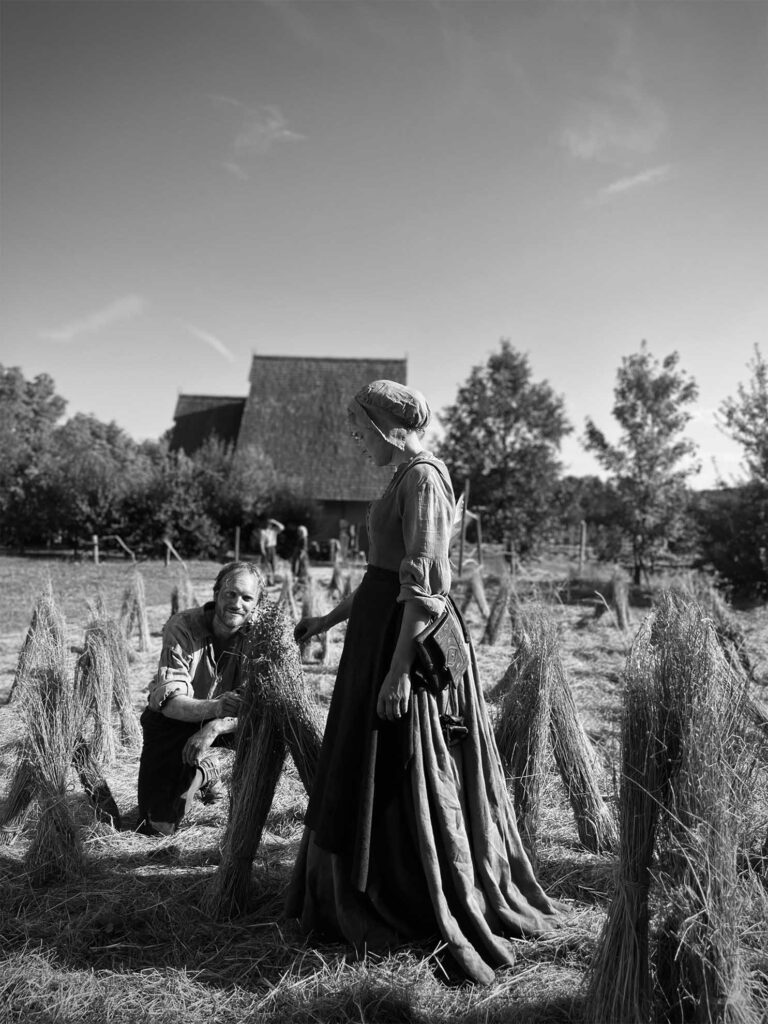
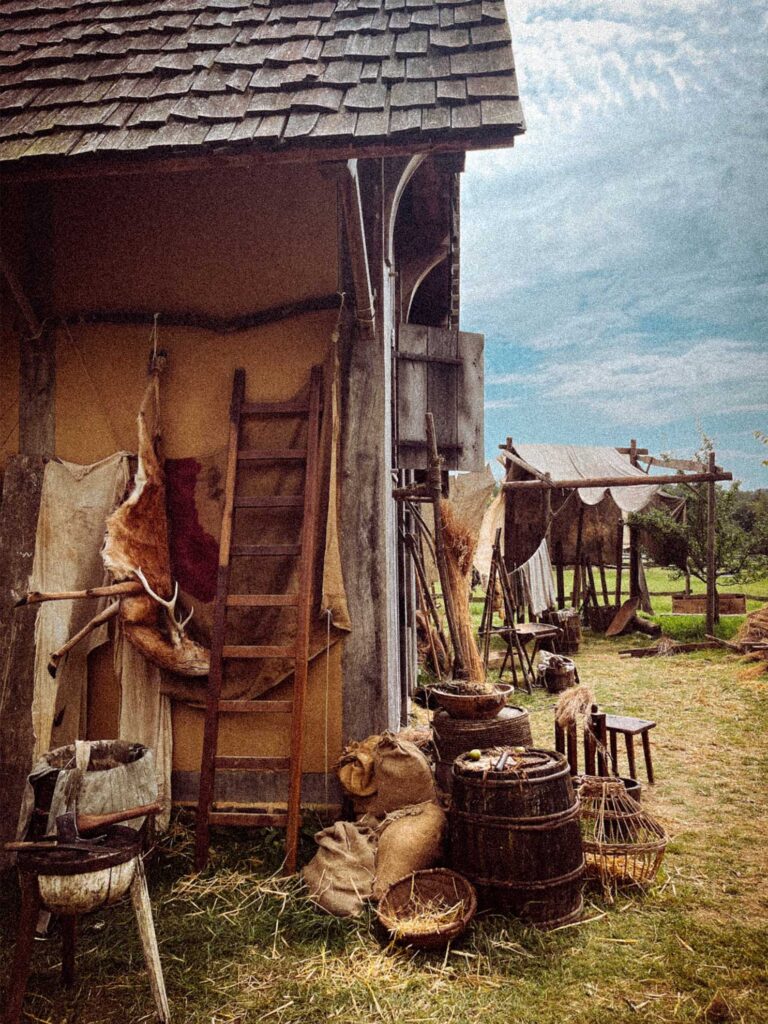
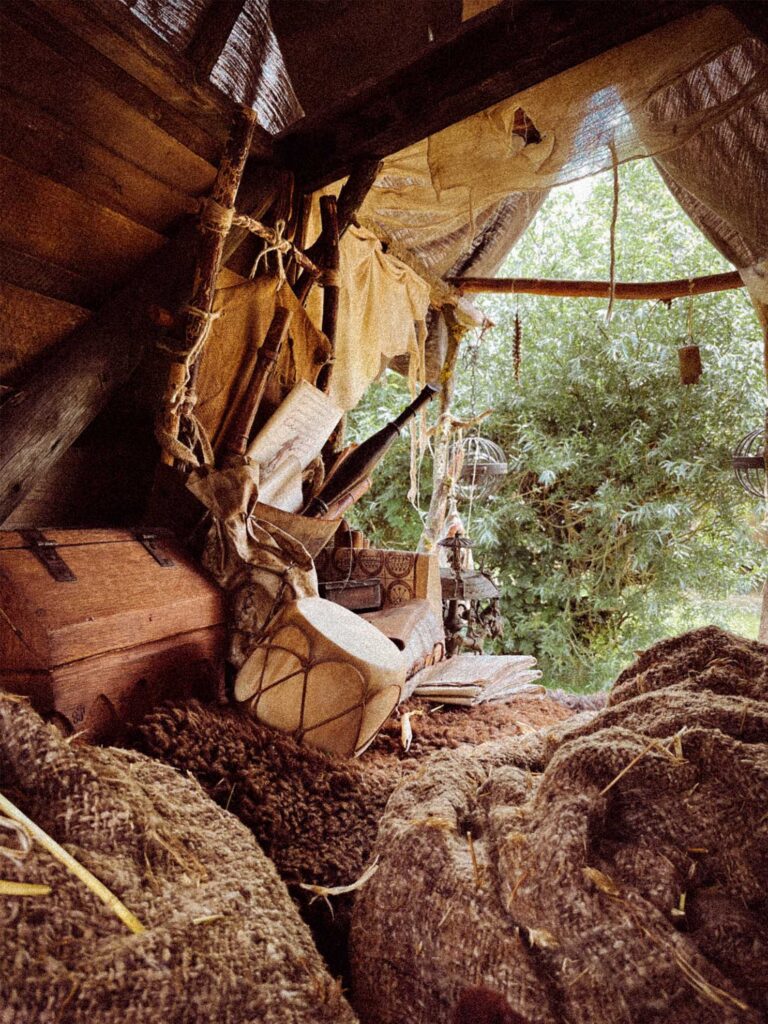
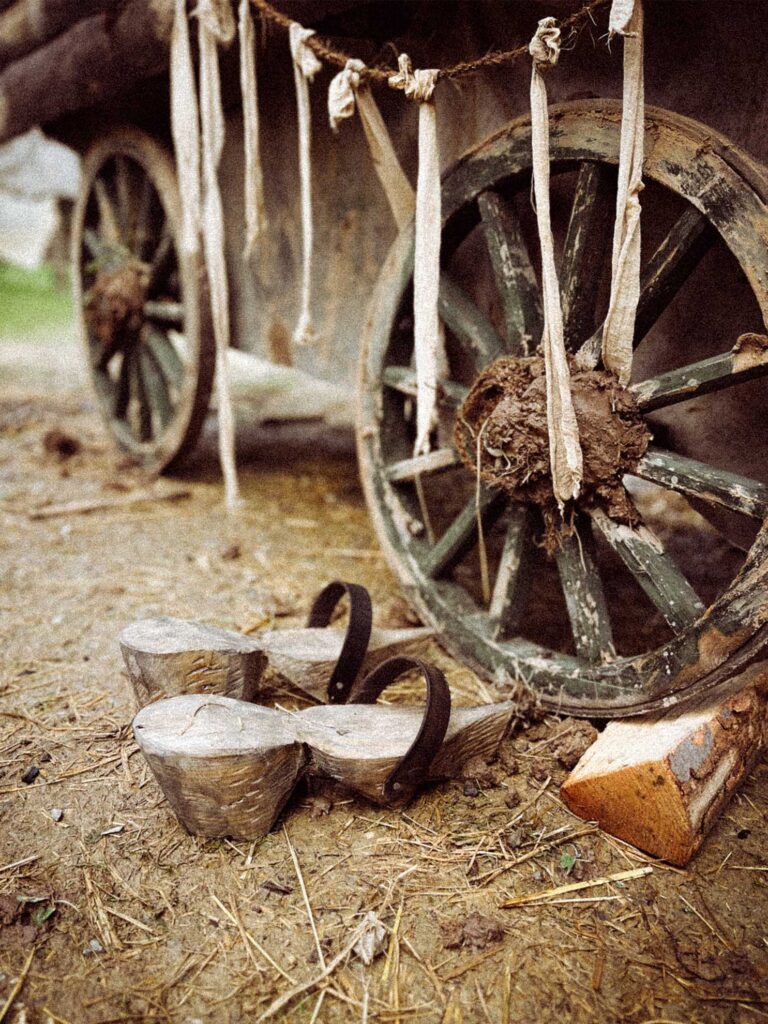
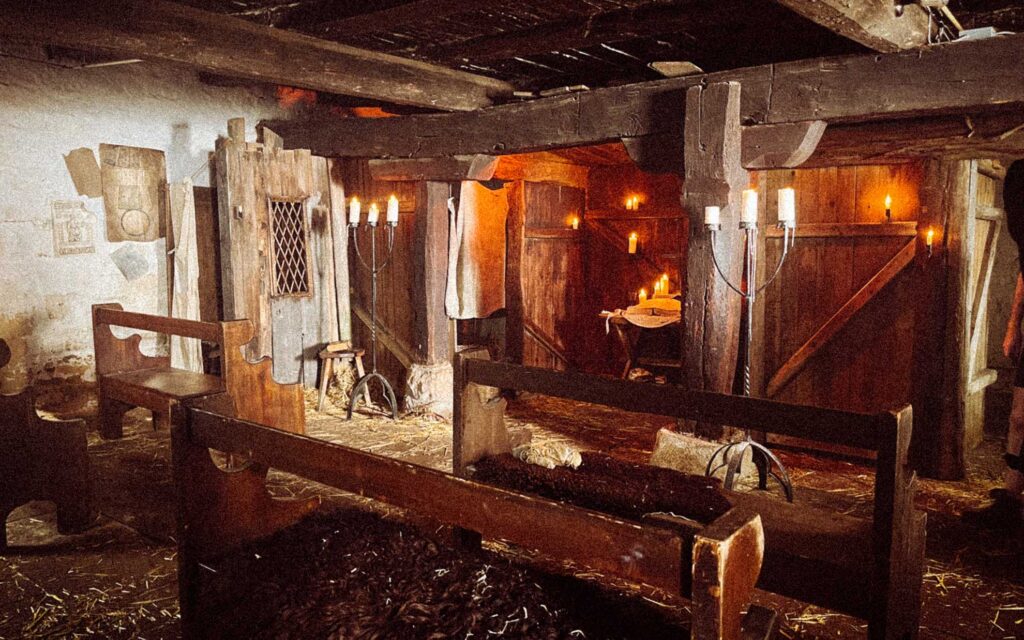
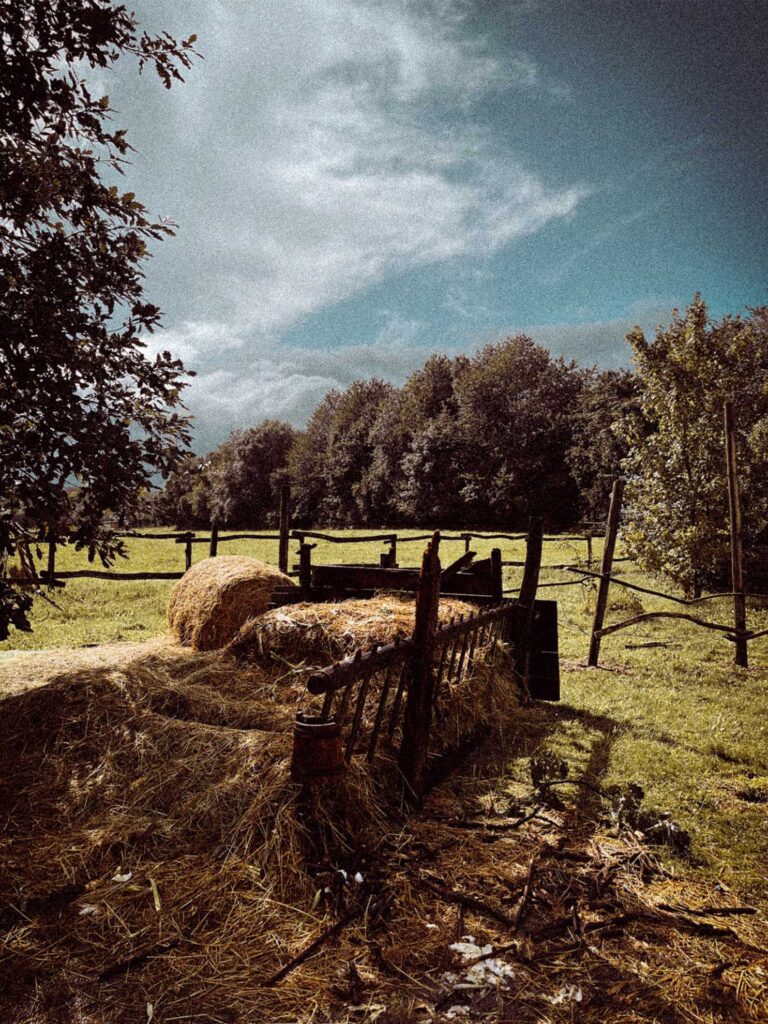
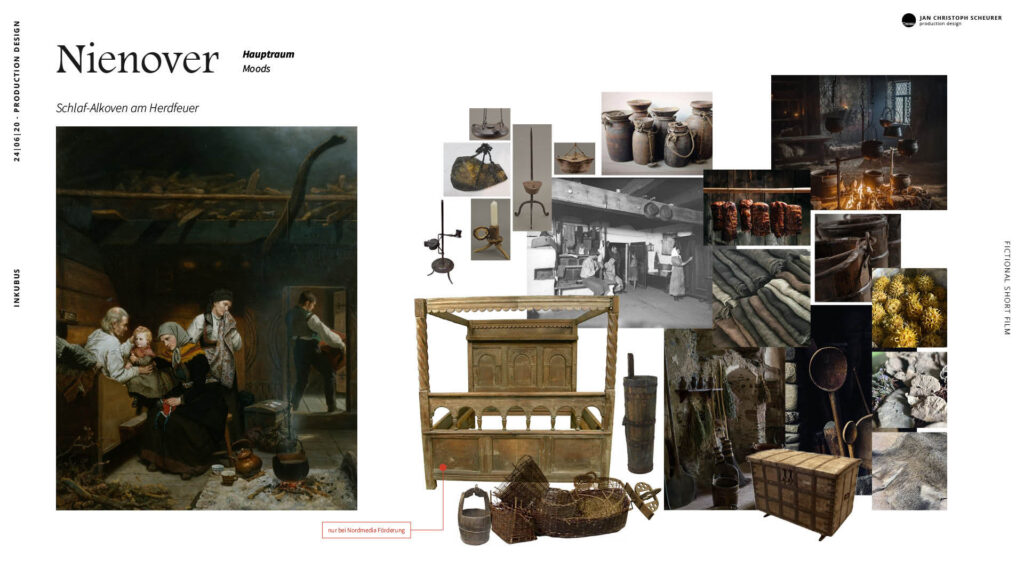
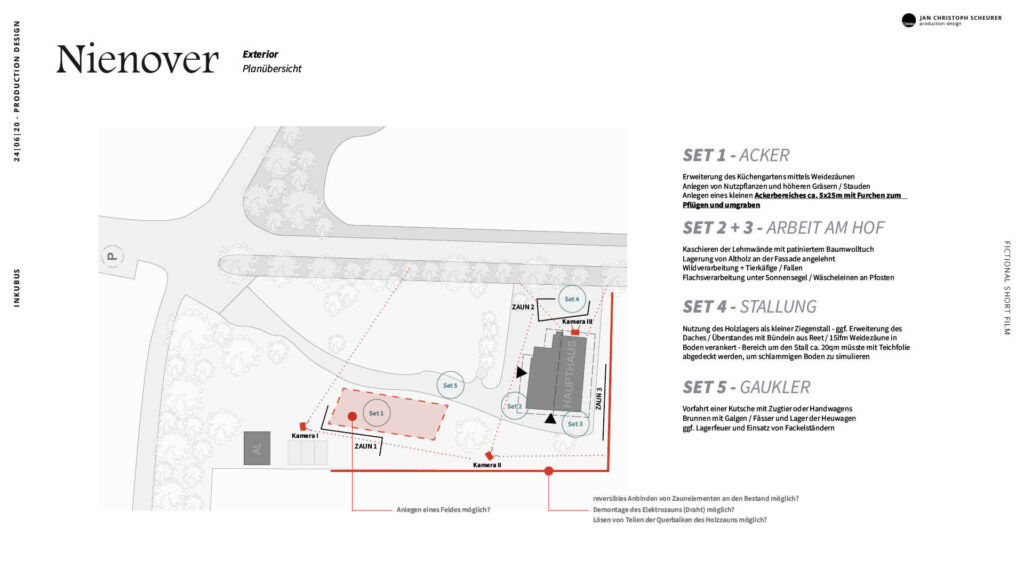
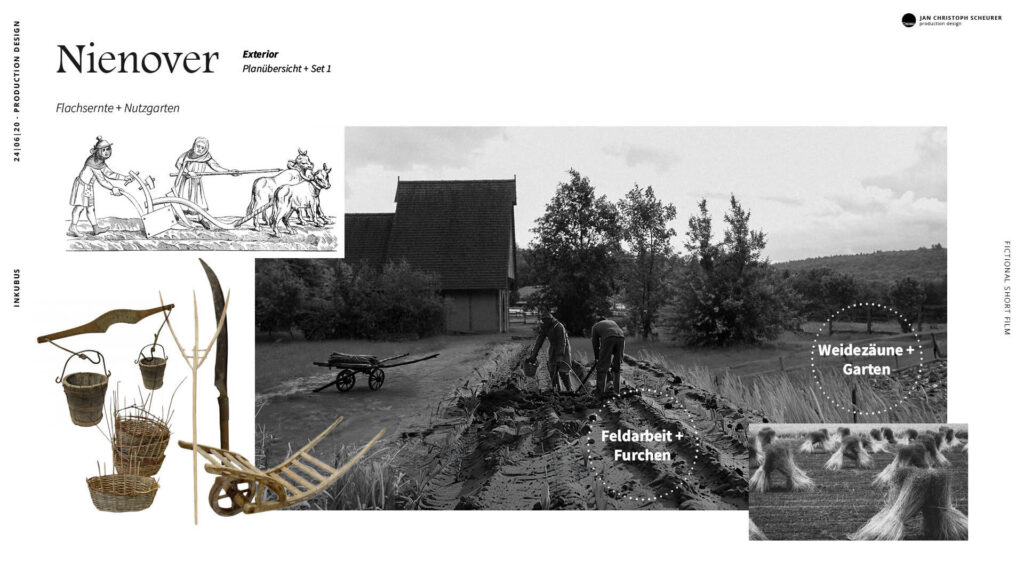
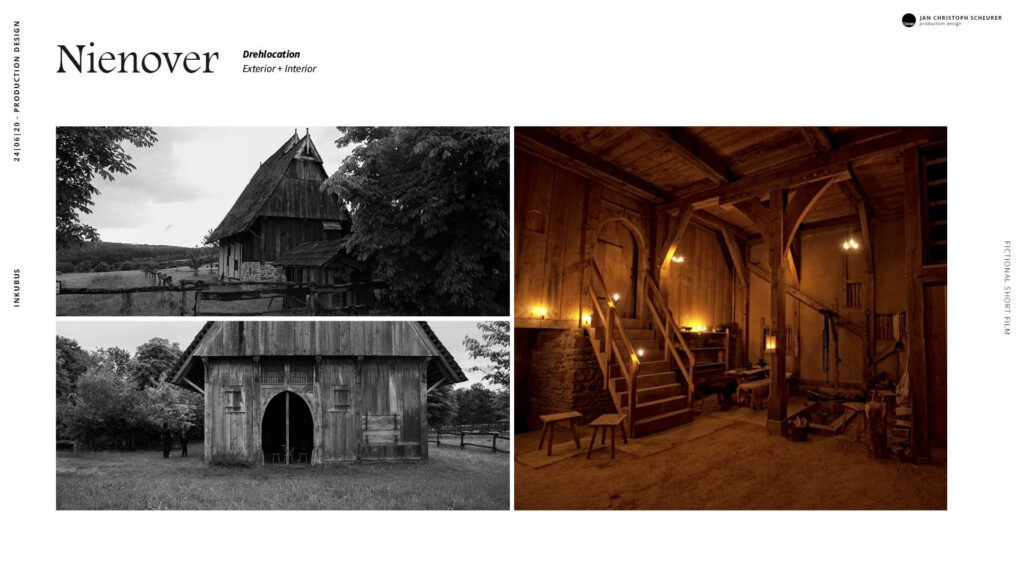
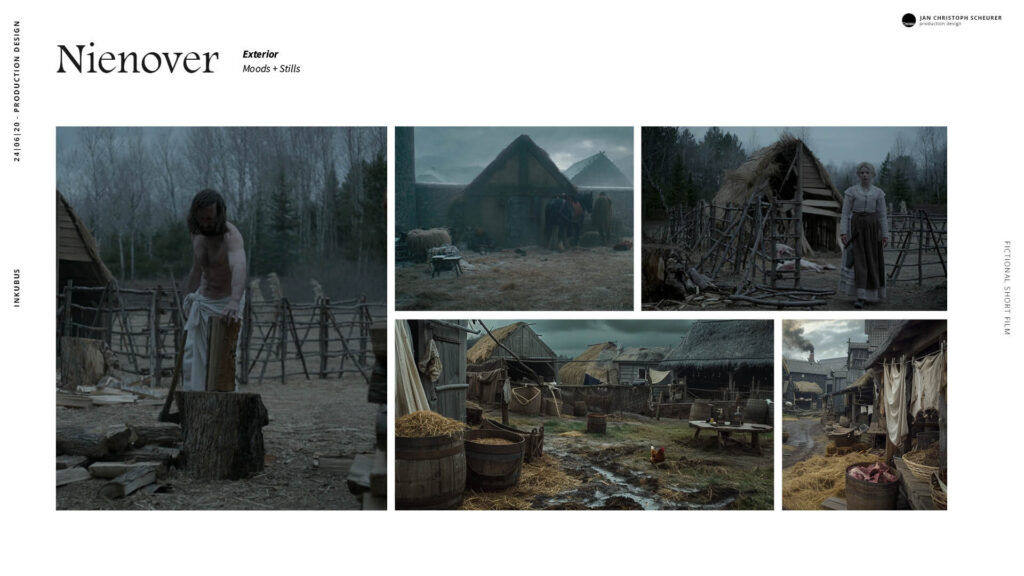
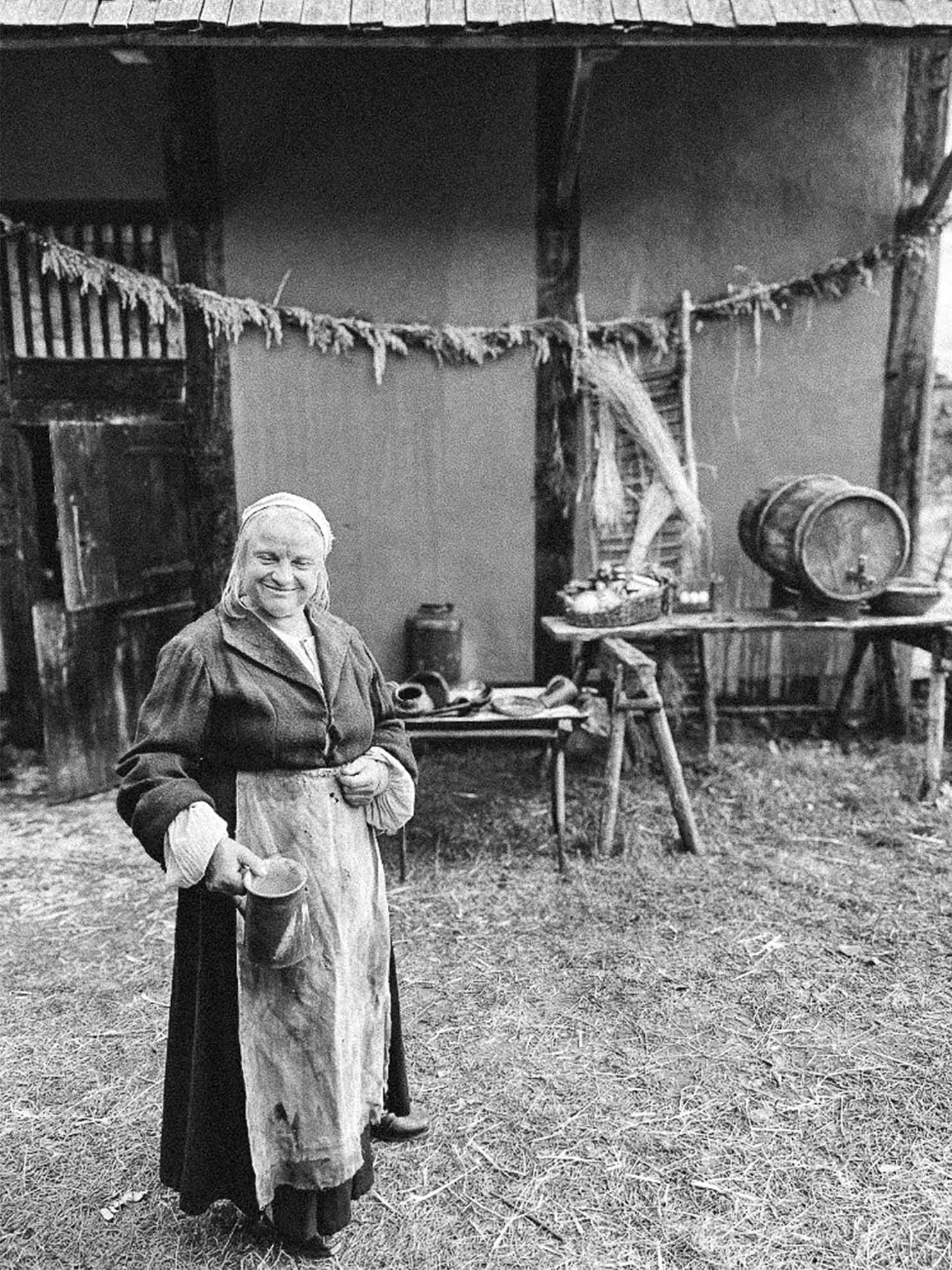
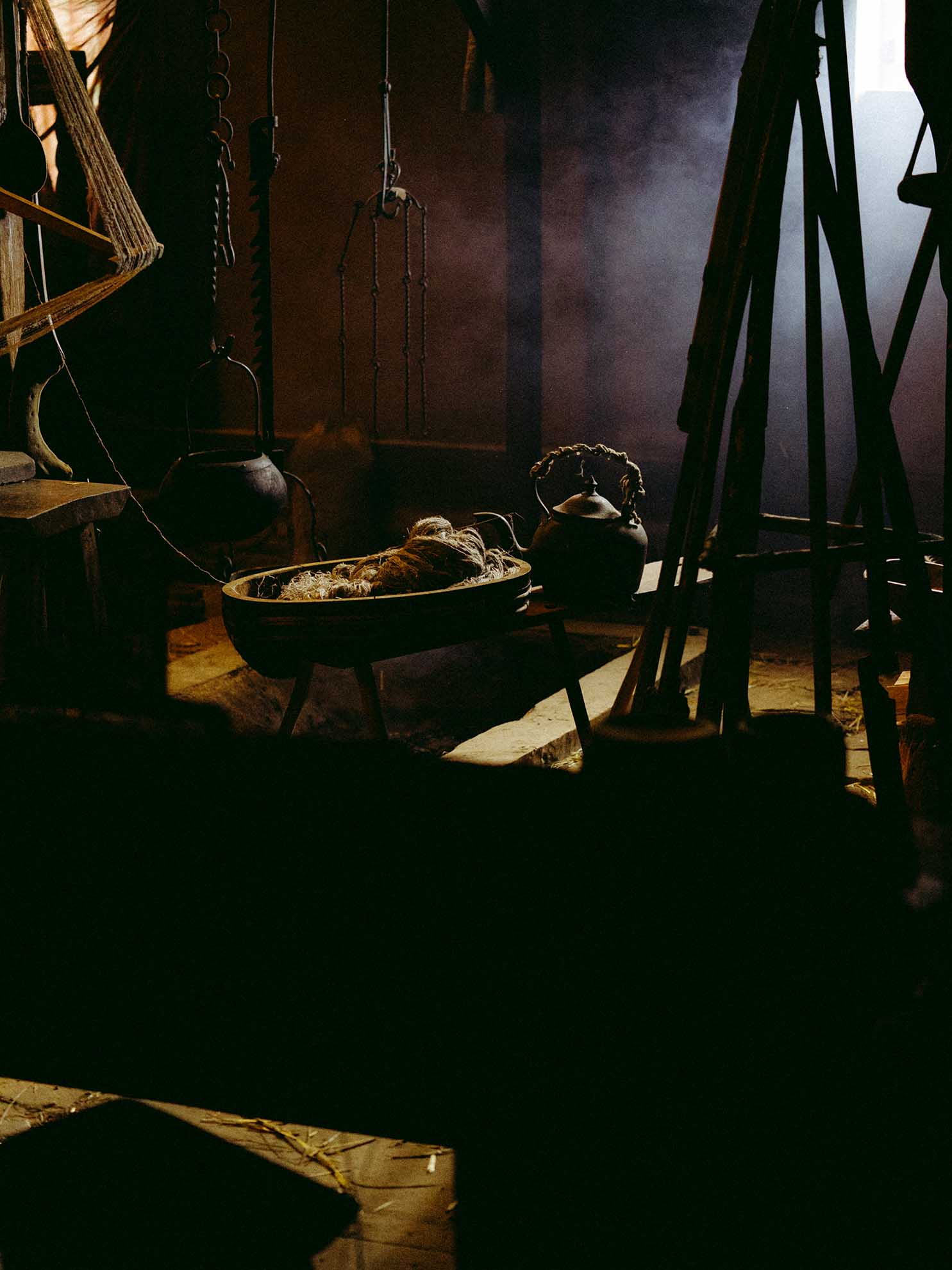
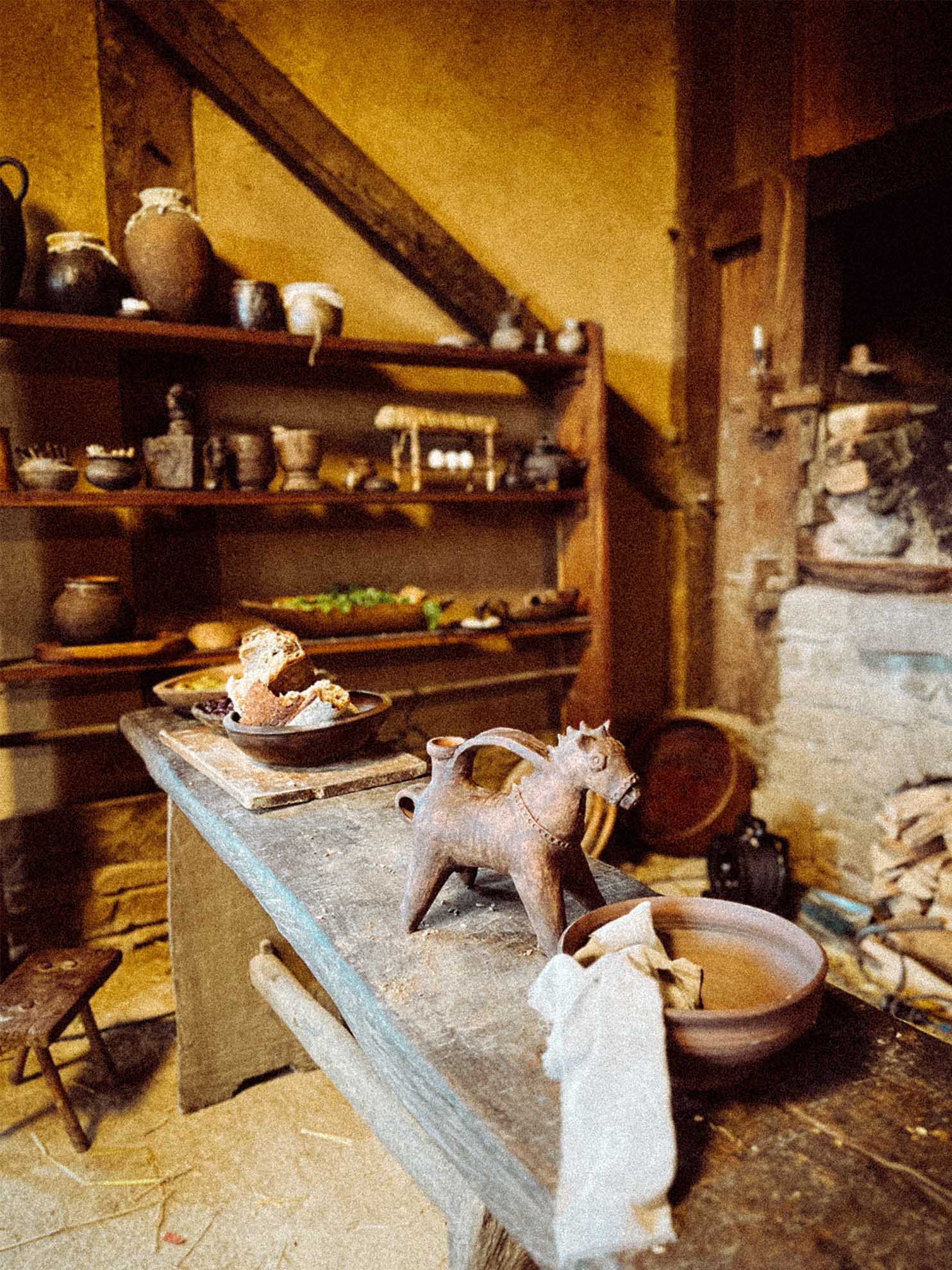
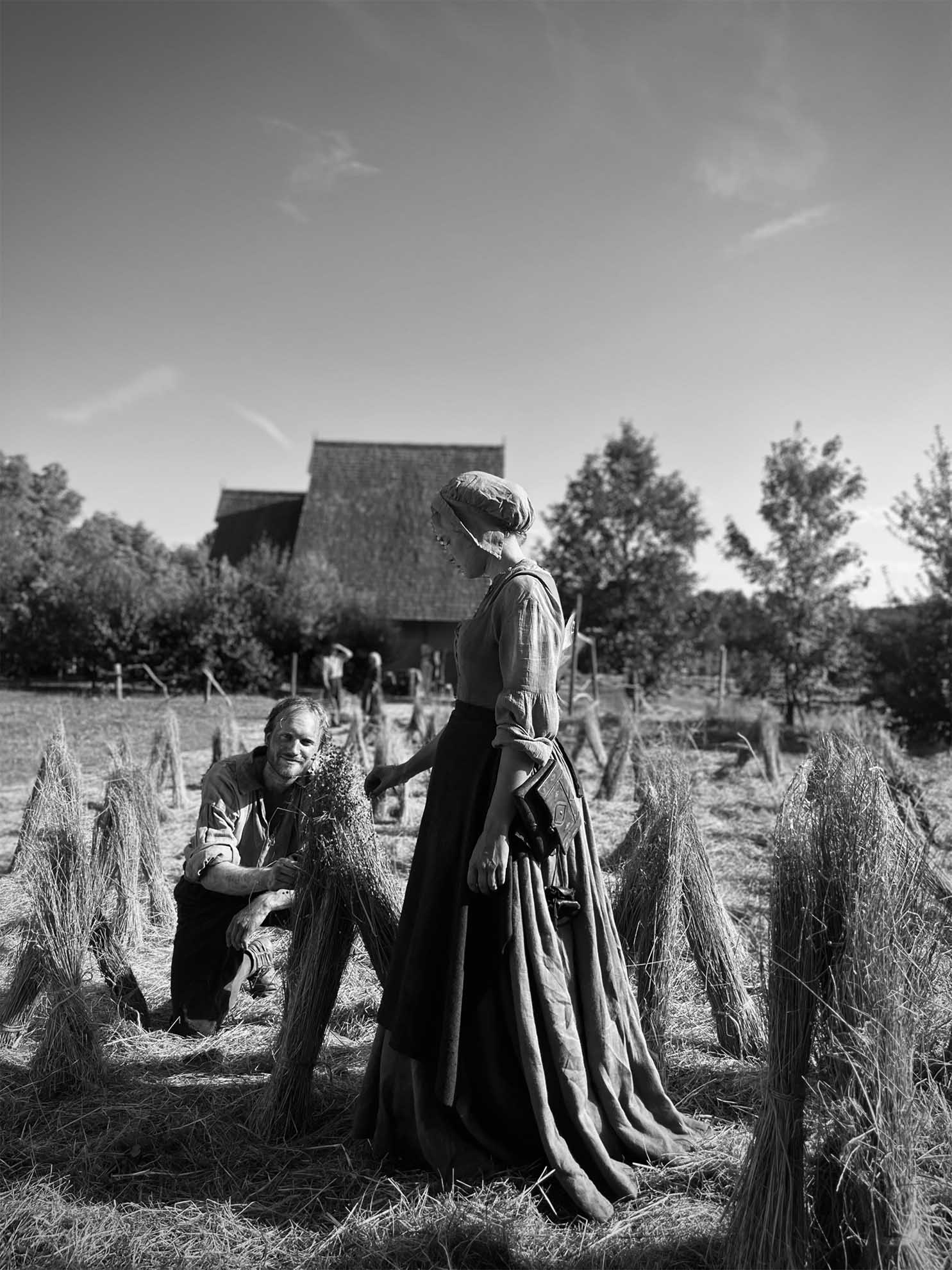
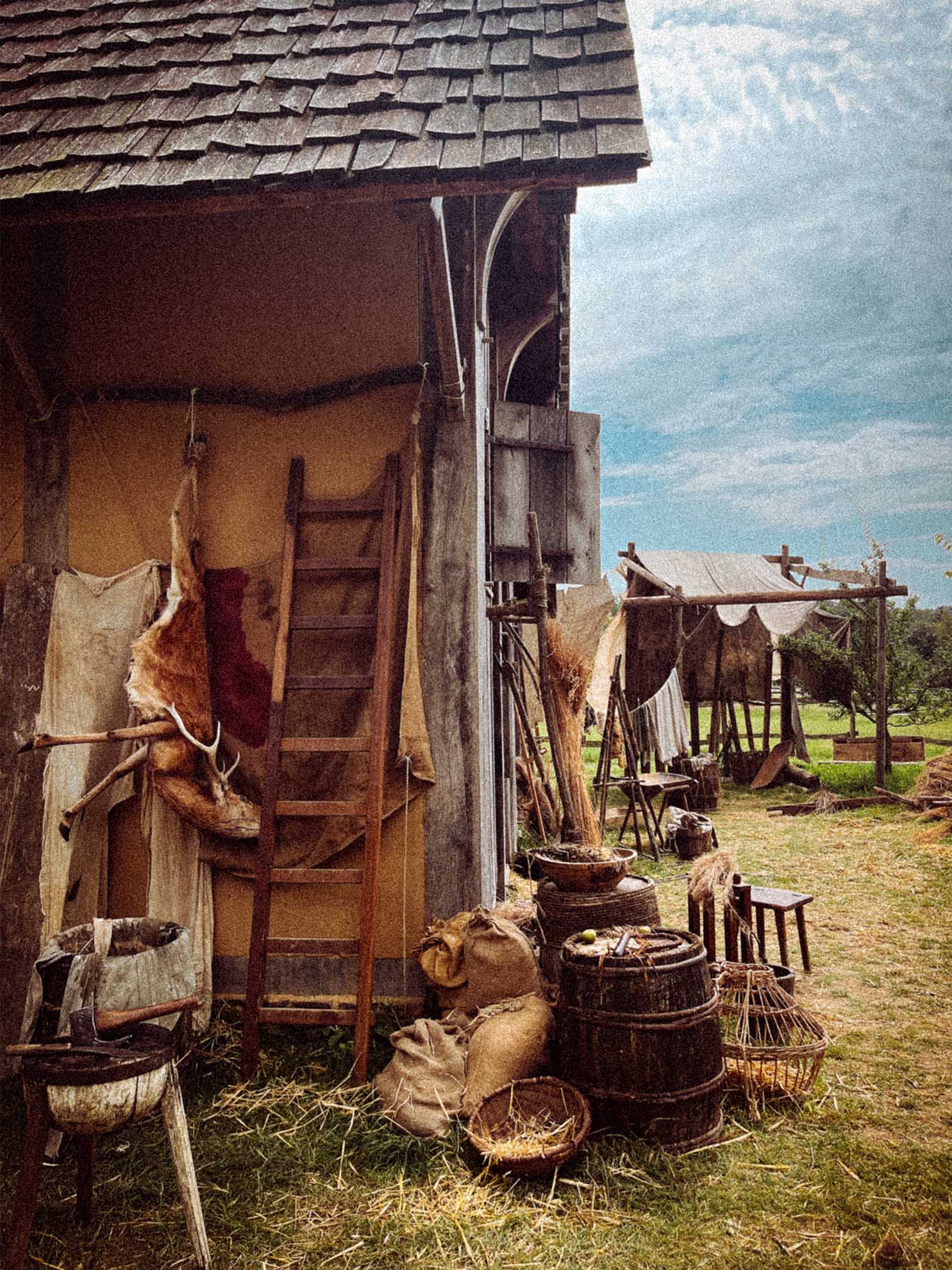
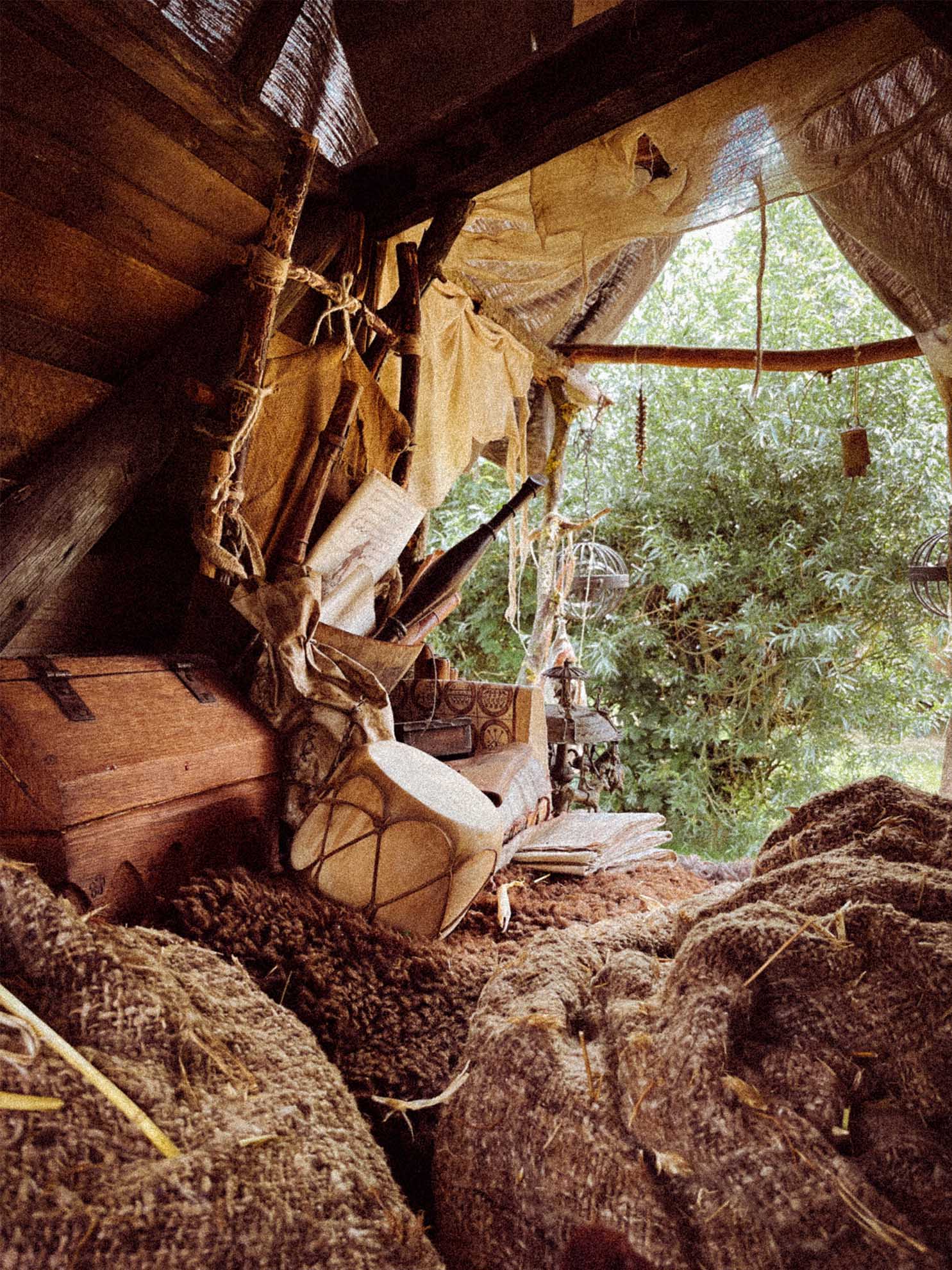
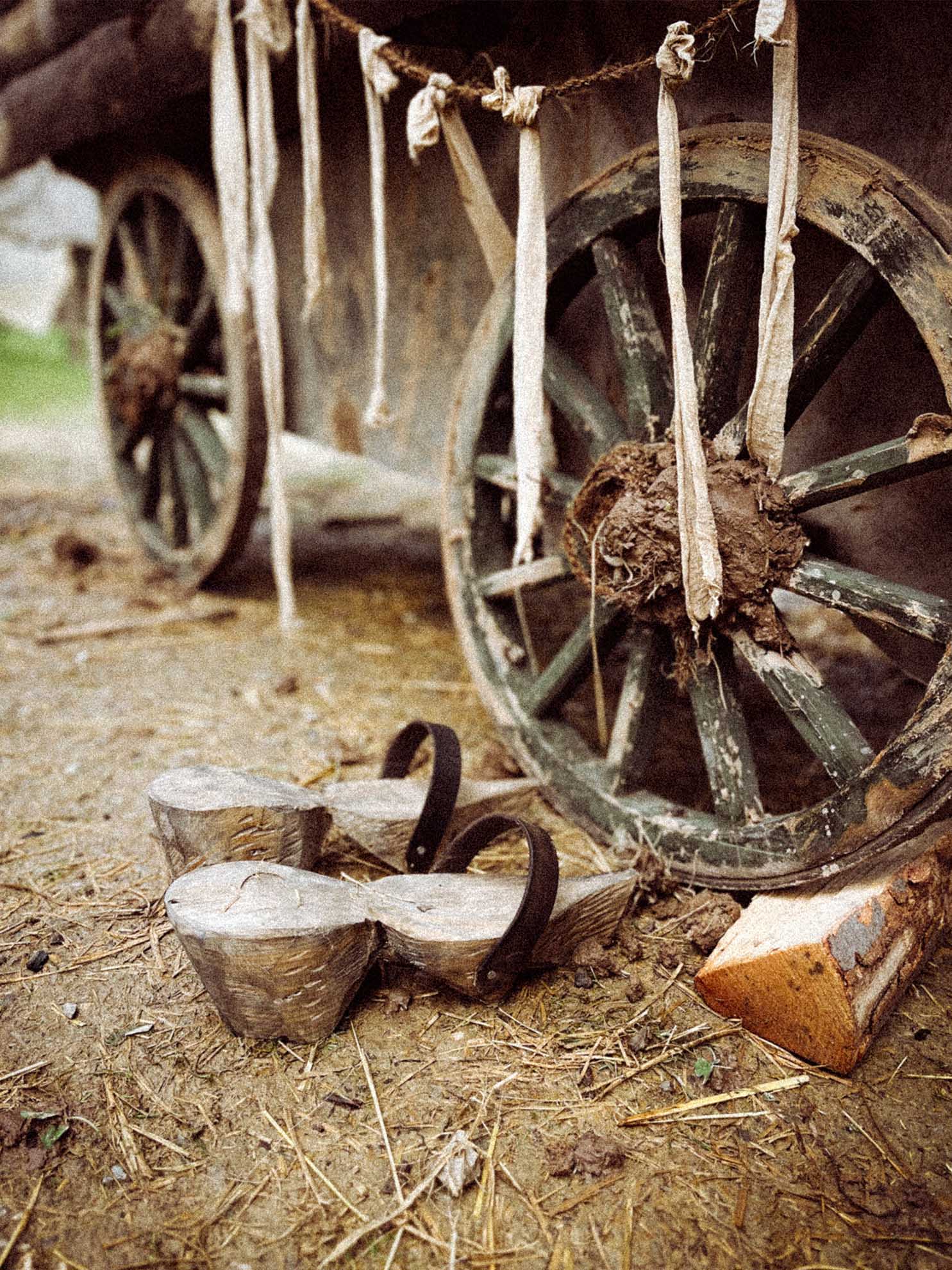
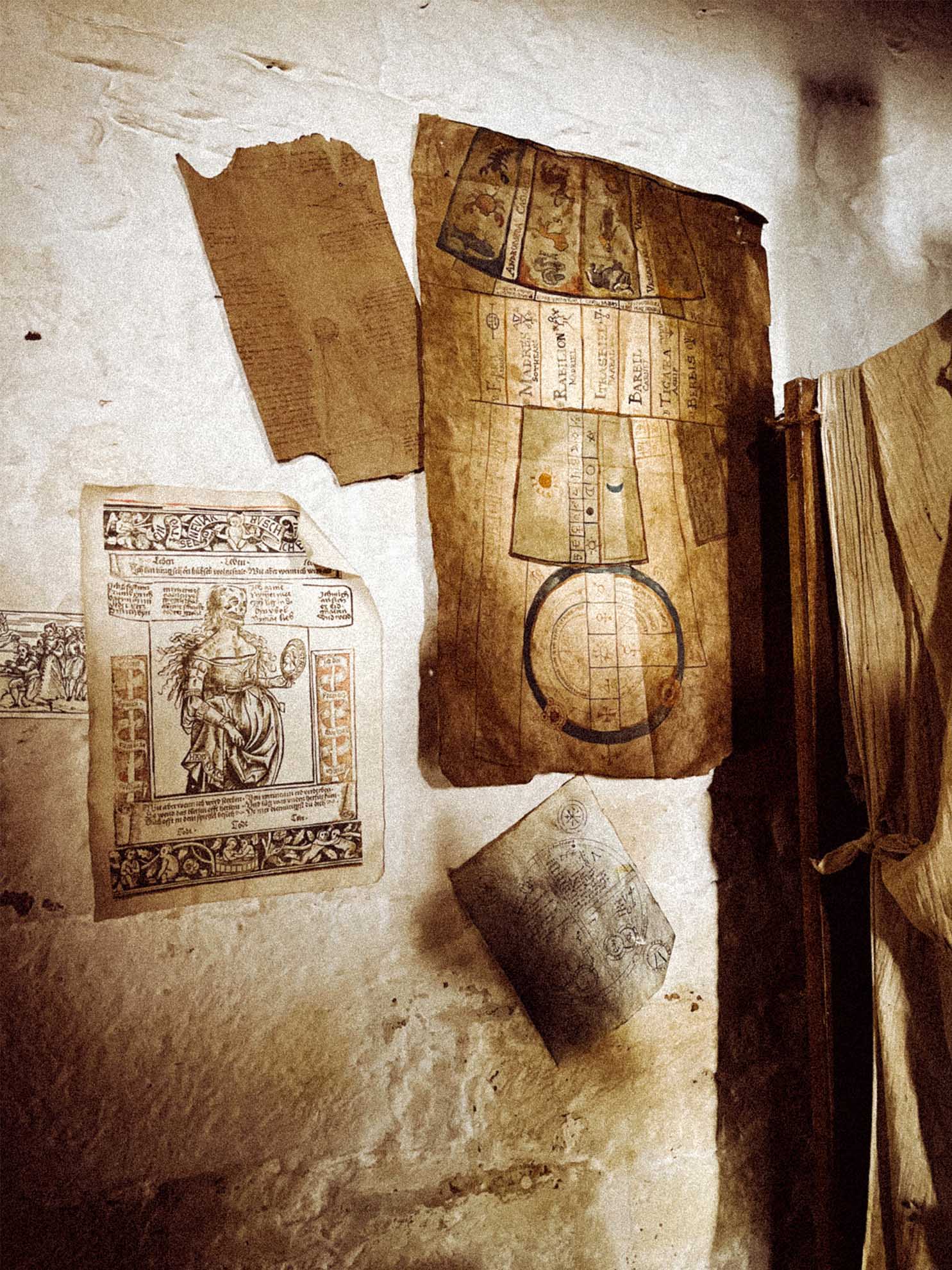
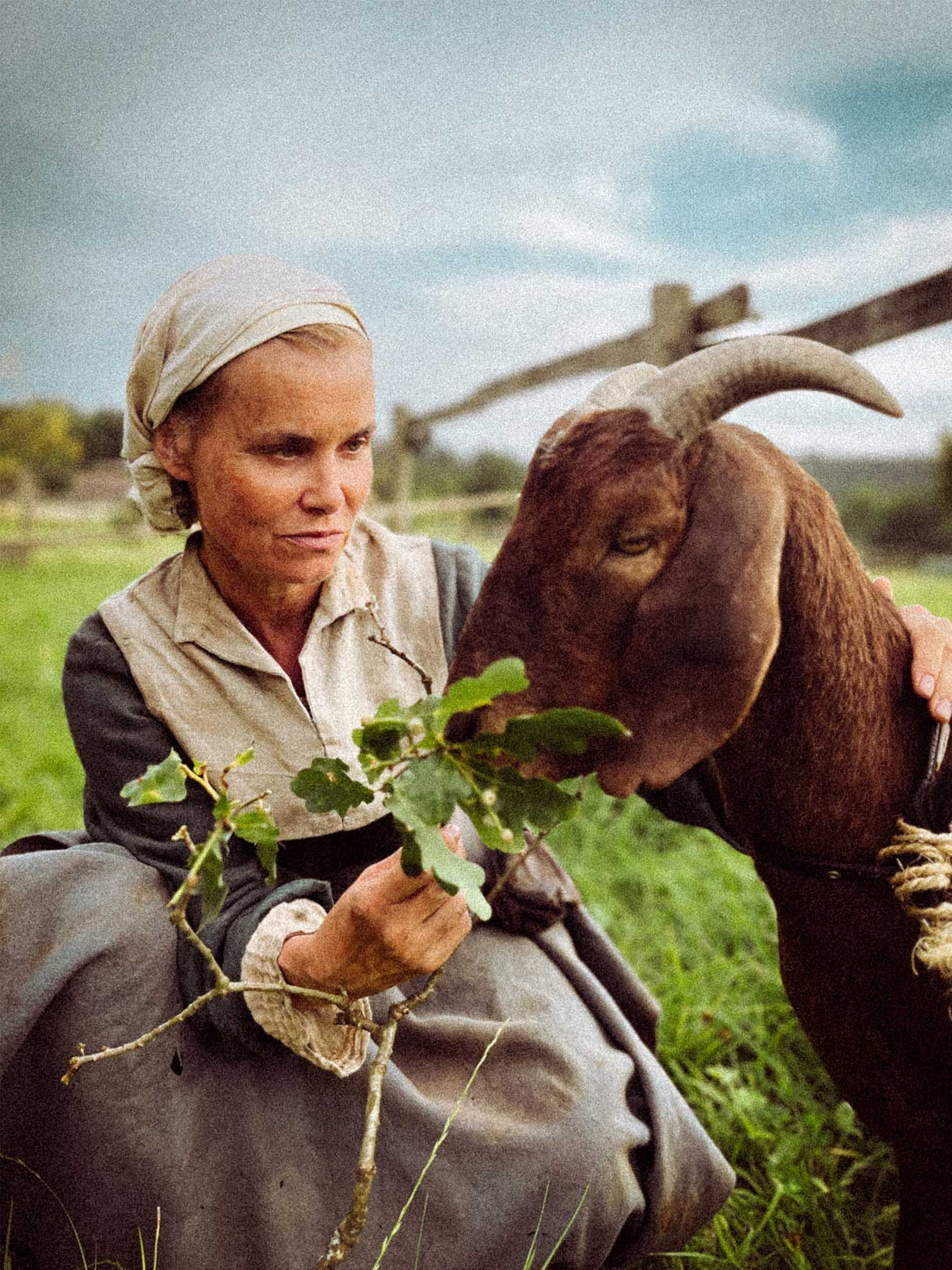
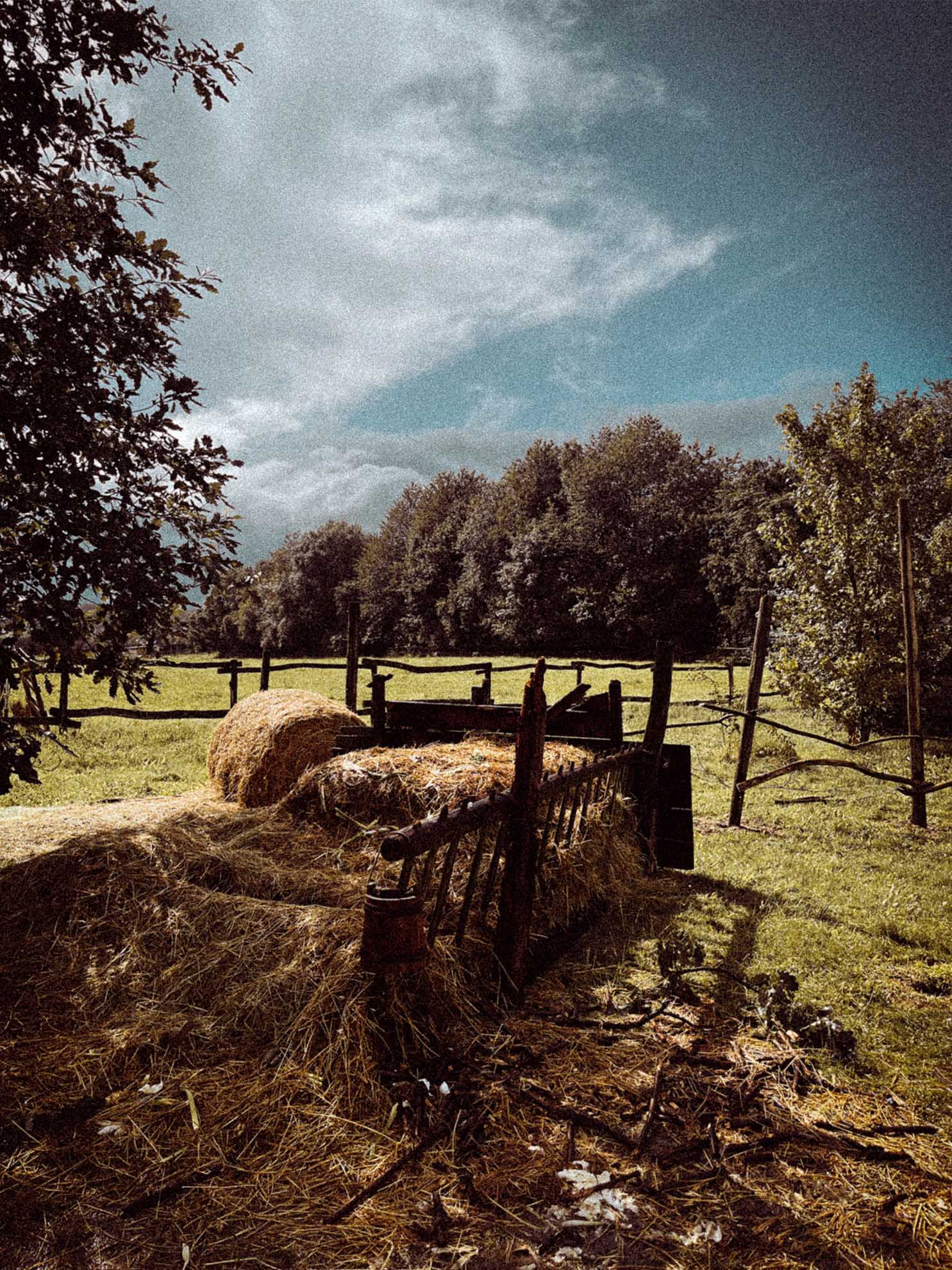
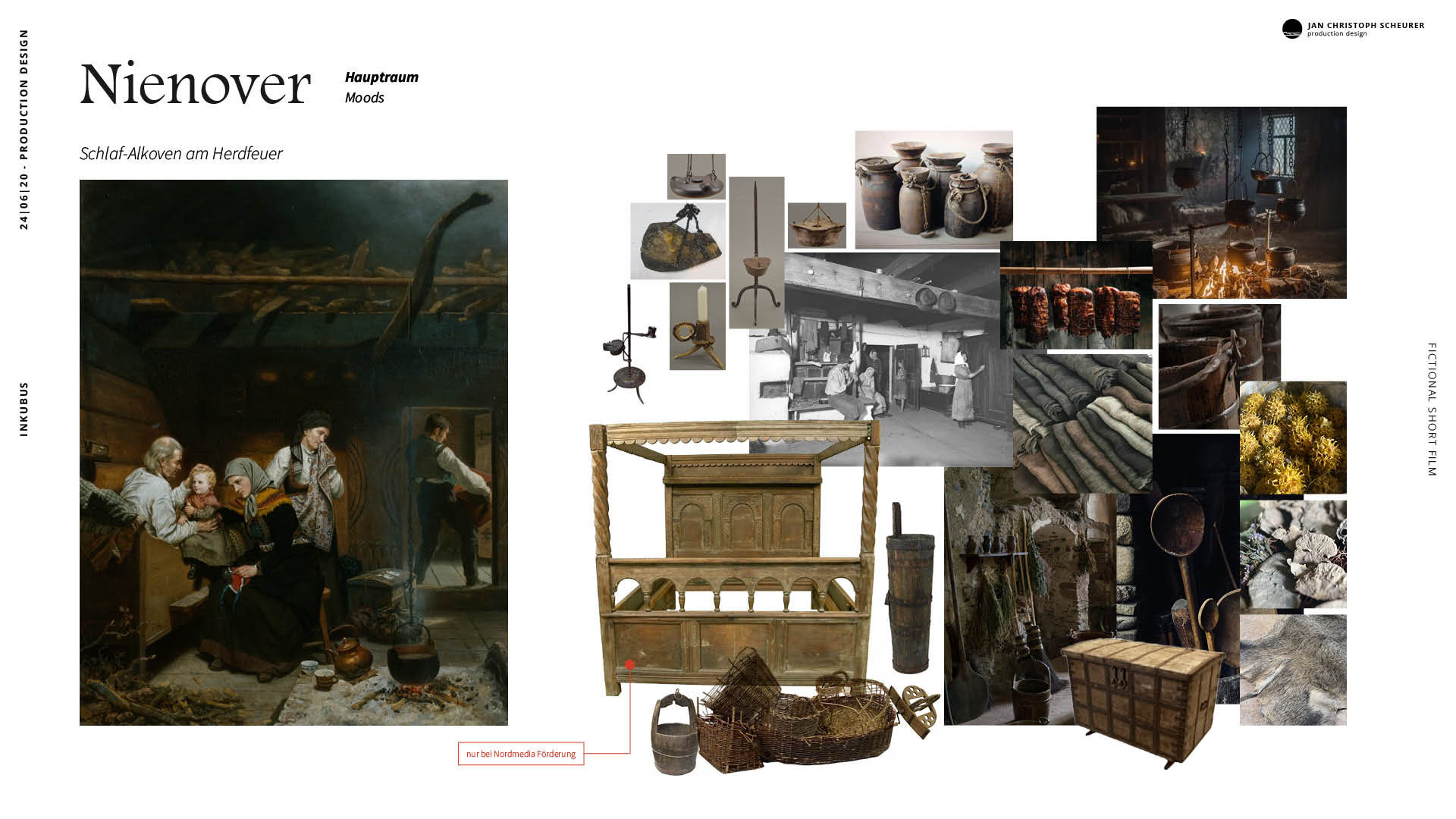
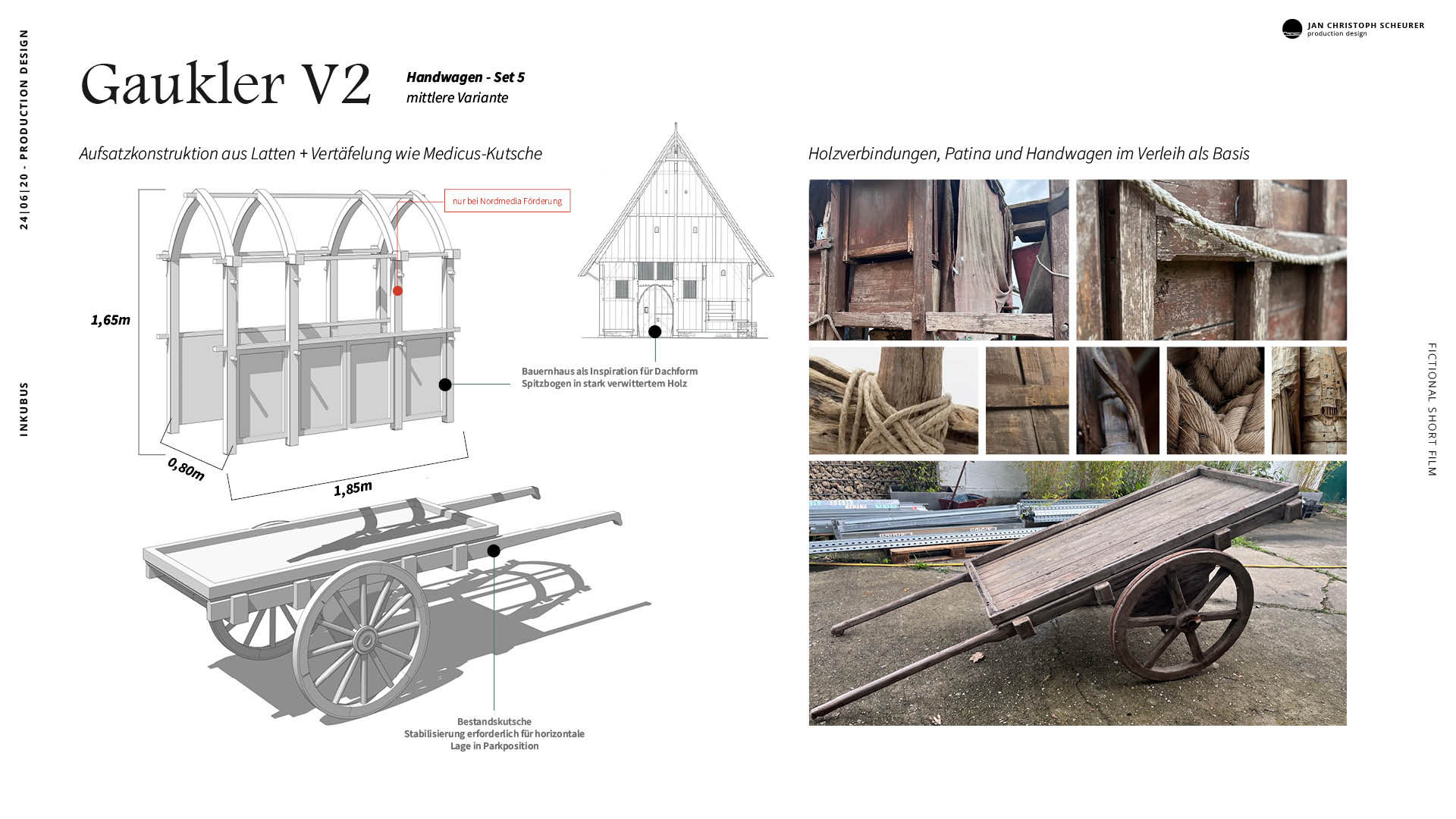
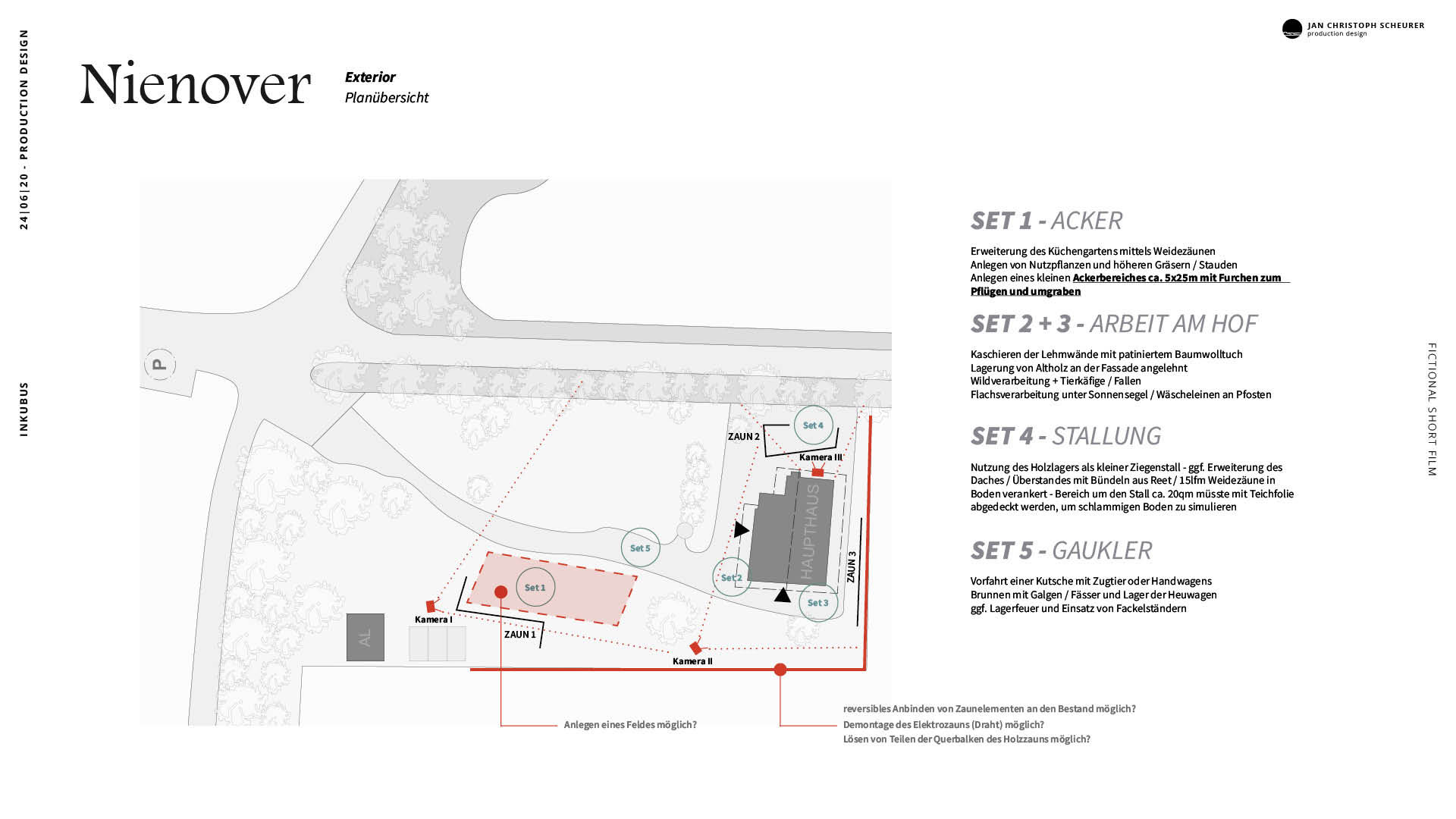
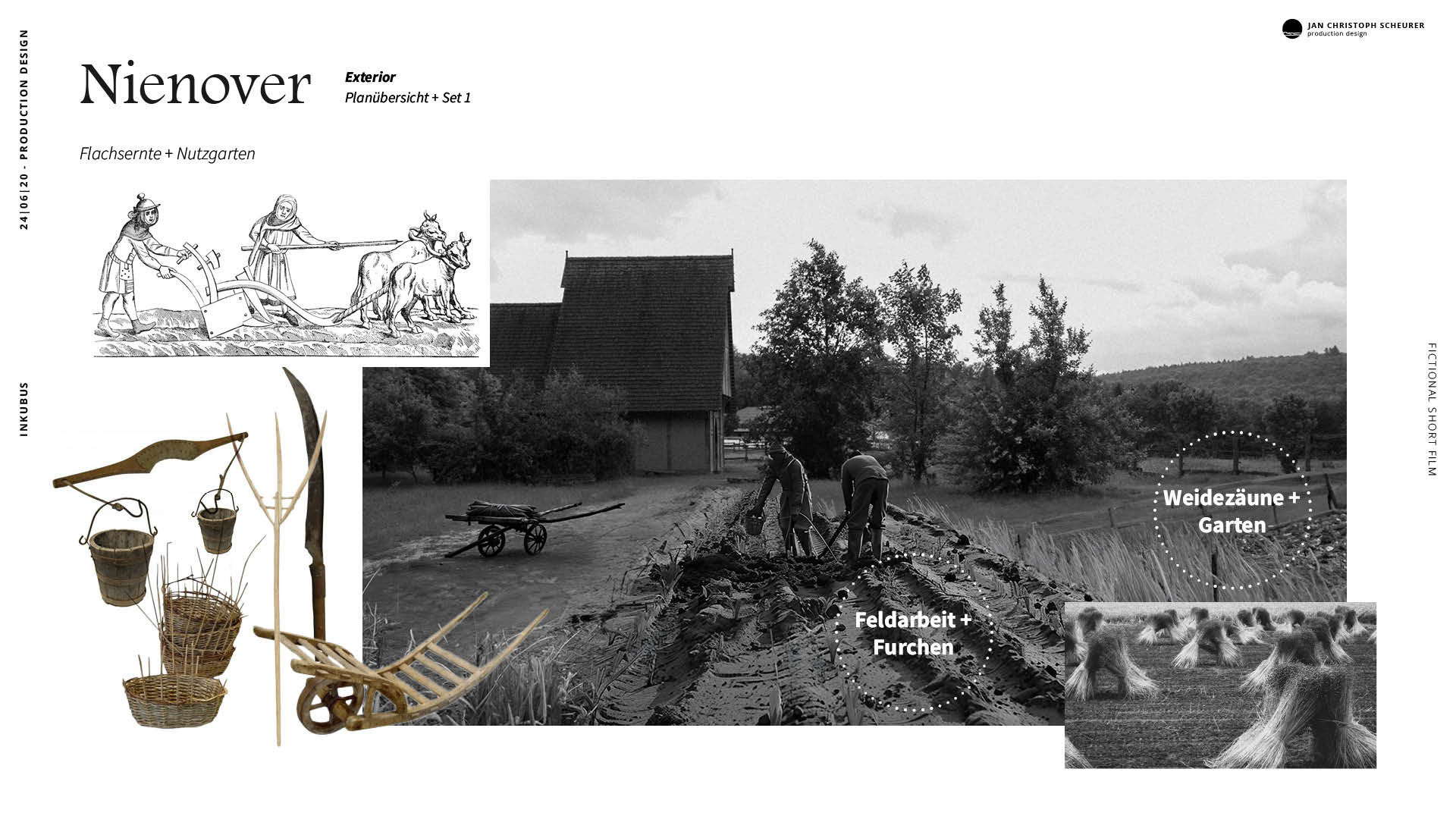
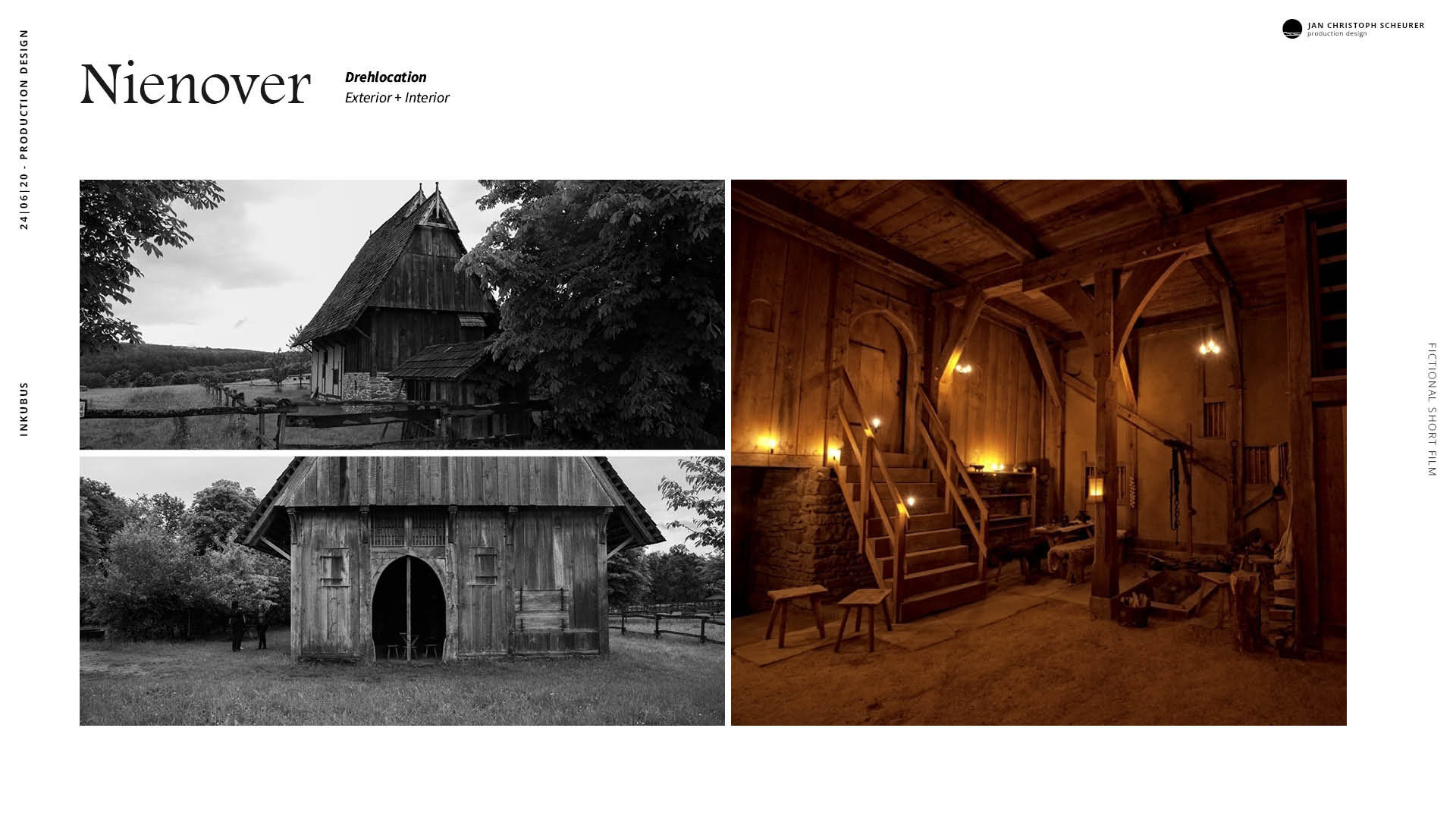
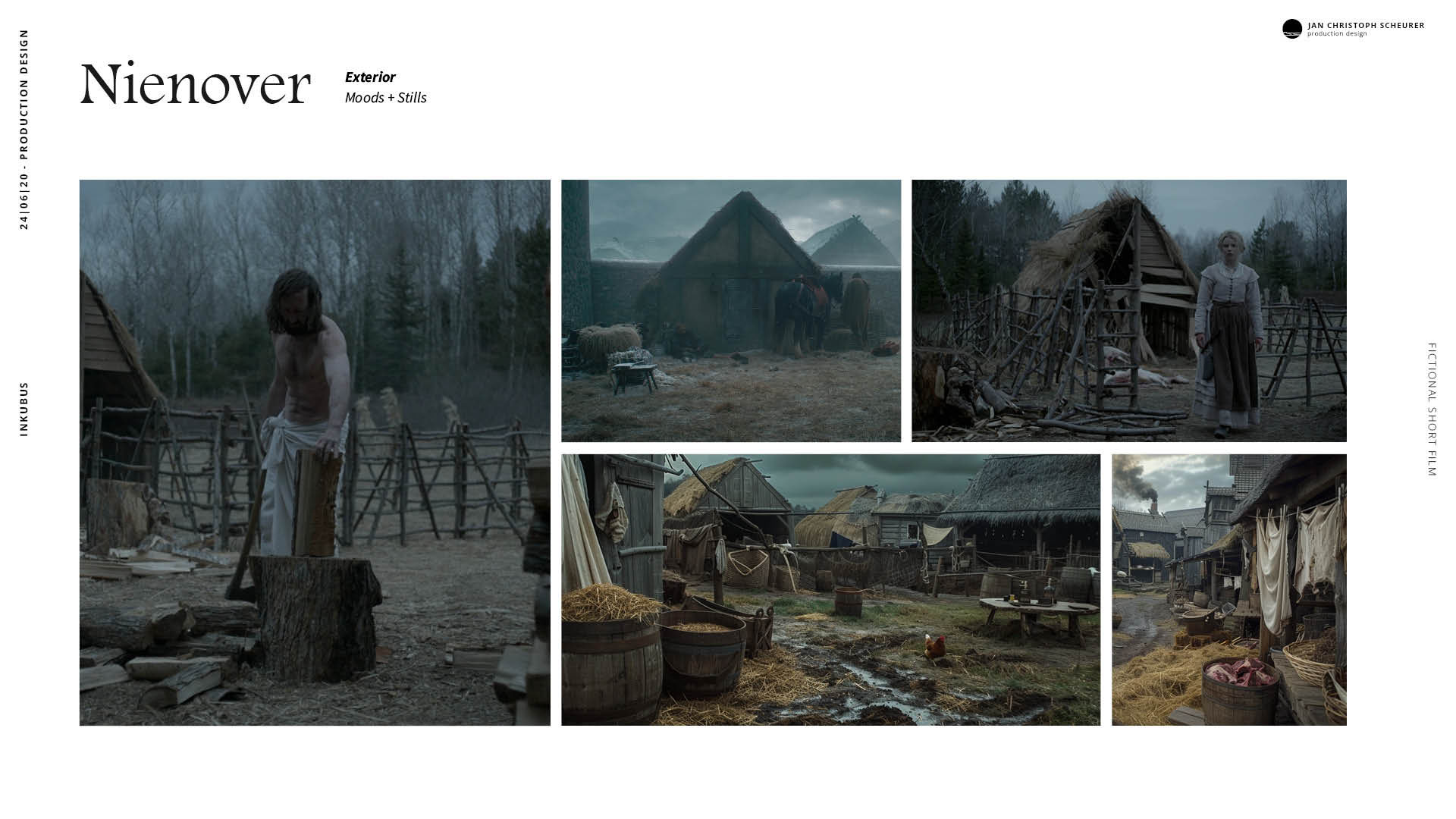
The production design for Inkubus grew out of an intensive research process and a very conscious set of decisions. I discovered the central location in the Solling, north of Kassel—a reconstructed 13th-century town house from the deserted settlement of Nienover—and immediately recognized its potential for a confined, atmospheric chamber piece. To make the family’s self-sufficient life believable, I expanded the existing structure with small stables and a cultivated field. Working within a site of experimental archaeology allowed me to use open fire and to shape the exterior through manure heaps, fences, and traces of livestock, turning the location into a fully lived environment.
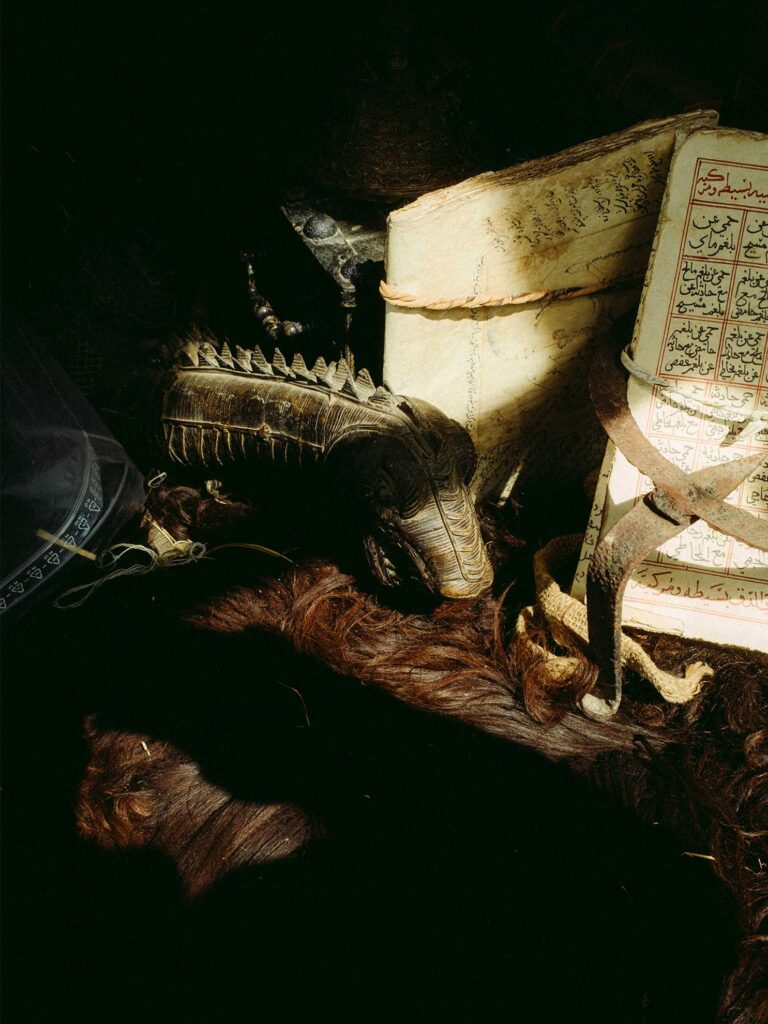
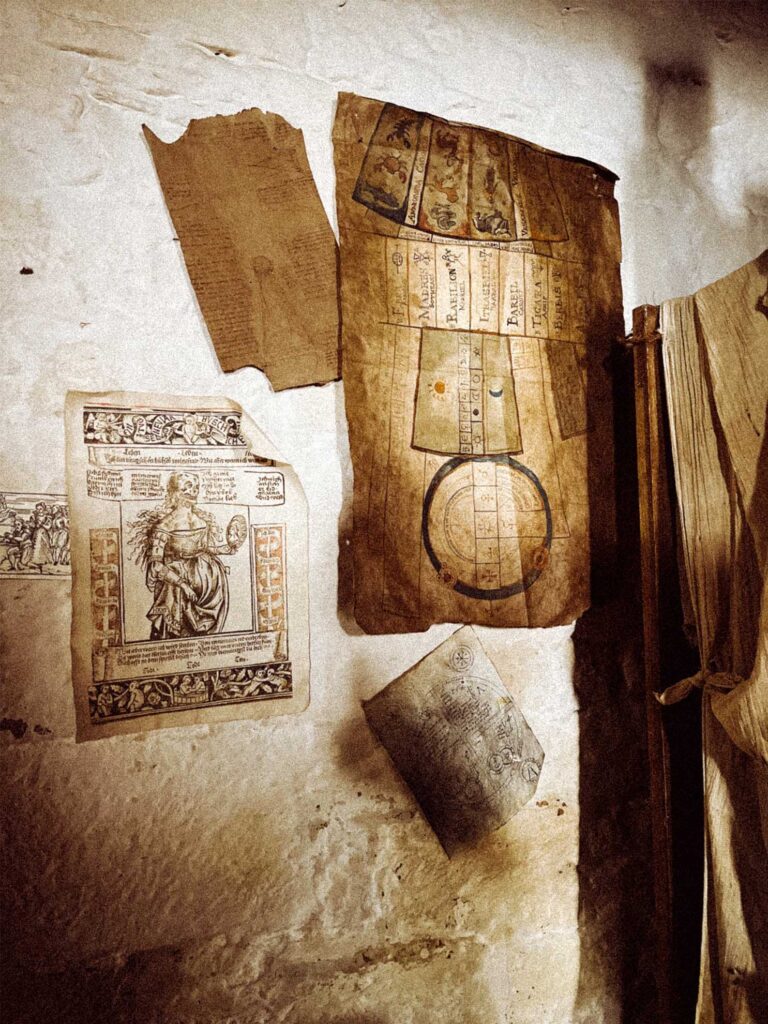
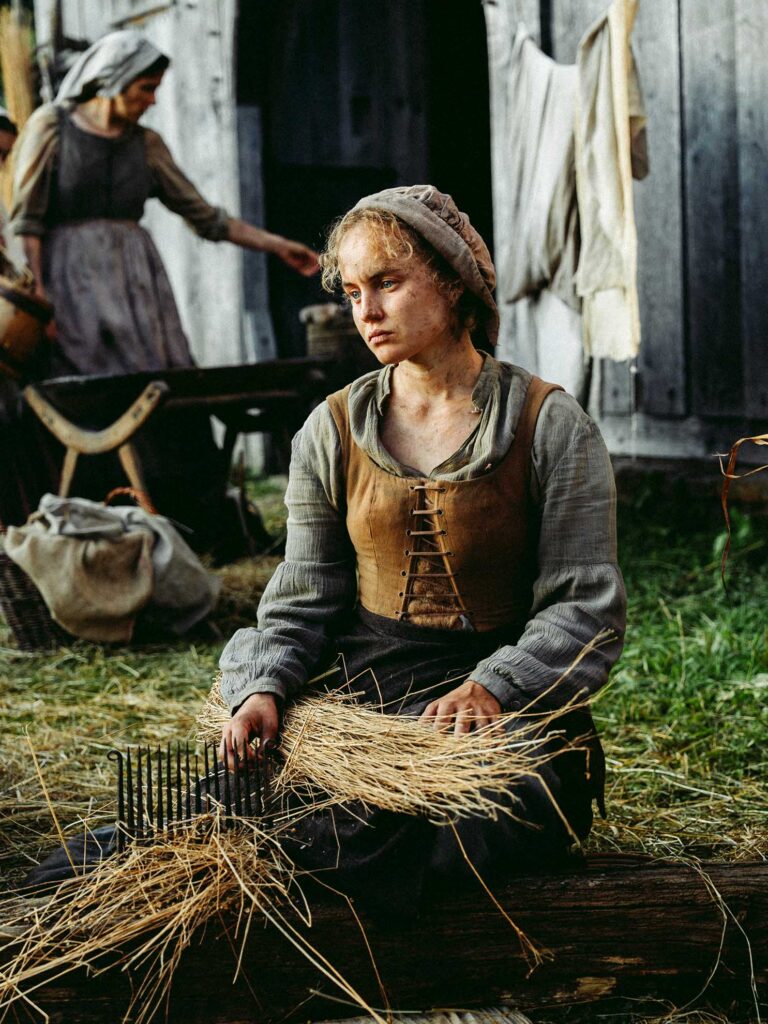
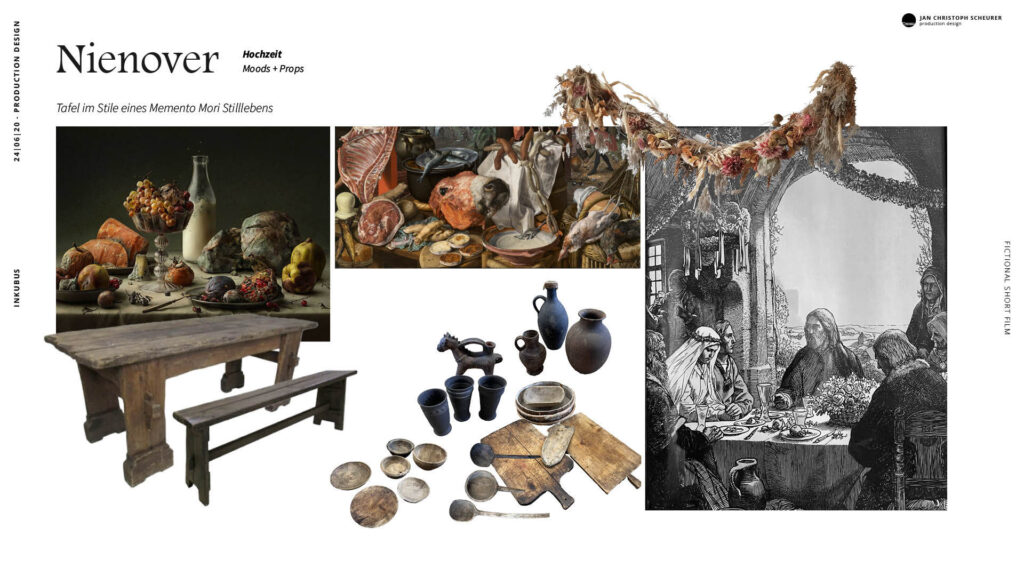
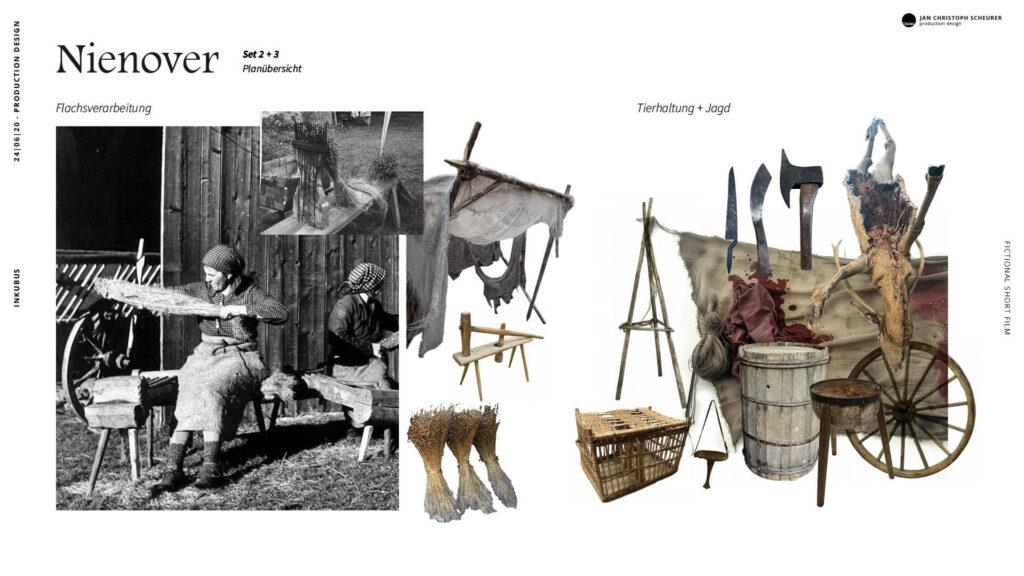
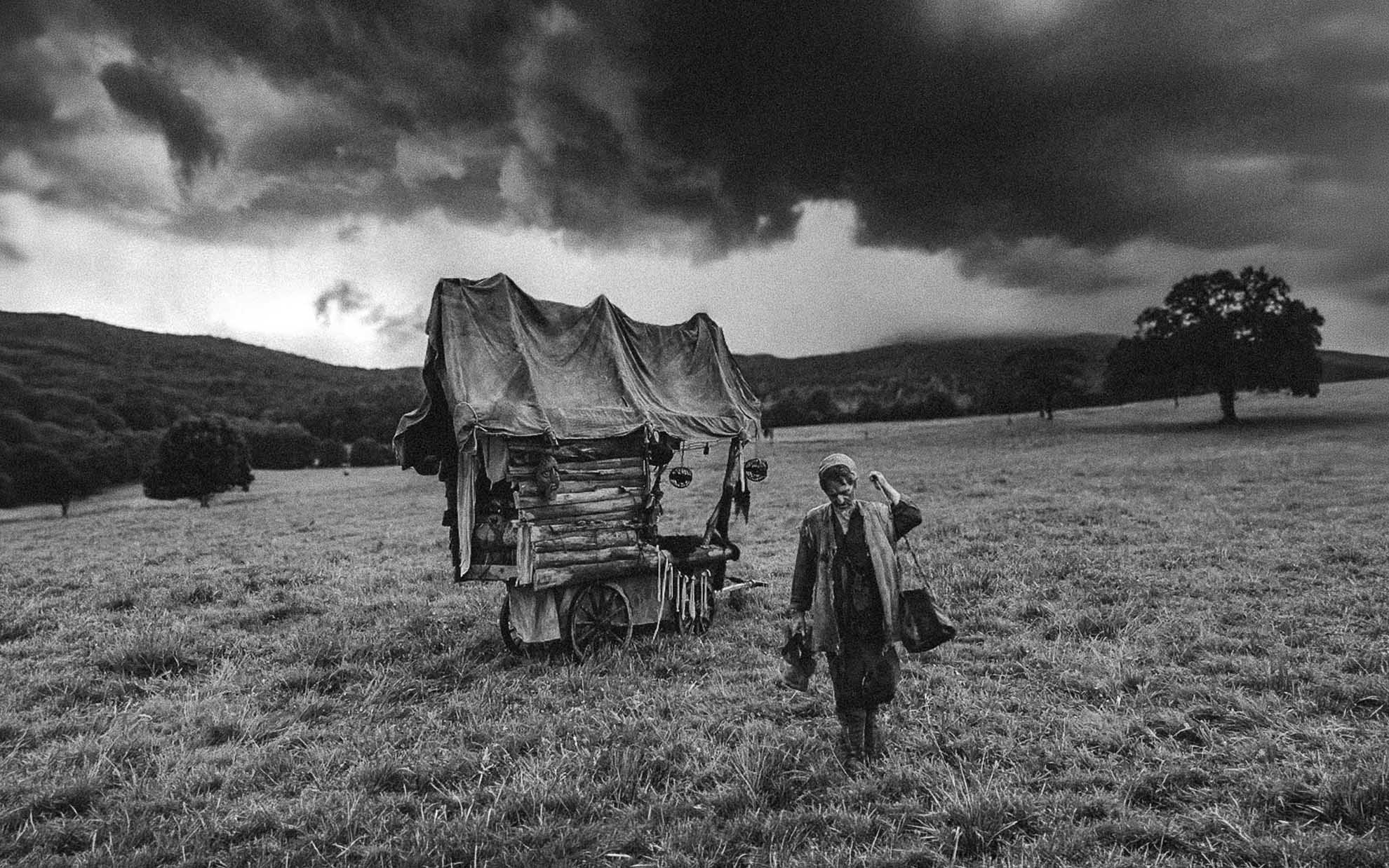
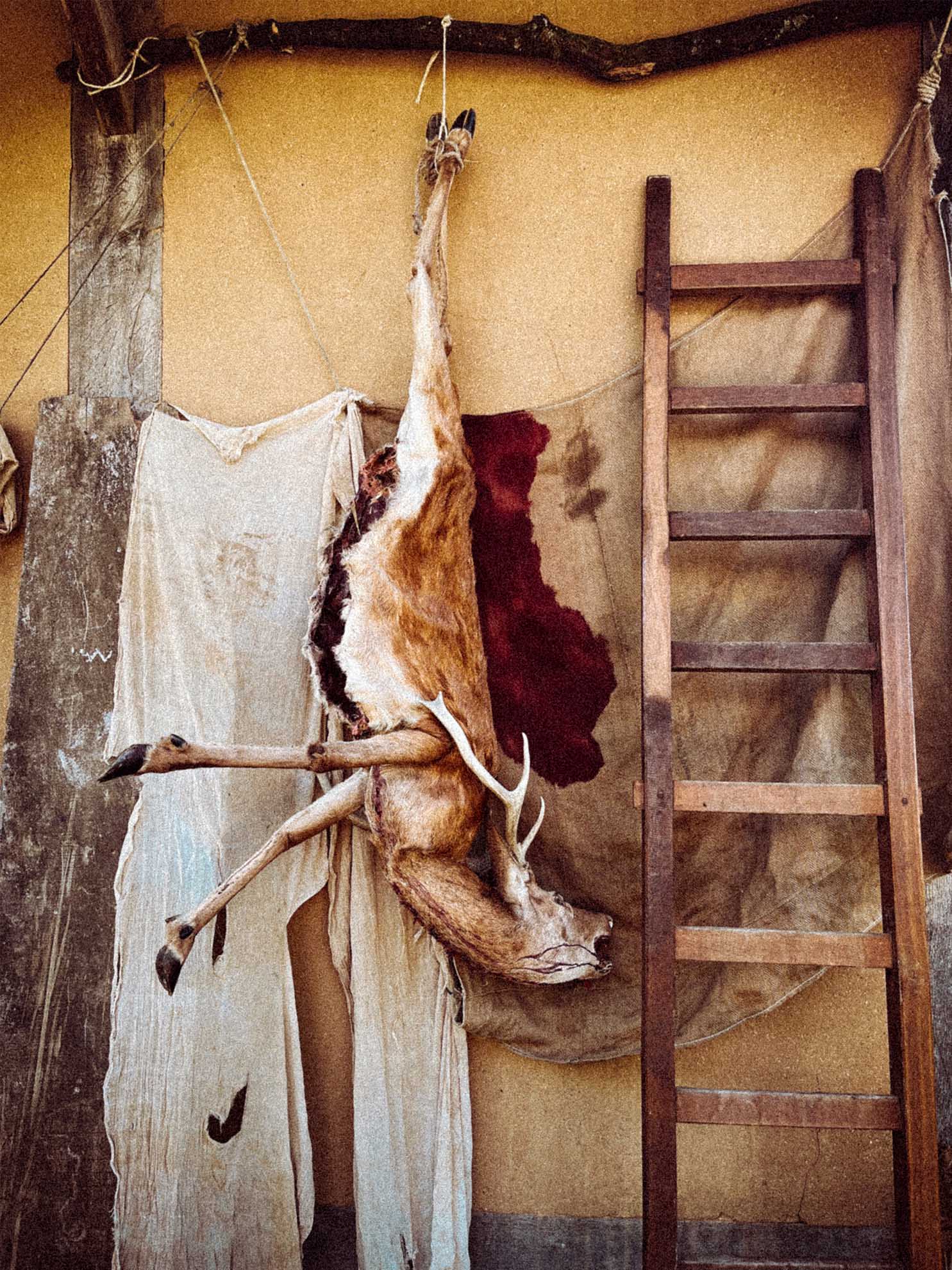
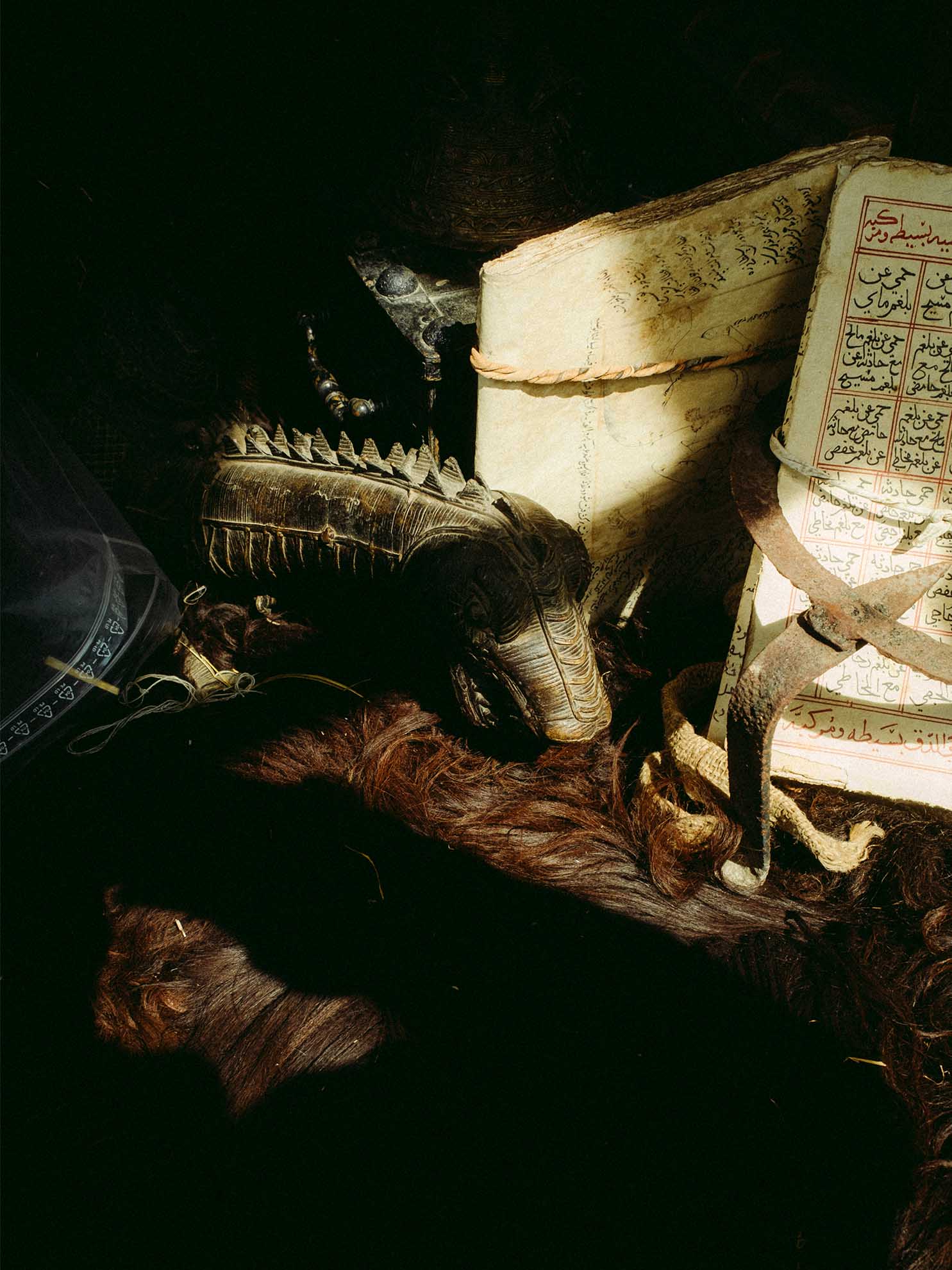
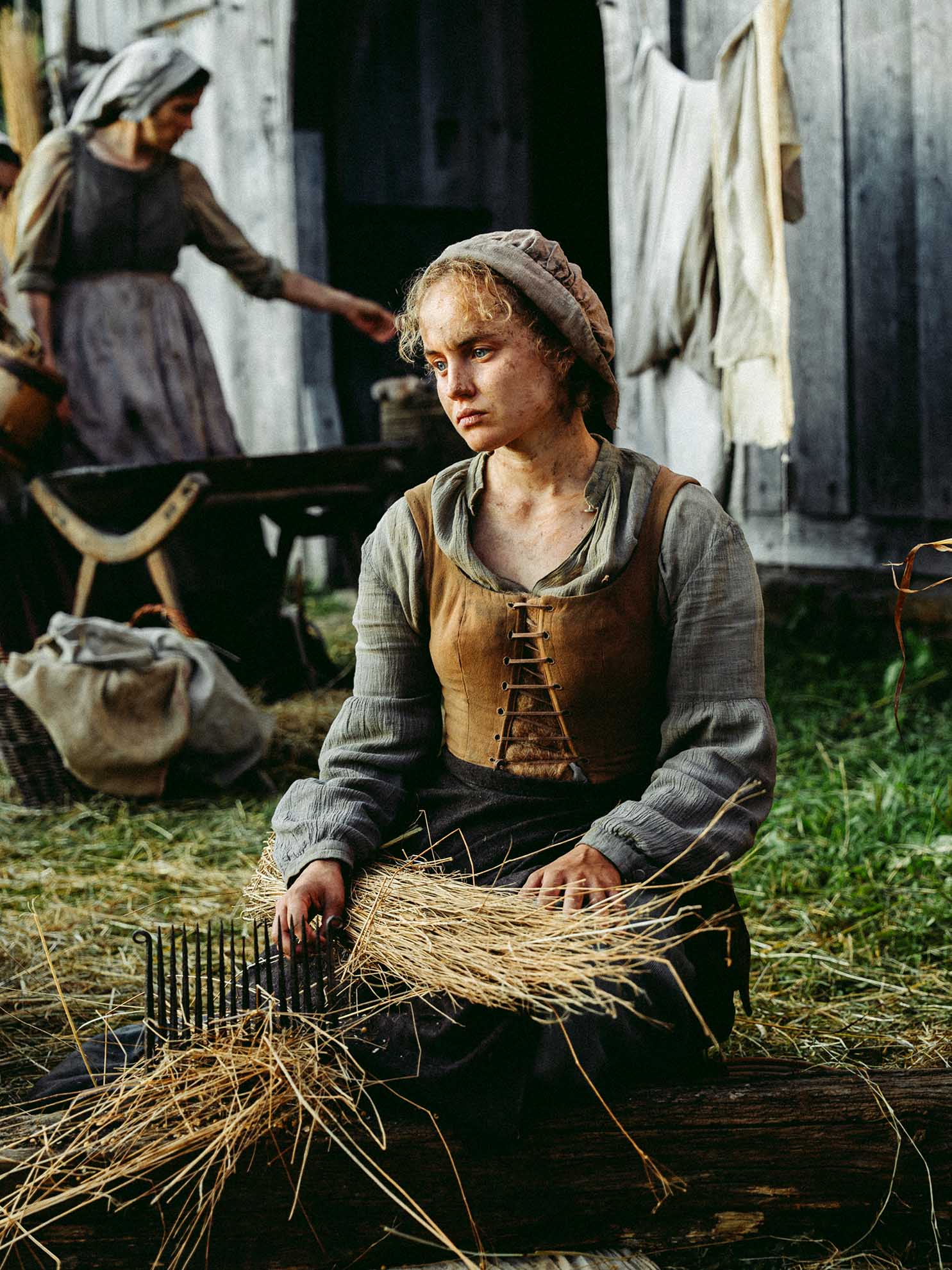
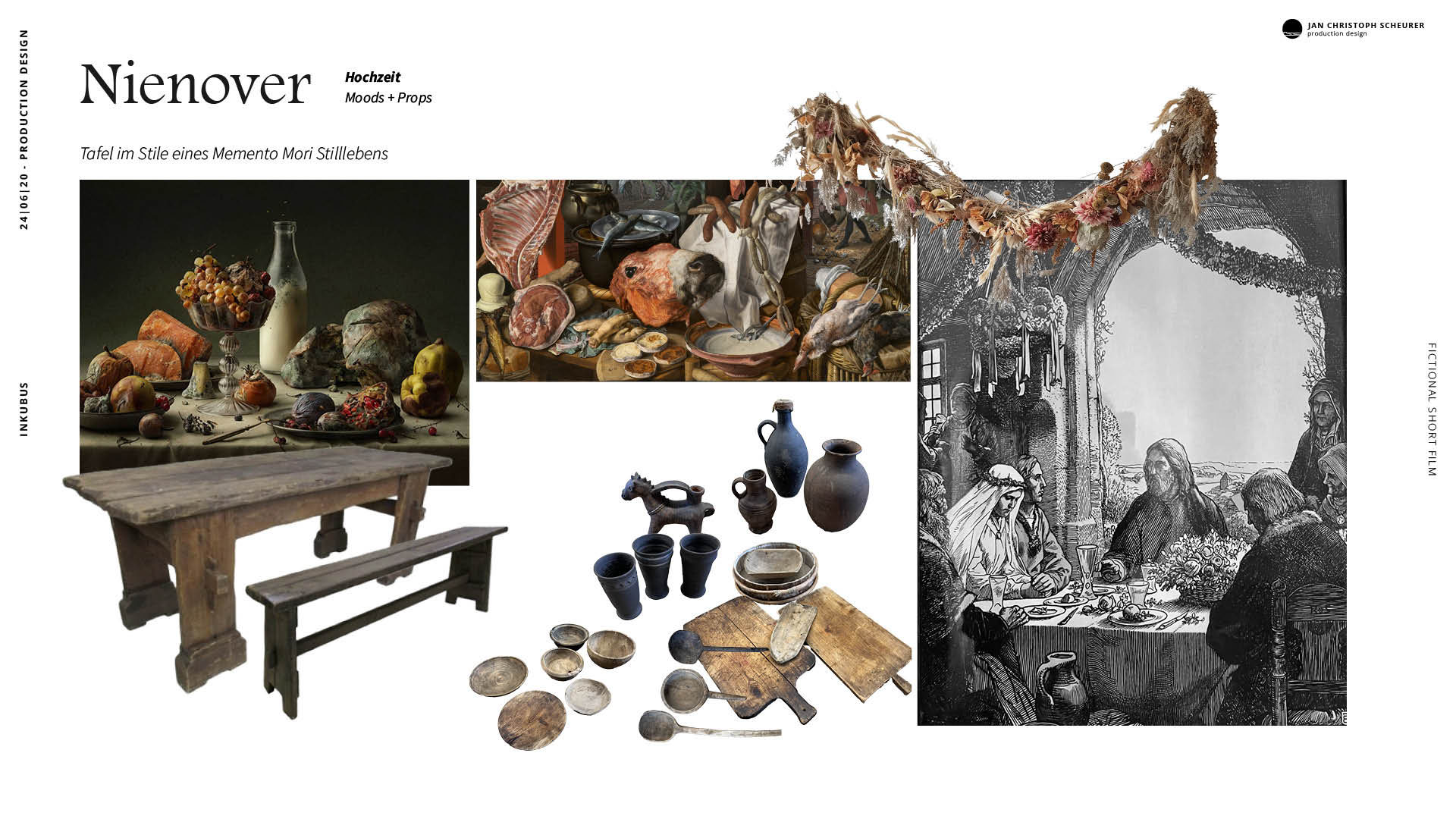
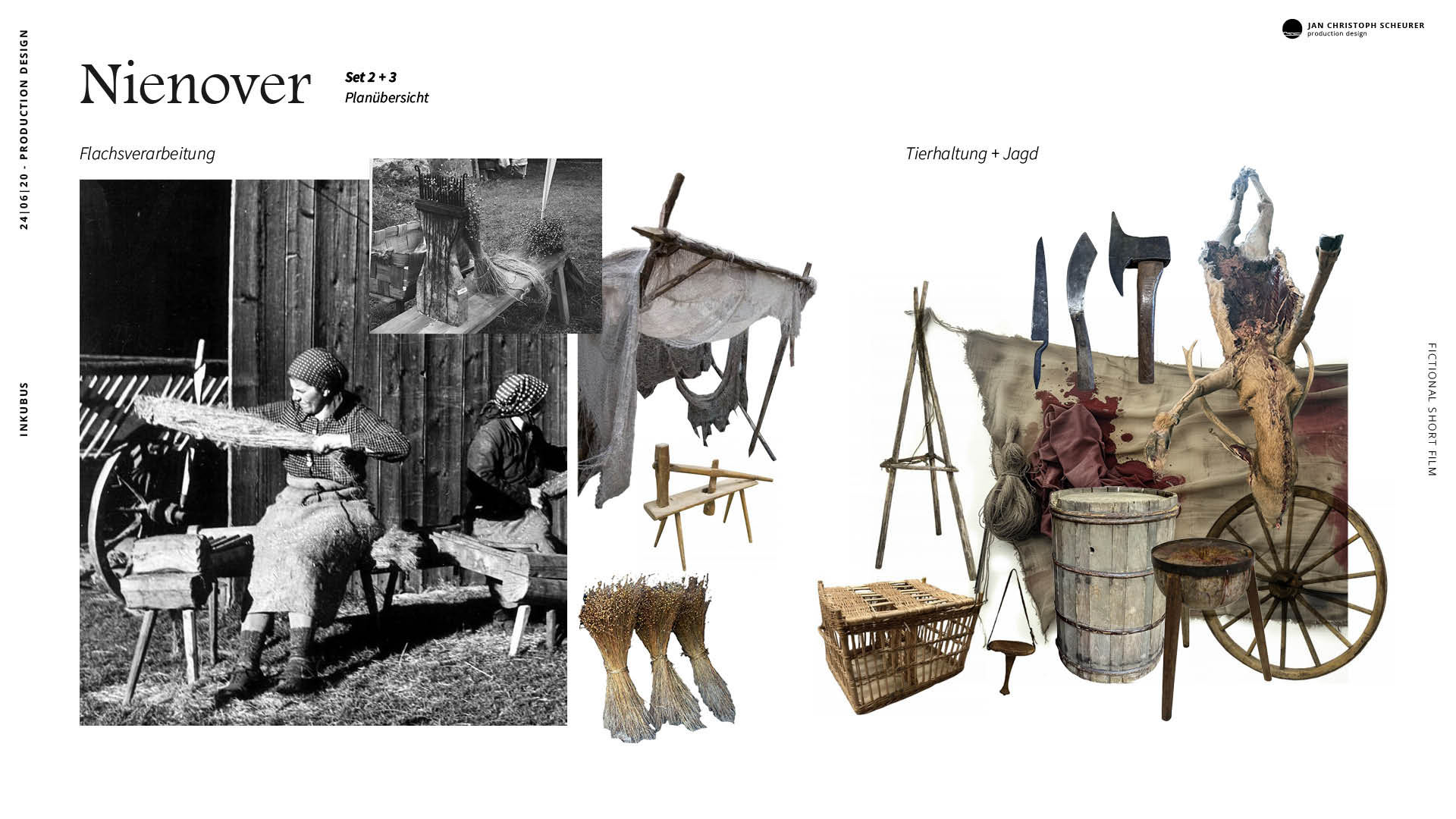
I chose flax cultivation as the defining craft of the household, anchoring the world in a historically grounded practice that also carries a strong visual and tactile presence. I sourced furniture and props from Babelsberg and Hamburg, collaborated with the Handwebmuseum Rupperath for original 17th-century flax-processing tools, and obtained a harvest of flax from the Freilichtmuseum Hessenpark. I complemented this with elements of hunting and fishing to complete the family’s subsistence economy.
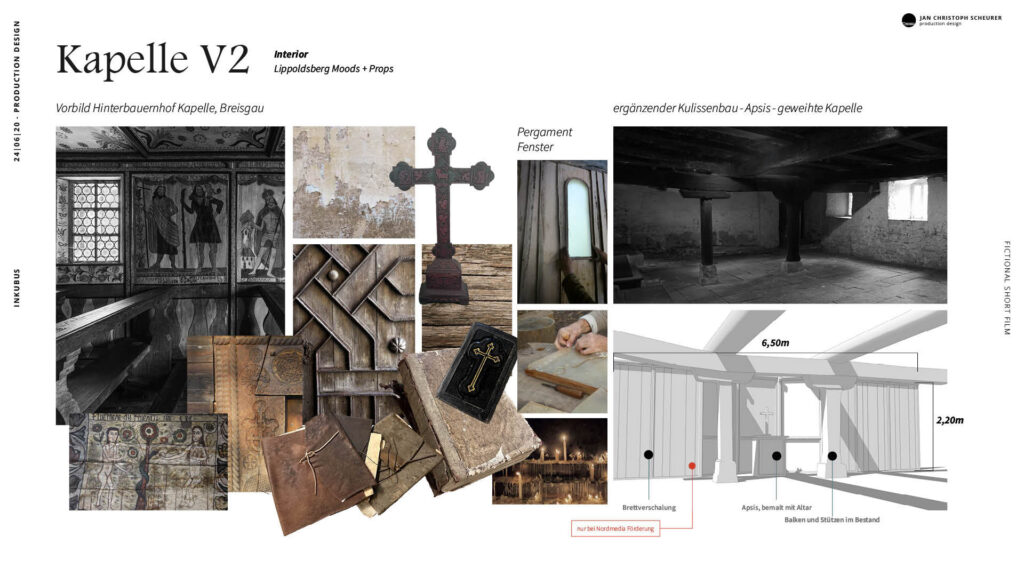
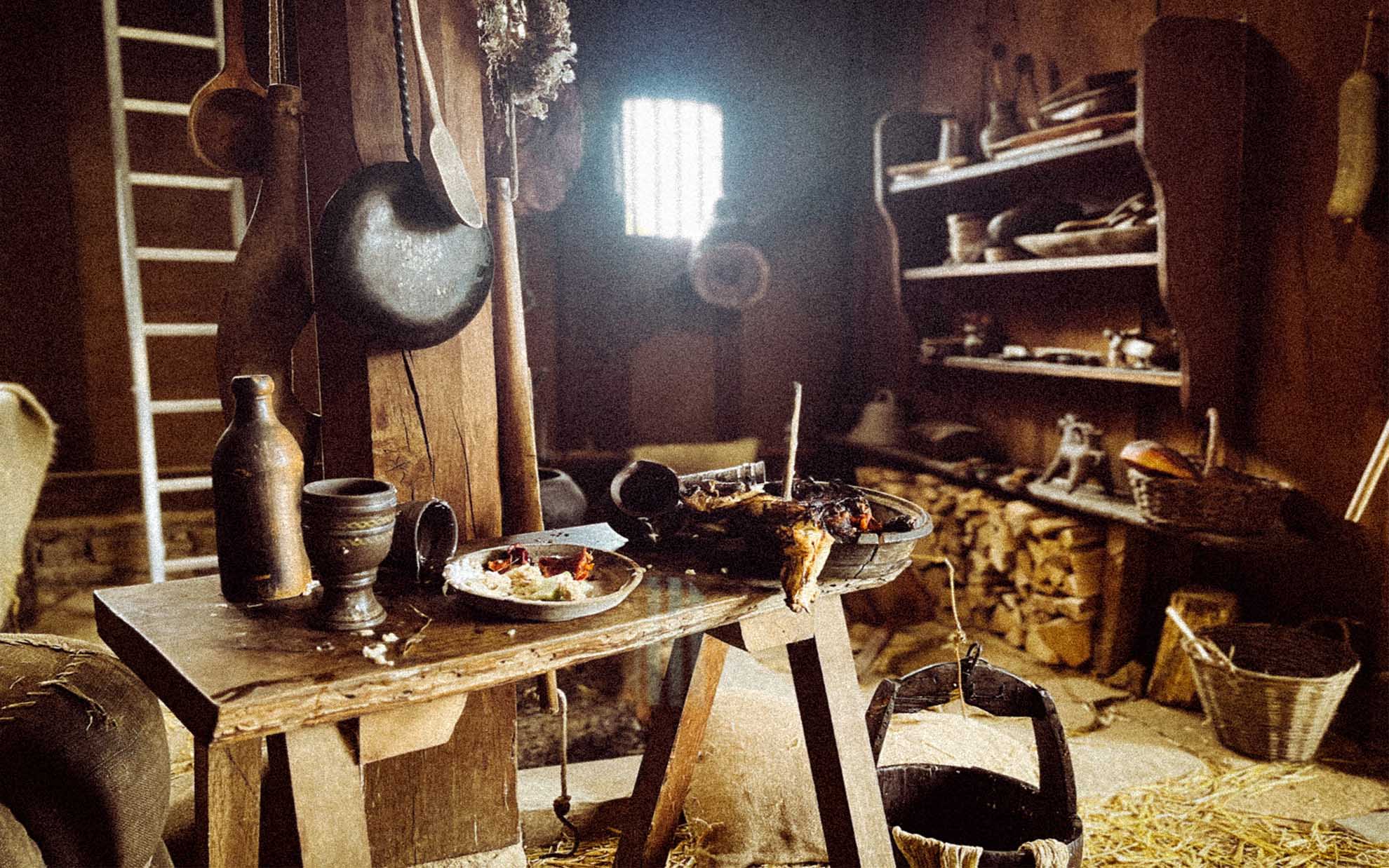
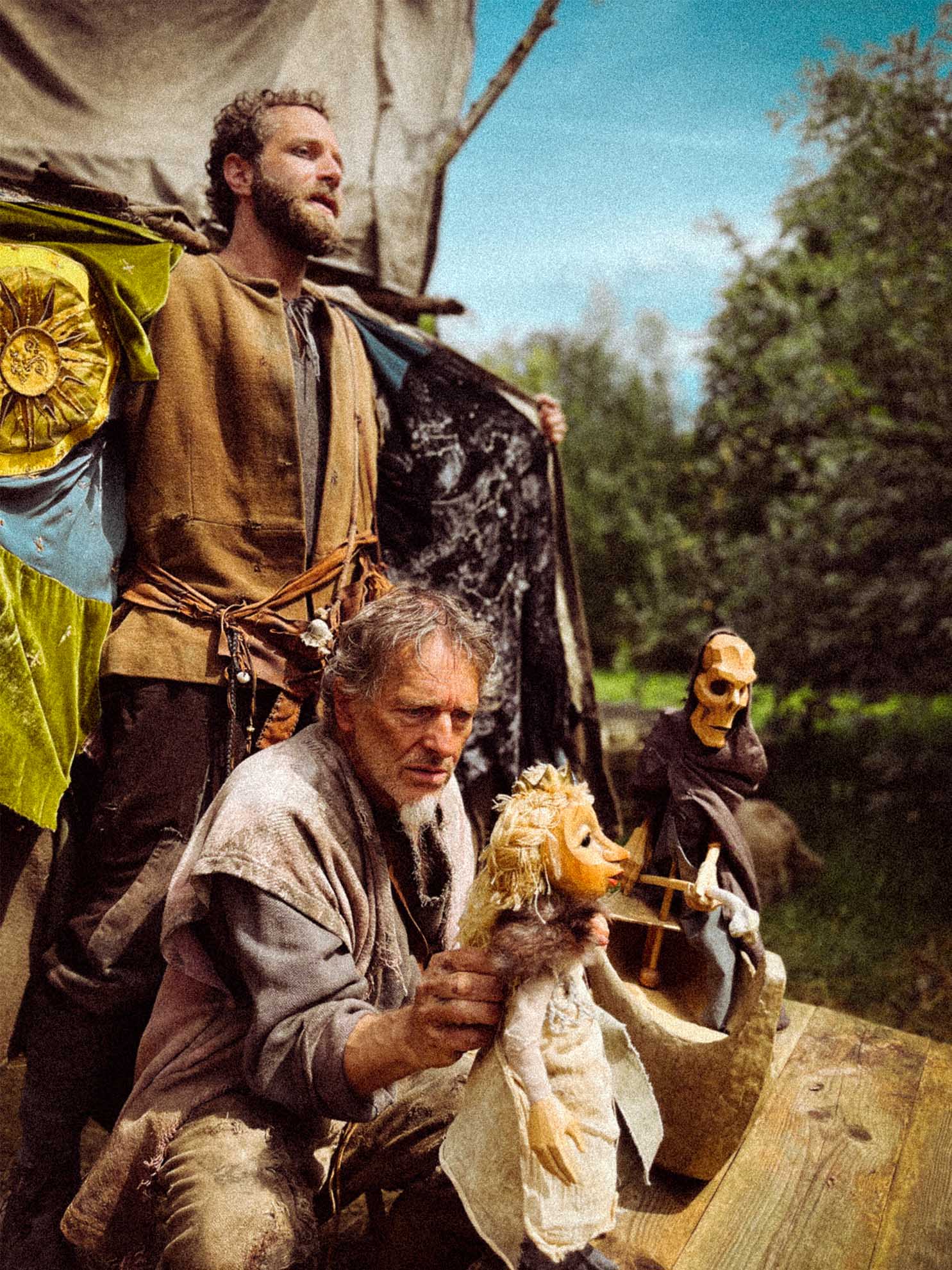
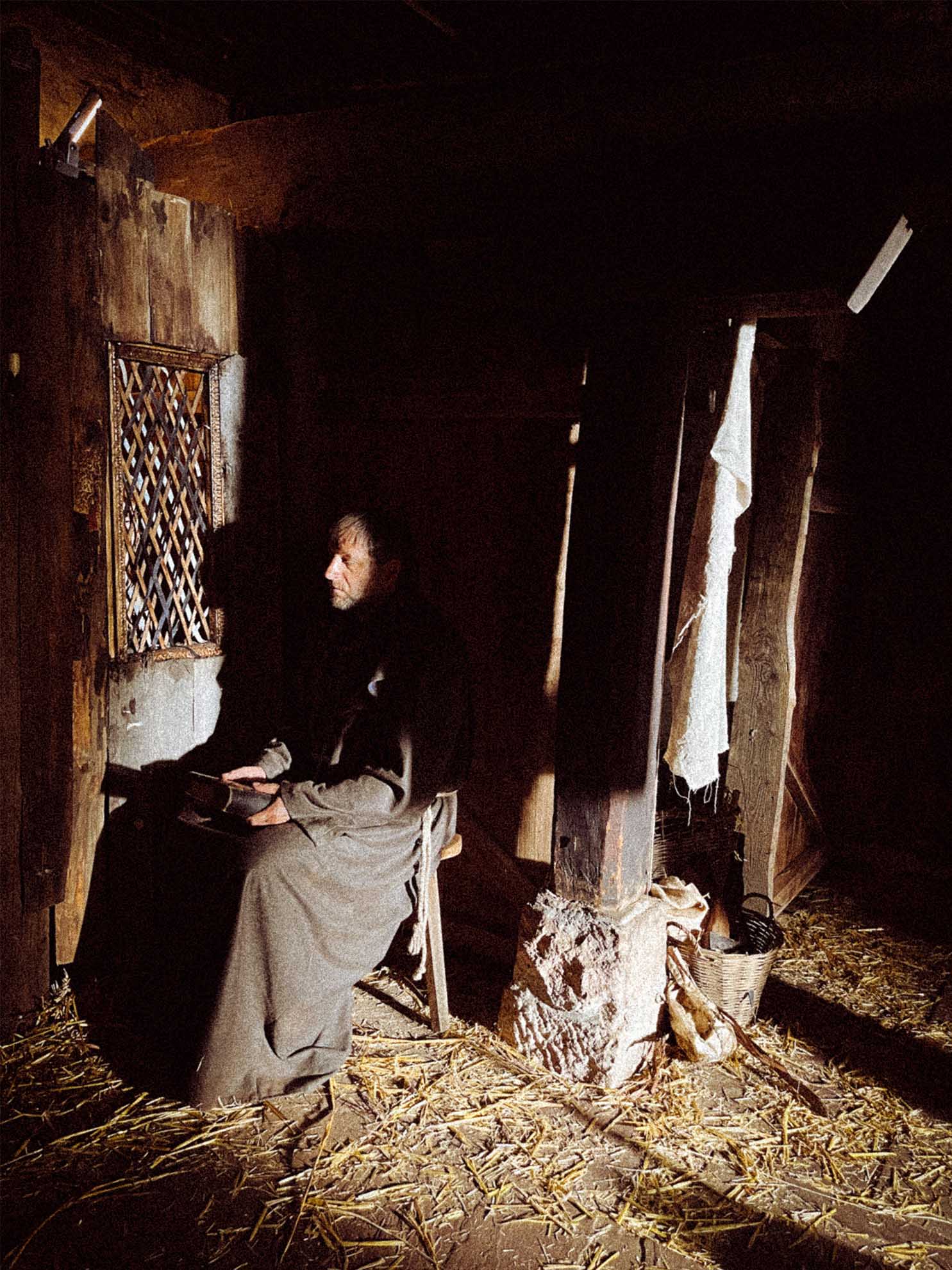
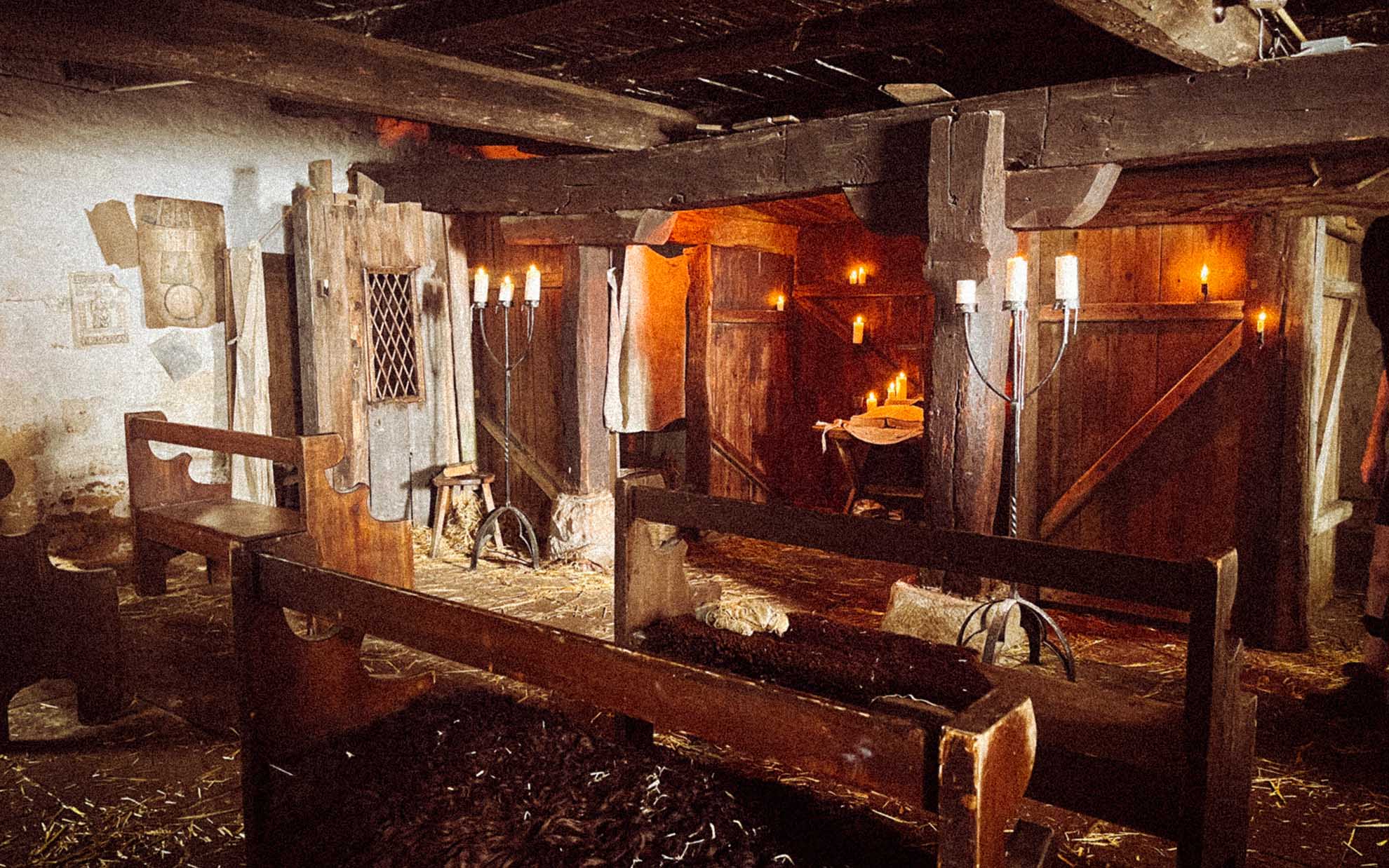
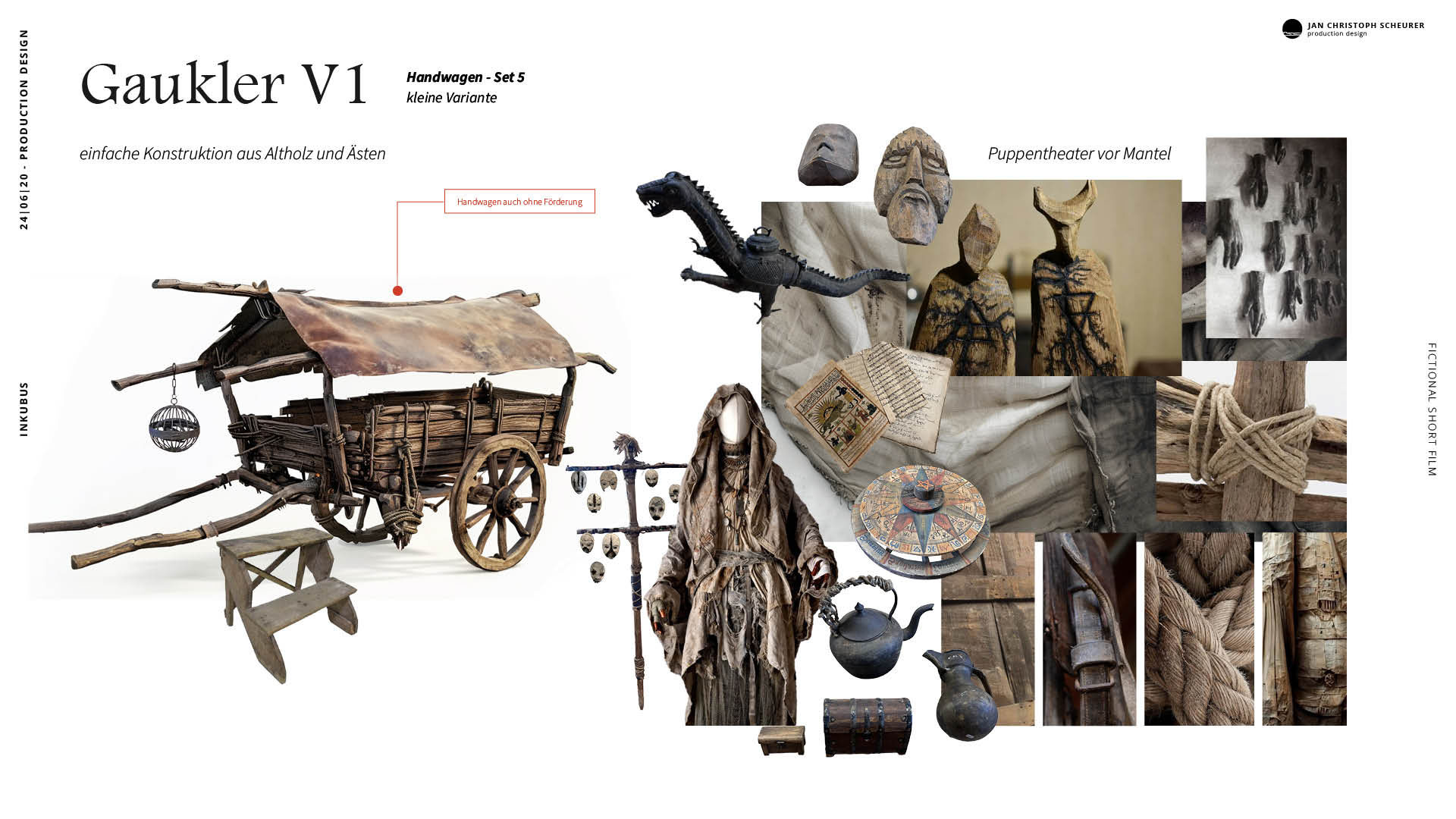
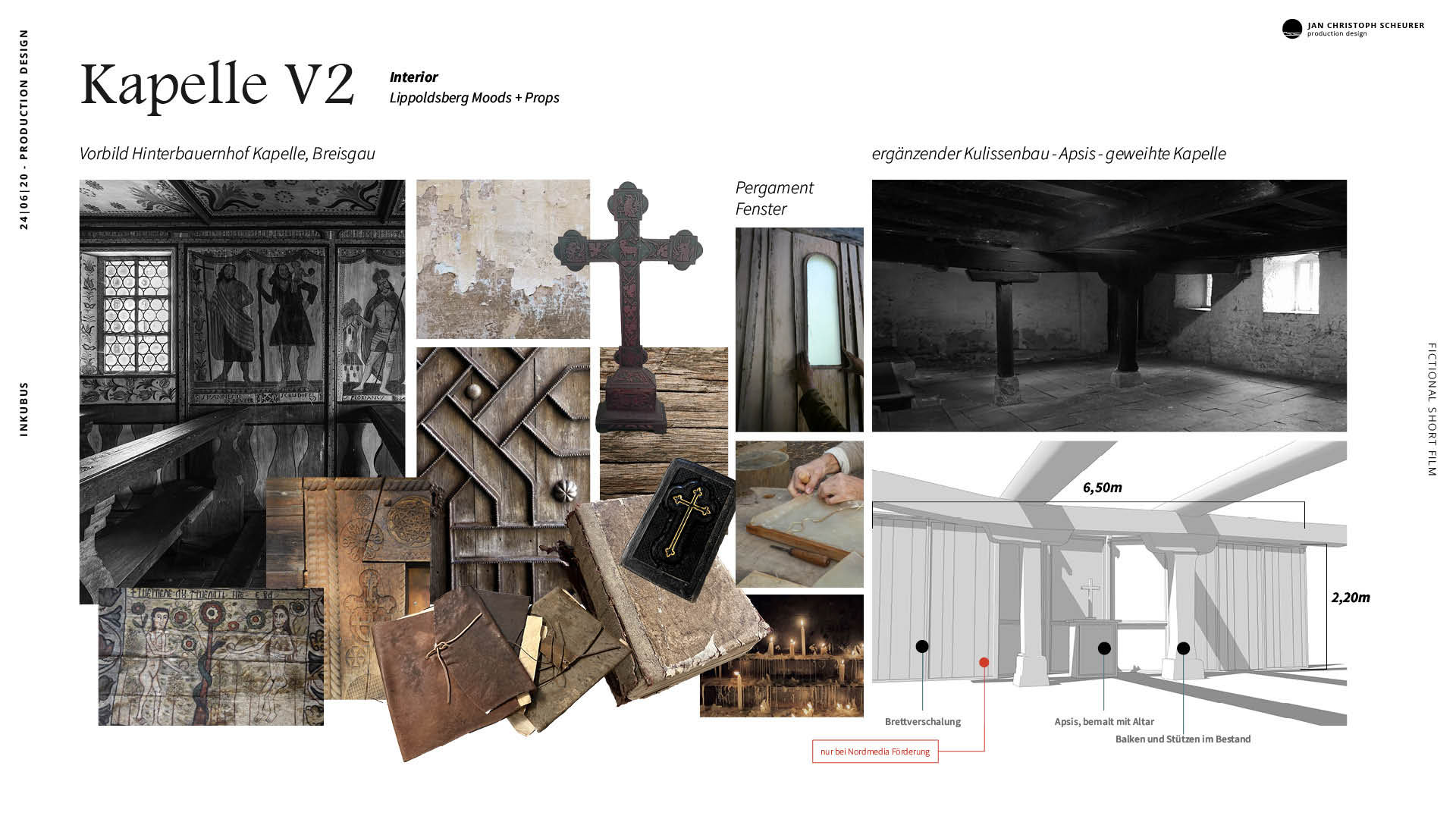
Inside, I designed a soot-darkened, compressed living space where all aspects of life converge under Mechthild’s strict rule—embodied through whip and Bible. In contrast, I built an improvised choir space from recycled wood inside the former refectory of Kloster Lippoldsberg, imagining a raw, fragile church shaped by a wandering preacher.
My aim throughout was to create a spatial and material pressure that mirrors the narrative. This tension ultimately finds release in the final act, when Hildegard burns the farm—transforming the set itself into a site of rupture, where destruction becomes the only form of liberation.
Explore More Work
No Fear
No Fear
Alles gut! – BGV
Alles gut! – BGV
ZDF Magazin Royale – Hotline Ehrenfeld